
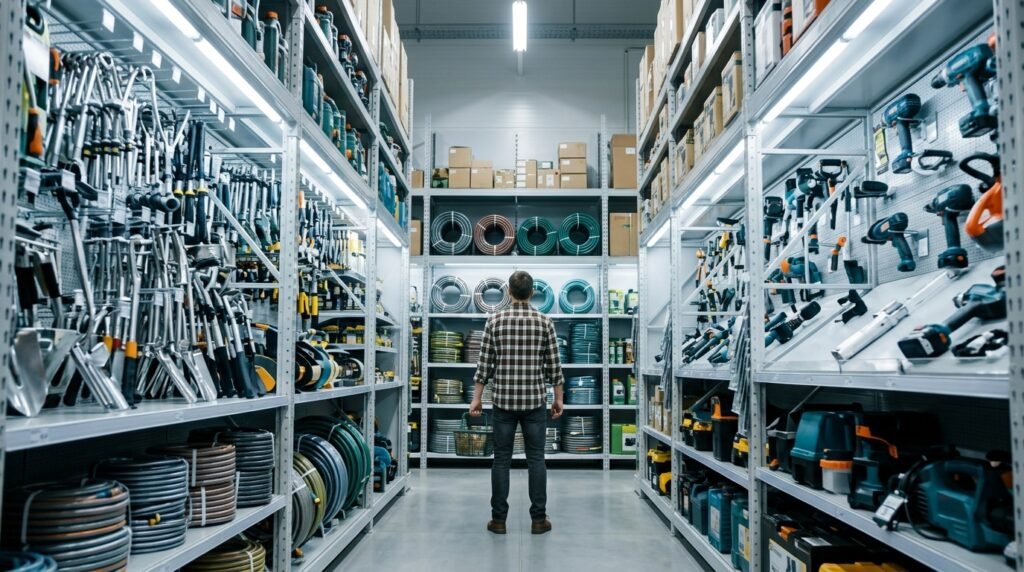
Walking into a massive hardware store to start your first patio farm feels completely overwhelming. You see walls covered in shiny steel equipment and assume you need to spend hundreds of dollars just to plant a single tomato. Finding the best gardening tools for beginners actually requires ignoring about ninety percent of the items on those shelves. You only need a handful of reliable items to get started successfully.
When I first started growing food on my rented Portland balcony, the constant spring rain kept me indoors researching expensive equipment. I eventually realized I was overthinking the entire process and wasting precious growing time. I skipped the massive garden center kits and started my seeds using empty yogurt containers. I bought a cheap eight-dollar hand trowel at a local hardware store and got to work. That basic trowel lasted for years and taught me exactly what a new grower actually needs.
Why the best gardening tools for beginners keep things incredibly simple
Many new apartment farmers fall into the trap of buying specialized equipment they will never use. A long-handled hoe makes perfect sense for a massive backyard plot of corn. That same tool becomes completely useless when you only have a few plastic pots on a tight balcony.
You must match your equipment directly to the actual size of your growing space. Small containers require small and highly maneuverable tools that fit easily into tight corners. Buying massive equipment just clutters your limited storage space and frustrates you during daily chores.
Reading how to start a vegetable garden at home with no experience reminds you that successful growing relies on consistency rather than expensive gear. A practical setup makes your daily watering and pruning tasks feel easy. You want tools that feel comfortable in your hands and actually get the job done quickly.
Avoiding cheap plastic gift sets online
The internet is flooded with cheap matching tool sets packed in flimsy plastic carrying cases. These kits usually feature bright colors and look fantastic in online photos. They also bend and snap in half the very first time you hit a hard piece of potting soil.
Buying one solid metal tool provides far more value than buying ten-piece plastic sets. The best gardening tools for beginners always feature solid construction and comfortable grips. You want to buy items that survive being left out in the rain accidentally.
You do not need a specialized weed puller or a miniature patio rake. A simple hand trowel handles almost every single dirt moving task you will encounter. Sticking to the bare essentials saves your hard-earned cash for buying better seeds and high-quality dirt.
The most essential item among the best gardening tools for beginners
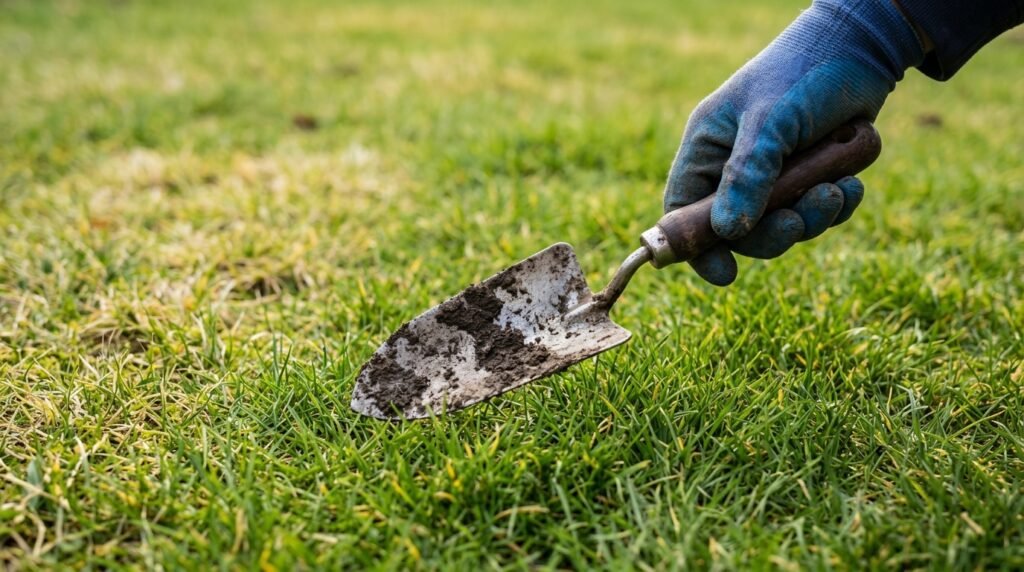
If you only buy a single item this spring, spend your money on a high-quality hand trowel. This acts as the absolute workhorse of any small patio container garden. You will use it to scoop dirt, dig planting holes, and mix organic fertilizers into your pots.
Look for a trowel featuring a single solid piece of metal connecting the blade to the handle. Two-piece designs always snap right at the joint when you apply heavy downward pressure. A solid steel or aluminum trowel will literally last for decades of heavy use.
The experts at The Old Farmer’s Almanac suggest choosing a trowel with a brightly colored handle. Dropping a green-handled tool into a pot of green plants means you will eventually lose it. A bright red or orange grip stands out immediately against the dark potting soil.
Keeping your main tool clean and sharp
Dirt holds onto moisture and causes cheap metal to rust rapidly over the winter season. Taking two seconds to wipe your trowel off on the grass saves the metal from pitting and dulling. A clean tool slices through dense potting soil much easier than a dirty one.
You can keep a small bucket of dry sand mixed with mineral oil in the corner of your patio. Plunging your trowel into this oily sand cleans off the dirt and lubricates the metal simultaneously. This simple habit keeps your gear in perfect condition for next year.
A dull blade makes digging through root-filled pots incredibly difficult and frustrating. You can easily sharpen the edge of your trowel using a basic metal file from the hardware store. A sharp edge cuts cleanly through old roots when you prepare your containers for spring planting.
Finding the best gardening tools for beginners for plant maintenance
You eventually need to cut things off your plants as they grow taller and thicker. Ripping leaves off with your bare hands tears the green tissue and invites serious fungal diseases. You need a dedicated tool to make clean and sharp cuts on your vegetable stems.
A quality pair of bypass pruners solves this problem completely and safely. Bypass pruners work exactly like scissors with two sharp blades crossing over each other. They slice cleanly through thick tomato stems without crushing the fragile inner tissues.
Avoid anvil-style pruners that feature a single blade crushing down onto a flat metal plate. Anvil pruners smash the green stems and leave jagged wounds that take weeks to heal properly. A sharp bypass cut heals rapidly and keeps the plant incredibly healthy.
Maintaining your bypass pruners all summer
Sticky plant sap coats the metal blades of your pruners after just a few cutting sessions. This sticky residue acts like glue and makes the tool incredibly difficult to squeeze open and closed. You must clean the blades regularly to keep the cutting action smooth.
Wipe the metal down with a cloth soaked in rubbing alcohol after every major pruning job. The alcohol dissolves the sticky sap immediately and sterilizes the blades completely. This prevents you from accidentally transferring diseases from a sick pepper plant to a healthy one.
You should also apply a single drop of household oil to the center pivot joint every month. The oil keeps the metal parts moving freely and prevents annoying rust from forming. Good pruners will last a lifetime if you take five minutes to maintain them properly.
Unconventional items that make the best gardening tools for beginners
You do not have to buy everything from a dedicated nursery or hardware store. Some of the absolute best container gardening gear comes straight from your kitchen drawers. Repurposing household items saves you massive amounts of money while solving basic patio problems.
Here is a highly effective and non-obvious tip for checking container moisture levels accurately. Go to your kitchen and grab a plain wooden chopstick from your takeout drawer. Push the dry chopstick deep into your potting soil and pull it back out slowly.
If the dark wood comes up damp and coated in dirt, the plant has plenty of water. If the wood comes out completely clean and dry, you need to grab your watering can immediately. This free wooden stick outperforms expensive electronic moisture meters every single time.
Using kitchen spoons for delicate seedling work
A standard hand trowel often feels far too large for tiny window boxes and small seedling cups. Trying to dig a tiny hole with a wide metal blade usually damages the surrounding roots. A heavy metal kitchen tablespoon offers the perfect size for these delicate jobs.
You can use the spoon to scoop tiny amounts of potting soil directly into your yogurt containers. It also works perfectly for gently lifting fragile seedlings out of their starter pots. Reviewing the easiest vegetables to grow for beginners shows that many fast-growing crops require this gentle touch early on.
Kitchen spoons also help you mix dry organic fertilizers into the top layer of your potting soil. They give you precise control in tight spaces where a large trowel simply cannot fit. You already own this tool, so there is no reason to buy a specialized miniature shovel.
Watering equipment is crucial for the best gardening tools for beginners
Container plants rely entirely on you for their daily drinking water throughout the hot summer. You must deliver that moisture gently without blasting the dirt out of the plastic pots. A harsh stream of water from a kitchen cup exposes fragile roots to the hot sun.
A two-gallon plastic watering can offers the perfect balance of weight and water capacity for a balcony. You want a can with a long and narrow spout to reach past dense foliage and water the dirt directly. It must also include a removable sprinkler head attachment for gentle showers.
Watering small seedlings requires the soft rain effect that a sprinkler head provides. Once the plants grow larger, you can remove the head and pour a direct stream right at the base of the stem. A good watering can gives you total control over the liquid output.
Avoiding the cheap plastic spray bottles
Many beginners buy cheap plastic spray bottles to mist their vegetable leaves daily. This practice actually causes far more harm than good on a hot and humid patio. Wet foliage provides the perfect breeding ground for aggressive fungal spores to take hold.
You should only use a spray bottle to mix up safe soap treatments for annoying insect pests. The team at Gardening Know How recommends using simple trigger bottles for applying targeted pest control. Keep the plant leaves dry during your regular morning watering routine to prevent massive disease outbreaks.
If you want to increase the humidity around your plants, place a shallow tray of water nearby. The water will evaporate naturally and provide ambient humidity without soaking the actual leaves. Save the spray bottle for fighting aphids and spider mites later in the season.
Protective gear ranks among the best gardening tools for beginners
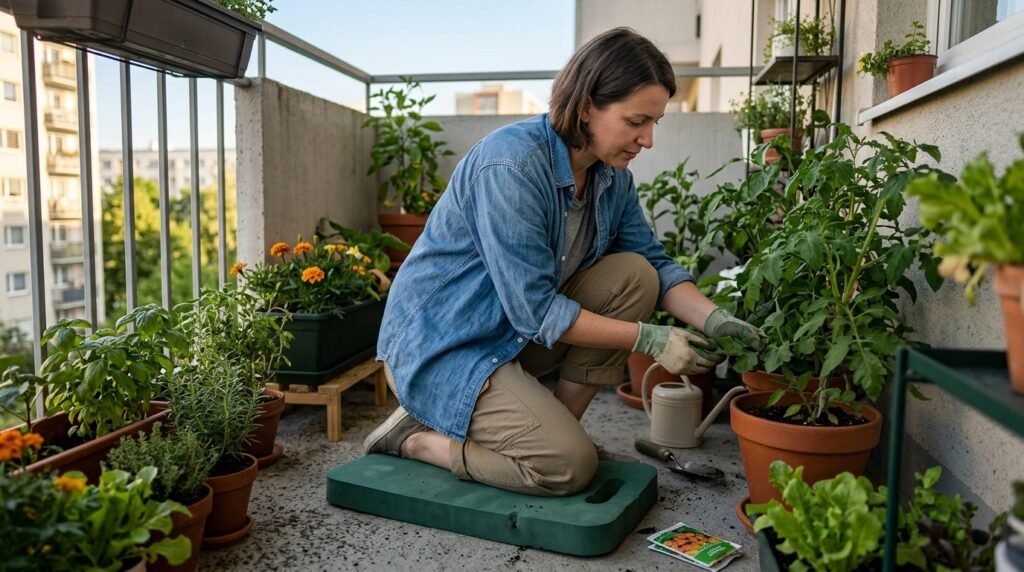
Patio farming sounds like a gentle hobby until you spend three hours kneeling on hard concrete. Your hands quickly dry out from the potting soil and your knees ache from the rigid balcony floor. You need basic protective gear to make your weekend chores actually enjoyable.
A good pair of gloves protects your skin from rough soil and prickly plant stems. You want gloves with a thin and breathable fabric back and a waterproof nitrile coating on the palms. Heavy leather gloves feel far too clumsy for handling tiny seeds and delicate leaves.
The thin nitrile coating gives you plenty of dexterity while keeping your fingers completely dry. You can easily pull tiny weeds from your containers without taking the gloves off. They also wash easily in the sink when they get covered in dark potting mud.
Saving your knees with a thick foam pad
Squatting down to inspect your bottom leaves puts massive strain on your back and leg muscles. You will naturally want to kneel down to get a closer look at your crops. Kneeling directly on rough patio concrete quickly becomes incredibly painful.
Buy a cheap and thick foam kneeling pad from the hardware store garden section. This simple rectangular cushion absorbs your body weight and protects your joints from the hard floor. You will spend far more time observing your plants when you feel comfortable doing it.
You can also use an old folded towel if you do not want to buy a dedicated foam pad. The goal is simply to create a soft barrier between your knees and the harsh apartment balcony. Taking care of your body ensures you will actually want to go outside and tend to your crops.
Where to find the best gardening tools for beginners locally
You do not need to order brand new equipment from expensive online catalogs. Old used tools often feature much better steel and construction than modern cheap alternatives. You just need to know exactly where to look in your local neighborhood.
Check out neighborhood garage sales and local thrift stores on early Saturday mornings. Many people clear out old sheds and practically give away high-quality metal trowels and pruners. A little bit of surface rust easily scrubs off with some basic steel wool and white vinegar.
Learning about 10 beginner gardening mistakes and how to fix them teaches you to stop wasting money on fancy labels. Your plants do not care if your tools look shiny and new. They only care about the quality of the dirt and the consistency of your watering routine.
Building your first patio garden requires patience and a willingness to get your hands dirty. You do not need a shed full of professional farming equipment to grow real food in small spaces. Focus entirely on acquiring a sturdy trowel, a sharp pair of bypass pruners, and a reliable watering can. Grabbing the best gardening tools for beginners ensures your budget goes toward buying better dirt and healthier seeds instead of shiny metal accessories.
Felipe Macedo is a home gardener and food grower based in Portland, Oregon. After killing his first three tomato plants, he became obsessed with figuring out how to grow real food in small spaces — on balconies, in containers, and in raised beds he built himself. At Chatinovax, he shares everything he learned the hard way so you don’t have to.