
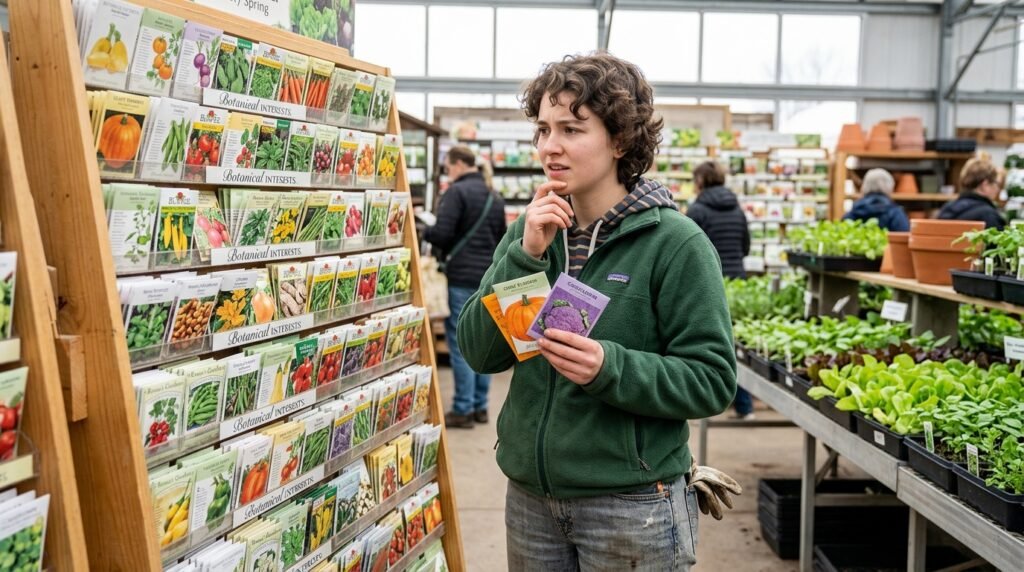
Staring at a seed rack in early spring paralyzes most new gardeners. The colorful packets promise massive harvests of exotic crops you have never even eaten. Buying random seeds without a clear plan usually ends in frustration and dead dirt. You need early success to stay motivated in the garden. Focusing on the easiest vegetables to grow for beginners builds your skills without breaking your spirit.
Five years ago, I stood on my rented Portland balcony with absolutely zero clues. I bought cauliflower and giant pumpkin seeds because the pictures on the packets looked nice. Those plants died miserably in my recycled yogurt containers. I quickly realized I needed crops that actually wanted to live.
Why choosing simple crops matters for your first garden
Starting a container garden takes real energy and time. You have to haul heavy bags of soil up the stairs, buy pots, and figure out your sunlight situation. When you put that much physical effort into setting up a space, you deserve a harvest.
Choosing difficult crops guarantees a steep learning curve. Slicing tomatoes that require constant pruning or melons that demand massive amounts of space will just overwhelm you. The immediate goal is to eat real food from your patio in the first ninety days.
Sticking to simple crops teaches you the basic rhythms of watering and harvesting. You avoid a lot of heartache by reading about 10 beginner gardening mistakes and how to fix them before planting anything. Resilient plants forgive your early watering mistakes while you learn the ropes.
Radishes are the ultimate confidence booster
Nothing beats the sheer speed of a simple radish. You push a seed into the damp dirt and harvest food in less than thirty days. That fast turnaround keeps you engaged and checking your pots daily.
Radishes take up almost no space and have very shallow root systems. You can grow dozens of them in a single window box or a cheap plastic tub. They actually prefer the cooler weather of early spring and late fall.
When people ask me for a recommendation, this is always my top choice. They rank highly among the easiest vegetables to grow for beginners because pest problems rarely have time to develop. You pull them out of the soil before the bugs even find them.
Bush beans provide high yields with low effort
Beans come in two main varieties that behave very differently. Pole beans need tall wooden structures and constant training to climb upward. Bush beans stay completely compact and support themselves perfectly in a regular pot.
You push the large seeds directly into warm soil without any special preparation. They germinate quickly and produce massive amounts of food in a tight space. According to the planting experts at The Old Farmer’s Almanac, bush beans produce their entire crop in just a few short weeks.
You do not have to worry about complex fertilizer routines with beans. They pull nitrogen directly from the air and fix it into the soil. Just keep the dirt moist and wait for the green pods to swell.
Cherry tomatoes offer sweet and productive harvests
Large slicing tomatoes require massive amounts of energy to ripen properly. They are prone to cracking, blossom end rot, and constant pest attacks. Cherry tomatoes completely bypass almost all of these annoying issues.
A single cherry tomato plant will produce hundreds of bite-sized fruits from mid-summer until the first frost. They tolerate imperfect watering much better than their larger cousins. You just need a five-gallon container and some basic organic potting soil.
Many renters assume they cannot grow real tomatoes without a traditional backyard. Learning how to grow tomatoes in containers on a balcony proves that assumption entirely wrong. A sprawling cherry tomato plant makes a perfect centerpiece for a small patio garden.
Leafy greens are the easiest vegetables to grow for beginners
Buying fresh greens at the grocery store costs a small fortune. They often wilt in the crisper drawer before you can even eat them. Growing your own solves the food waste problem completely.
You harvest leafy greens using a simple cut-and-come-again method. You snip the outer leaves with scissors and leave the center stalk intact. The plant just keeps growing new food for months.
This category provides the fastest return on your initial soil investment. Greens thrive in shallow pots and do not require full blasting sunlight. They are truly some of the easiest vegetables to grow for beginners with shady, north-facing balconies.
Swiss chard survives extreme temperature swings
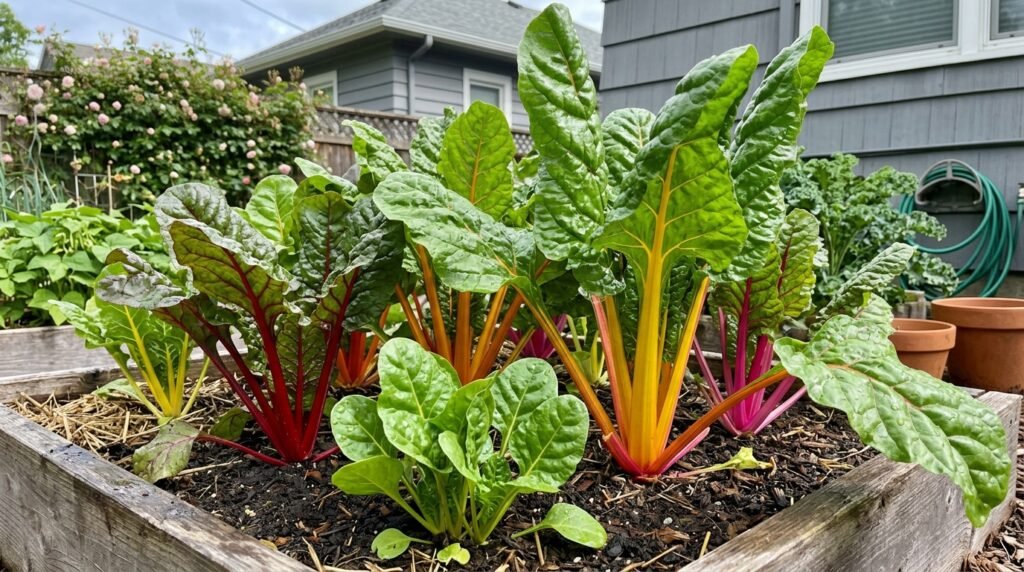
Spinach is incredibly popular but it bolts and turns bitter the second the weather gets warm. Swiss chard acts like armor-plated spinach. It handles weird temperature spikes perfectly without dying off.
Here in Portland, our early summers swing from cold rain to blistering heat in the same exact week. My Swiss chard never seems to care about the shifting weather. It just keeps pushing up bright, colorful stalks and massive green leaves.
You can eat the young leaves raw in salads when they are small. The larger leaves cook down beautifully like kale or mature spinach. One packet of seeds gives you enough chard to last the entire growing season.
Loose-leaf lettuce grows fast and flexibly
Head lettuce like iceberg takes months to form and often rots at the base. Loose-leaf lettuce varieties are much smarter for small container spaces. You just scatter the tiny seeds over the dirt and lightly press them in.
They sprout in days and create a dense, beautiful carpet of edible leaves. You simply give the pot a quick haircut when you want a fresh salad. Understanding how to grow lettuce indoors all year round means you never have to buy plastic clamshells of sad lettuce again.
You can grow lettuce in the shade of taller plants like tomatoes or peppers. It acts as a living mulch to keep the soil cool and moist during July and August.
Zucchini is the notorious over-producer
Gardeners constantly joke about leaving unwanted zucchini on their neighbors’ porches. The jokes exist strictly because the plant is incredibly eager to produce. One healthy squash plant will easily feed a family of four.
You do need a slightly larger container for zucchini to thrive. A ten-gallon fabric grow bag works perfectly for the massive root system. The giant green leaves shade the pot and reduce the amount of watering you have to do.
They are definitely the easiest vegetables to grow for beginners who want heavy, filling harvests. Just remember to check under the giant leaves every single day. A tiny squash turns into a heavy baseball bat practically overnight.
Root crops rank highly among the easiest vegetables to grow for beginners
Growing food underground seems mysterious until you actually try it. Root crops require very little attention above the surface. You just need to provide loose, well-draining soil so the roots can expand easily.
Do not use heavy backyard garden dirt for these crops. The dense clay will stop the vegetables from forming properly and cause them to rot. A basic bagged potting mix with plenty of perlite keeps the dirt light and fluffy.
These hidden gems are often the easiest vegetables to grow for beginners because pests rarely find them. You just water the soil consistently and wait for the green tops to signal the harvest.
Garlic is a low maintenance winter crop
Most familiar vegetables grow rapidly during the warm summer months. Garlic operates on a completely different and slower schedule. You plant the cloves in the fall and ignore them all winter long.
Push individual cloves into the dirt about two inches deep before the ground freezes solid. The cold weather actually triggers the clove to split and form a full bulb. According to the growing guides at Bonnie Plants, fall planting yields significantly larger bulbs than spring planting.
Garlic takes almost no space in a patio container. You can tuck single cloves around the edges of your raised beds or larger pots. Come July, you pull up spicy, fresh bulbs that taste nothing like the dry grocery store version.
Green onions thrive in shallow containers
Scallions or green onions have tiny, shallow root systems. You can grow them in standard pots that are only four inches deep. This makes them perfect for cramped window sills or tiny apartment balconies.
You do not even need to buy seeds to start this crop. Buy a bunch of organic green onions from the grocery store and chop off the green parts to eat. Shove the white root ends directly into a small pot of dirt.
They will regrow new green shoots in just a few days. You can repeat this cutting process several times from the exact same root base. It is a fantastic trick for the easiest vegetables to grow for beginners on a tight budget.
Simple routines ensure healthy plants
Choosing the right crops gets you halfway to a successful harvest. You still have to keep the plants alive through the hot summer. Simple plants demand simple, consistent maintenance routines.
Consistency matters much more than buying expensive organic fertilizers. Check your plants at the exact same time every day. A quick visual inspection stops small bug problems from becoming total garden disasters.
Here is a non-obvious watering tip that saves countless potted plants. Stop looking at the top layer of dirt to decide if you need to add water. Pick up the container with both hands. If the pot feels light, it needs water immediately. If it feels heavy, walk away. You judge the moisture level entirely by weight, not by sight.
Harvest early to get more food
Beginners often leave ripe vegetables on the plant way too long. They want them to get bigger for a proud photograph. This is a massive mistake that hurts your overall yield.
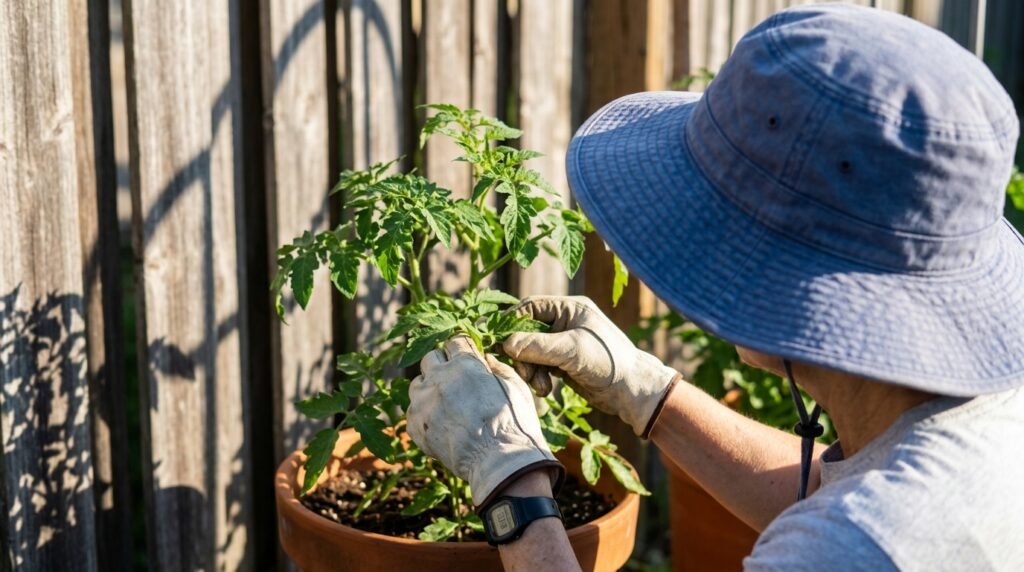
A plant stops producing new flowers once its seeds mature. Picking your beans, zucchini, and cucumbers while they are small and tender forces the plant to keep working. Frequent harvesting guarantees a much larger total volume of food.
Daily picking is the most enjoyable part of the entire gardening process anyway. It keeps you deeply connected to your patio garden space. You actually get to taste the immediate rewards of your daily labor.
You do not need a traditional farm to grow real food at home. Grab a fabric grow bag, buy a bag of good potting soil, and pick up some seeds this weekend. Start with just two or three pots and focus on building basic watering habits. Following a simple list of the easiest vegetables to grow for beginners guarantees you will taste real success in your very first season.
Felipe Macedo is a home gardener and food grower based in Portland, Oregon. After killing his first three tomato plants, he became obsessed with figuring out how to grow real food in small spaces — on balconies, in containers, and in raised beds he built himself. At Chatinovax, he shares everything he learned the hard way so you don’t have to.