
Every new gardener kills a few plants during their first season. You bring home a healthy tomato seedling, put it in a beautiful pot, and watch it slowly wither over a month. This cycle frustrates people into quitting before they ever harvest a single vegetable. Recognizing common beginner gardening mistakes saves you time, money, and unnecessary heartache.
You can fix most of these issues with a few simple adjustments to your daily routine. Growing food on a concrete patio requires a different approach than planting in a traditional backyard. Container plants rely entirely on you for their survival and daily care.
I started my own journey with washed-out yogurt containers and an eight-dollar hand trowel. I made every possible error during that first summer on my apartment balcony. Learning how to correct those missteps turned my barren patio into a highly productive space.
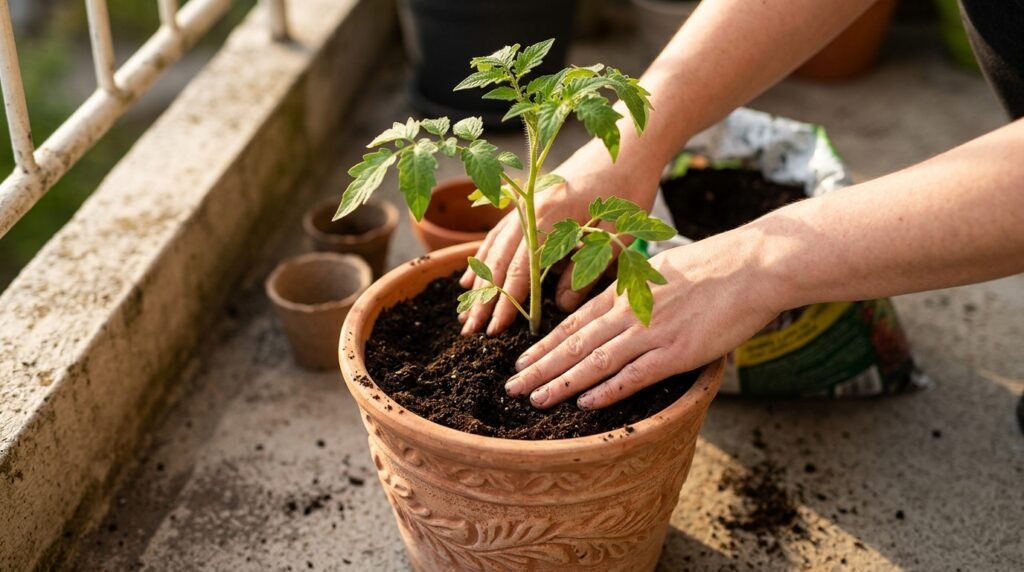
Identifying beginner gardening mistakes starts with spacing
New growers naturally want a massive harvest right away. They cram six pepper plants into one small bucket to maximize their yield. This creates a ruthless competition for water, nutrients, and physical space in the dirt.
The roots tangle together and suffocate within a few short weeks. Overcrowded plants also block airflow between their leaves. Poor airflow invites serious fungal diseases that can wipe out your entire crop overnight.
Read the back of the seed packet or the nursery tag carefully. If the tag says the plant needs a two-foot gap, measure it out strictly. Giving your plants room to breathe actually increases your overall food yield.
Understanding how to plan a small vegetable garden layout for beginners prevents this tangled mess. Respecting the mature size of the plant guarantees a much healthier root system.
Using ground dirt in patio containers
I made this exact error during my first year growing food. I dug heavy clay out of a random Portland yard and hauled it up to my balcony in a plastic bucket. The soil dried into a solid brick and my young plants stopped growing completely.
Ground soil relies on earthworms and complex underground ecosystems to stay loose. When you confine that dirt to a pot, it compacts and suffocates your plants. Container roots need oxygen just as much as they need water.
Always buy a dedicated organic potting mix for your containers. Good potting soil contains perlite or pumice to keep the dirt fluffy and aerated. Sourcing the best soil mix for a raised bed vegetable garden solves ninety percent of your drainage problems.
Watering on a strict calendar schedule
Plants do not care what day of the week it is. Watering every morning just because it fits your routine usually drowns the root system. Overwatering remains one of the most deadly beginner gardening mistakes you can make.
The weather actually dictates how much water your pots need. A cool, cloudy day means your soil will stay damp much longer. A windy, hot afternoon might require you to water your fabric bags twice in one day.
Use your index finger as your personal moisture meter. Push it two inches into the dirt. If it feels wet and sticks to your skin, walk away without adding a drop. If it feels dusty, water the container deeply until liquid runs out the bottom.
Misjudging the sunlight is a classic beginner gardening mistakes
We tend to look at a patio at noon and declare it a full-sun environment. You need to know exactly how many hours of direct light actually hit the leaves. Ambient brightness does not produce heavy crops like zucchini or cucumbers.
Go outside three times on your next day off to track the light. Note where the shadows fall in the morning, afternoon, and early evening. This mapping process shows you exactly where to place your most demanding crops.
According to the planting experts at The Old Farmer’s Almanac, fruiting vegetables require at least six hours of direct sun daily. If your balcony only gets four hours, you must adjust your expectations. Stick to leafy greens and herbs that tolerate the shade.
Buying fussy crops too early
Garden centers sell tricky plants like cauliflower right alongside simple radishes. New growers grab whatever looks interesting without researching the care requirements. This leads to massive disappointment when the complex plants fail.
Focus strictly on crops that actually want to survive a harsh patio environment. Radishes, bush beans, and cherry tomatoes forgive early watering errors. They produce food quickly and build your confidence for the next season.
Reading up on the easiest vegetables to grow for beginners sets you up for guaranteed early wins. You can always try growing giant pumpkins or finicky melons once you master the basics.
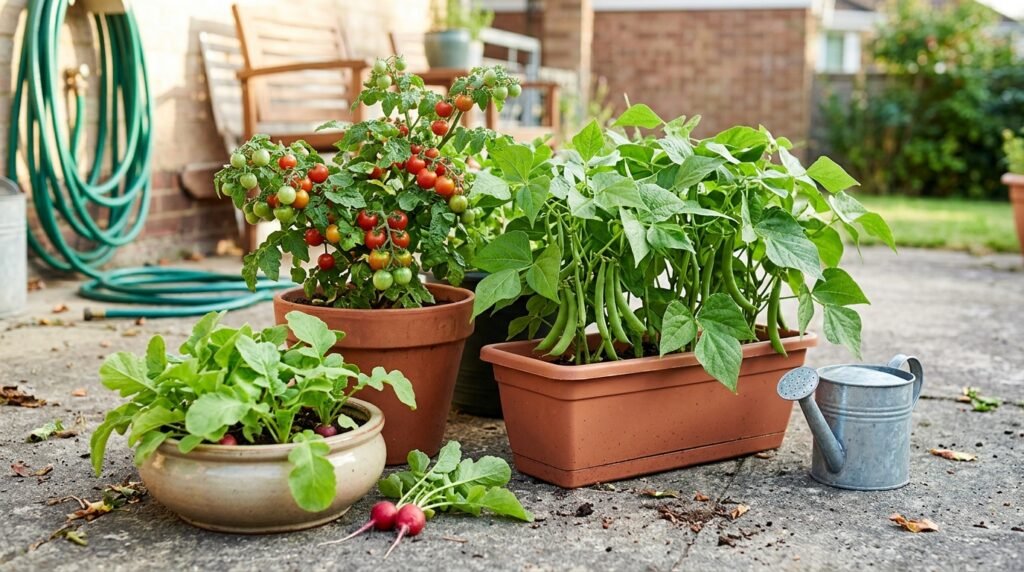
Starting way too big in your first season
You watch a few gardening videos and suddenly want to convert your entire balcony into a farm. Managing twenty different pots requires serious daily physical labor. The maintenance quickly feels like a stressful second job.
Limit yourself to three or four containers for your first summer. Learn the basic rhythms of watering, feeding, and checking for bugs. A small setup allows you to observe how plants actually behave.
You will make fewer beginner gardening mistakes when your attention is not divided across thirty different plants. You can always expand your setup next spring once you build a solid routine.
More beginner gardening mistakes involve container size
Using tiny, decorative pots stunts the growth of heavy-feeding vegetables. A large tomato plant simply cannot survive in a one-gallon bucket. The roots hit the plastic walls and begin circling until the plant starves to death.
Buy five-gallon fabric grow bags for almost all your fruiting crops. They cost very little and provide excellent drainage on a concrete slab. The fabric stops the roots from circling and encourages healthy downward growth.
Large pots also hold moisture significantly longer than small pots. This gives you a much larger margin for error if you forget to water for a day. Giving the roots enough space to expand guarantees a heavier harvest.
Assuming the dirt has endless food
Ground soil constantly replenishes its nutrients through decaying organic matter. A container is a closed system that relies entirely on you for food. Every time you water your pots, essential nutrients wash out the bottom drainage holes.
The fertilizer mixed into bagged potting soil usually washes away after thirty days. You must start a regular feeding schedule to keep your plants producing flowers. Starving plants attract pests and succumb to diseases very quickly.
Buy a simple liquid organic fertilizer designed for vegetables. Feed your plants every two weeks throughout the entire growing season. Regular meals keep the plants strong enough to fight off harsh summer heatwaves.
Ignoring the brutal impact of wind exposure
Balconies deal with intense wind tunnels that ground-level gardens never face. High winds snap delicate stems and suck moisture directly out of the leaves. Many people mistake wind damage for a lack of watering.
Here is a non-obvious tip that saves young plants from wind destruction. Push your heaviest pots directly against the exterior wall of your building to create a microclimate. The wall blocks the wind and radiates heat back onto the plants overnight.
You also need to secure your taller plants early in the season. Tie your tomatoes and peppers to sturdy bamboo stakes using soft twine. Check these ties weekly to ensure the stems do not snap during a sudden storm.
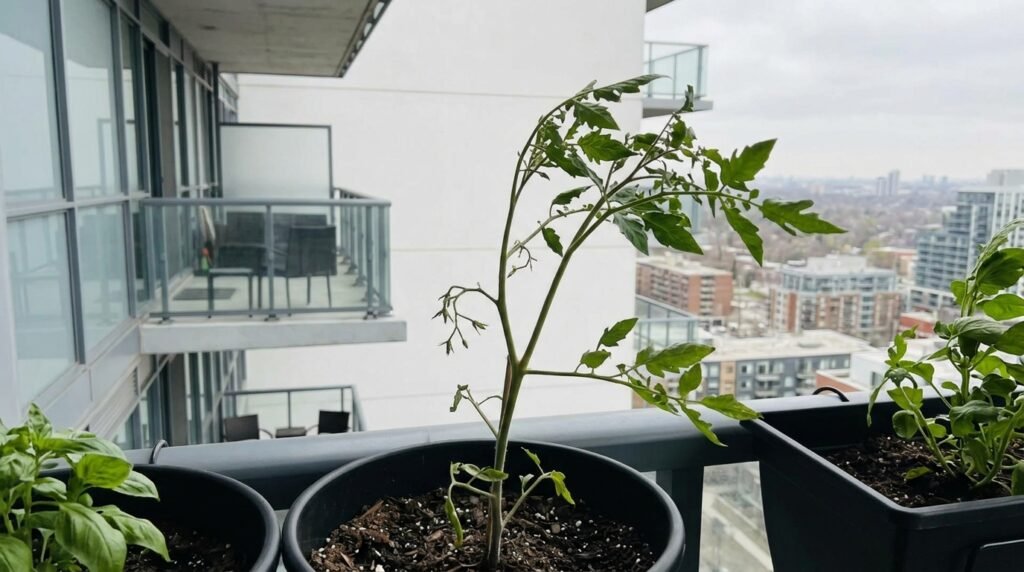
Panicking over bugs ranks among top beginner gardening mistakes
Seeing a single bug on a leaf sends many new growers into an absolute panic. They buy harsh chemical sprays and drench their entire patio. This destroys the fragile ecosystem you are trying to build.
Broad-spectrum pesticides kill the beneficial insects that actually manage pest populations. If you kill all the ladybugs, the aphids will multiply completely unchecked. You have to give the good bugs time to arrive and do their jobs.
Accept that a completely sterile garden does not exist outside of a laboratory. The researchers at Gardening Know How recommend using a simple, sharp spray of water from a hose to knock off most pests. Squish caterpillars by hand and let nature handle the rest.
Growing food takes practice and a willingness to observe your surroundings closely. Every dead plant teaches you a specific lesson about your unique patio microclimate. You build institutional knowledge simply by paying attention to what works and what fails.
Correcting these beginner gardening mistakes simply requires patience and a little bit of daily attention. Stop comparing your messy balcony to perfectly staged photos online. Grab a fabric pot, fill it with good dirt, and try planting something new this weekend.
Felipe Macedo is a home gardener and food grower based in Portland, Oregon. After killing his first three tomato plants, he became obsessed with figuring out how to grow real food in small spaces — on balconies, in containers, and in raised beds he built himself. At Chatinovax, he shares everything he learned the hard way so you don’t have to.