
Most beginners plant one single tomato in a massive pot and waste an incredible amount of bare dirt. I made this exact mistake during my first summer trying to grow food on my apartment balcony. I filled my new wooden boxes with premium dirt but left huge gaps between every single seedling. Learning the basic rules of companion planting changed my entire approach to small space gardening.
I started my patio farm with recycled yogurt containers and my basic eight dollar trowel. I quickly realized that putting certain plants together actually helps them grow much stronger and faster. You can literally double your harvest simply by mixing the right seeds in the same container. Nature never grows just one type of plant in a straight line surrounded by bare earth.
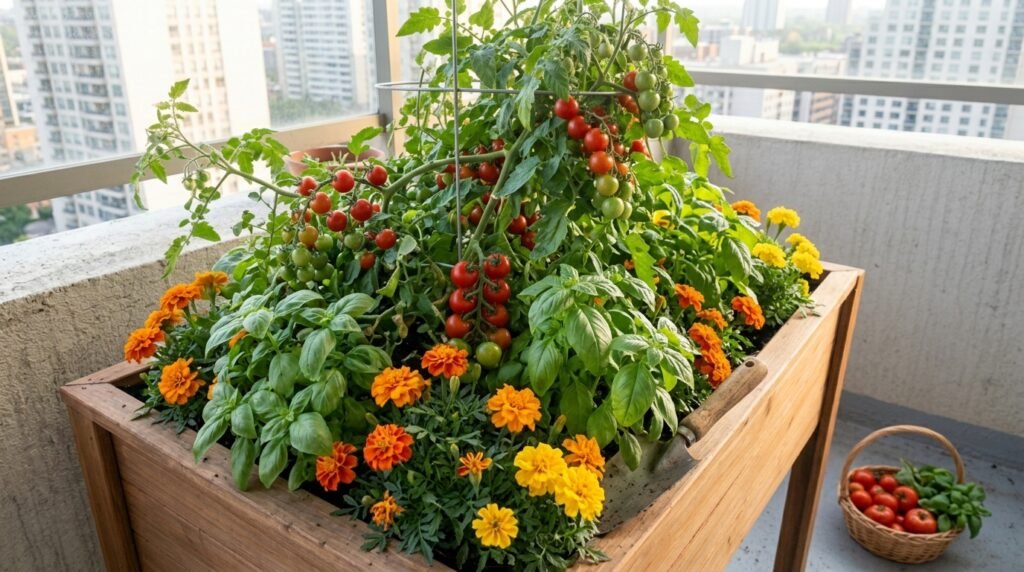
Why companion planting saves your limited patio space
Space remains your absolute most valuable resource when you rent an apartment with a tiny balcony. You cannot afford to leave bare soil sitting exposed to the hot summer sun for months. When you practice companion planting, you layer different crops in the exact same physical footprint. Fast growing crops fill the empty gaps while slow growing crops establish their deep roots.
Here in Portland, the unpredictable spring rain washes the topsoil away if you leave it completely bare. Ground cover plants act as a living mulch that protects the dirt from heavy downpours. They also block the sun from reaching annoying weed seeds hidden deep in the potting mix. You spend significantly less time pulling weeds and watering empty soil on your weekends.
Reading about how to start a vegetable garden at home with no experience proves that maximizing your container volume is crucial. Stacking your plants correctly allows you to harvest massive amounts of food from a single plastic tub.
Mixing shallow and deep root systems together
Plants only fight each other if they need the exact same resources at the same soil depth. A deep carrot pushes straight down into the bottom of your plastic bucket. A shallow head of lettuce spreads its roots right across the top two inches of dirt. These two plants make perfect neighbors because they ignore each other completely underground.
You can plant a tight ring of radishes around the base of a tall pepper plant. The radishes finish growing and get pulled out long before the pepper needs that extra space. This clever overlapping technique guarantees you always have something fresh to eat from your patio.
A non-obvious trick for companion planting with heavy feeders
Beginners often group all their heavy producing plants into one single container to save space. Putting a tomato, a pepper, and a squash in the same pot creates a massive nutrient war. The plants will stunt each other completely and refuse to produce any actual food. You must pair a hungry plant with a light eater to keep the peace in your dirt.
Here is a highly effective trick most people ignore entirely when setting up their summer pots. Plant bush beans directly at the base of your heaviest feeding summer vegetable crops. Beans actually pull nitrogen gas out of the air and fix it directly into the soil.
They act as a free fertilizer factory for your hungry tomatoes sitting right next to them. This biological process reduces your need for expensive liquid plant foods. Your heavy feeders get a steady supply of natural nitrogen exactly when they need it most.
Using shade to your advantage in the summer
Tall climbing plants naturally create dark shadows that move across your balcony floor all afternoon. You can use these moving shadows to protect fragile plants from the brutal afternoon heat. Spinach and arugula bolt and turn incredibly bitter the second the potting soil gets too hot.
Planting these delicate greens directly behind a massive tomato plant provides the perfect natural sunblock. The tall tomato blocks the harsh rays while the greens keep the soil cool and moist. The vegetable experts at Gardening Know How highly recommend this specific shading strategy for small spaces.
How companion planting repels patio pests naturally
Insects find your vegetables by flying around and looking for familiar chemical smells in the air. A massive pot filled exclusively with cabbage acts like a giant beacon for hungry cabbage moths. You want to confuse these pests by mixing strong smells directly into your food crops.
Planting pungent garlic and sharp onions next to your vulnerable greens creates a powerful odor barrier. The sharp scent hides the sweet smell of the vegetable leaves completely from flying insects. The pests simply fly past your balcony looking for an easier meal in a different apartment.
Applying smart companion planting principles means you rely on basic biology instead of harsh chemical sprays. Understanding how to use raised beds to maximize a small backyard garden requires you to think about these natural defenses. A diverse pot defends itself automatically without requiring your constant daily supervision.
Attracting the right bugs to your balcony
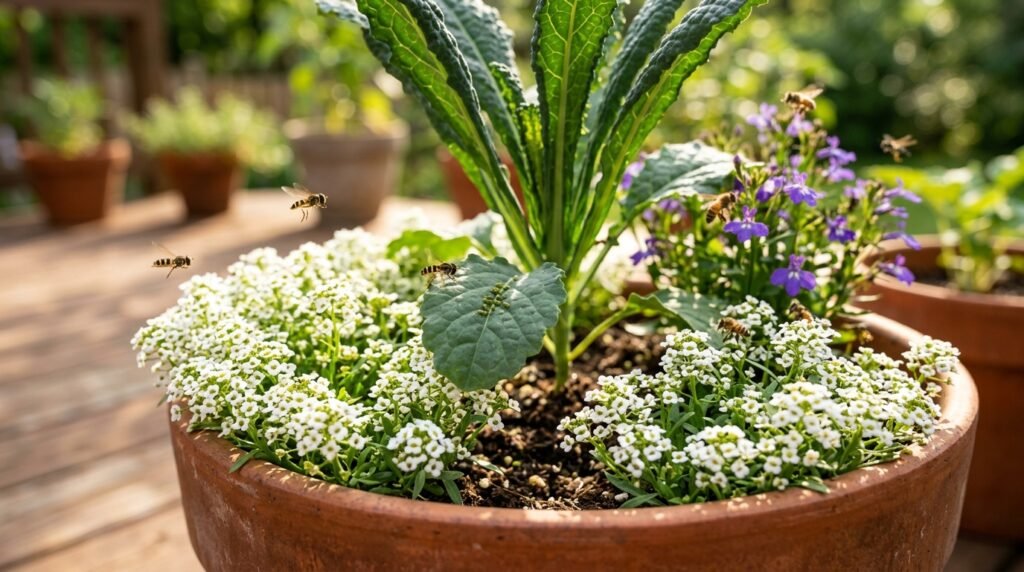
You actually want certain flying insects to visit your patio every single morning during the summer. Bees and tiny wasps pollinate your flowers and eat the annoying green aphids destroying your kale. Adding simple flowers to your vegetable pots invites these helpful predators to stick around permanently.
Sweet alyssum grows into a tiny white carpet that fits perfectly around the edges of a container. It attracts hundreds of beneficial hoverflies that actively hunt down destructive garden pests. A few cheap flower seeds can easily save your entire summer harvest from total bug ruin.
Classic combinations for companion planting success
Some plant pairings work so perfectly together that traditional gardeners have used them for centuries. The combination of basil and tomatoes stands out as the absolute best pair for a balcony. The basil masks the scent of the tomato hornworm and naturally improves the flavor of the red fruit.
Carrots and onions also make fantastic neighbors when planted together in a deep wooden box. The onion smell drives away the dreaded carrot rust fly from your vulnerable orange roots. The carrots break up the dense soil and make room for the onion bulbs to swell easily.
You get two completely different harvests from the exact same square foot of expensive dirt. Consulting a reliable companion planting guide from The Old Farmer’s Almanac gives you dozens of proven combinations to try.
The ancient Three Sisters growing method
Native American farmers perfected a brilliant growing system using corn, climbing beans, and winter squash. The tall corn stalks act as a living wooden trellis for the heavy bean vines to climb. The beans pull pure nitrogen from the air to feed the incredibly hungry corn stalks.
The squash plants spread massive prickly leaves across the ground to block weeds and trap moisture. You can adapt this exact method for a large patio tub using sweet corn and compact bush squash. It creates a complete and self-sustaining ecosystem inside a simple plastic container.
Mistakes to avoid when companion planting in pots
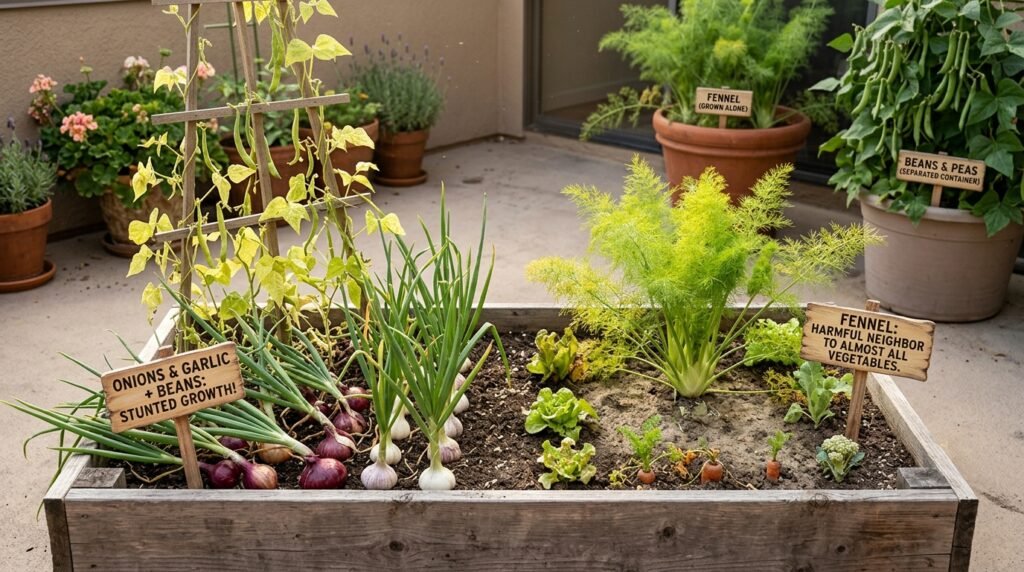
Not all plants get along when you force them to share a tiny amount of dirt. Putting the wrong neighbors together will stunt your crops and ruin your harvest completely. Members of the onion family should never grow anywhere near peas or climbing green beans.
The chemical compounds in garlic and onions actually stop the beans from fixing nitrogen properly. Keep these incompatible families in completely separate containers on opposite sides of your patio. Fennel also acts as a terrible neighbor to almost every single vegetable in existence.
Fennel releases a specific chemical into the dirt that severely stunts the growth of surrounding plants. Grow fennel alone in its own dedicated pot to avoid poisoning your expensive potting soil. Finding the best soil mix for a raised bed vegetable garden will not save you if you plant toxic neighbors together.
Containing the most aggressive spreaders
Certain herbs grow so incredibly fast they will completely choke out your delicate vegetable seedlings. Mint spreads via aggressive underground runners that take over an entire wooden box in just weeks. It will literally strangle a young tomato plant fighting for water and root space.
You must isolate mint in a small plastic pot to contain its wild root system safely. You can then bury that small plastic pot directly into your larger raised bed dirt. The plastic walls trap the runners while allowing the mint to grow alongside your other crops.
Getting the absolute most food out of a cramped apartment balcony requires smart planning and observation. You cannot afford to waste premium potting soil by leaving it empty and exposed to the elements. Mixing different root depths and plant heights allows you to stack your harvest vertically and horizontally. Proper companion planting changes your patio from a collection of random pots into a highly productive ecosystem. Grab your hand trowel and start mixing those seed packets together this weekend. You will harvest significantly more fresh food while doing a fraction of the actual daily work.
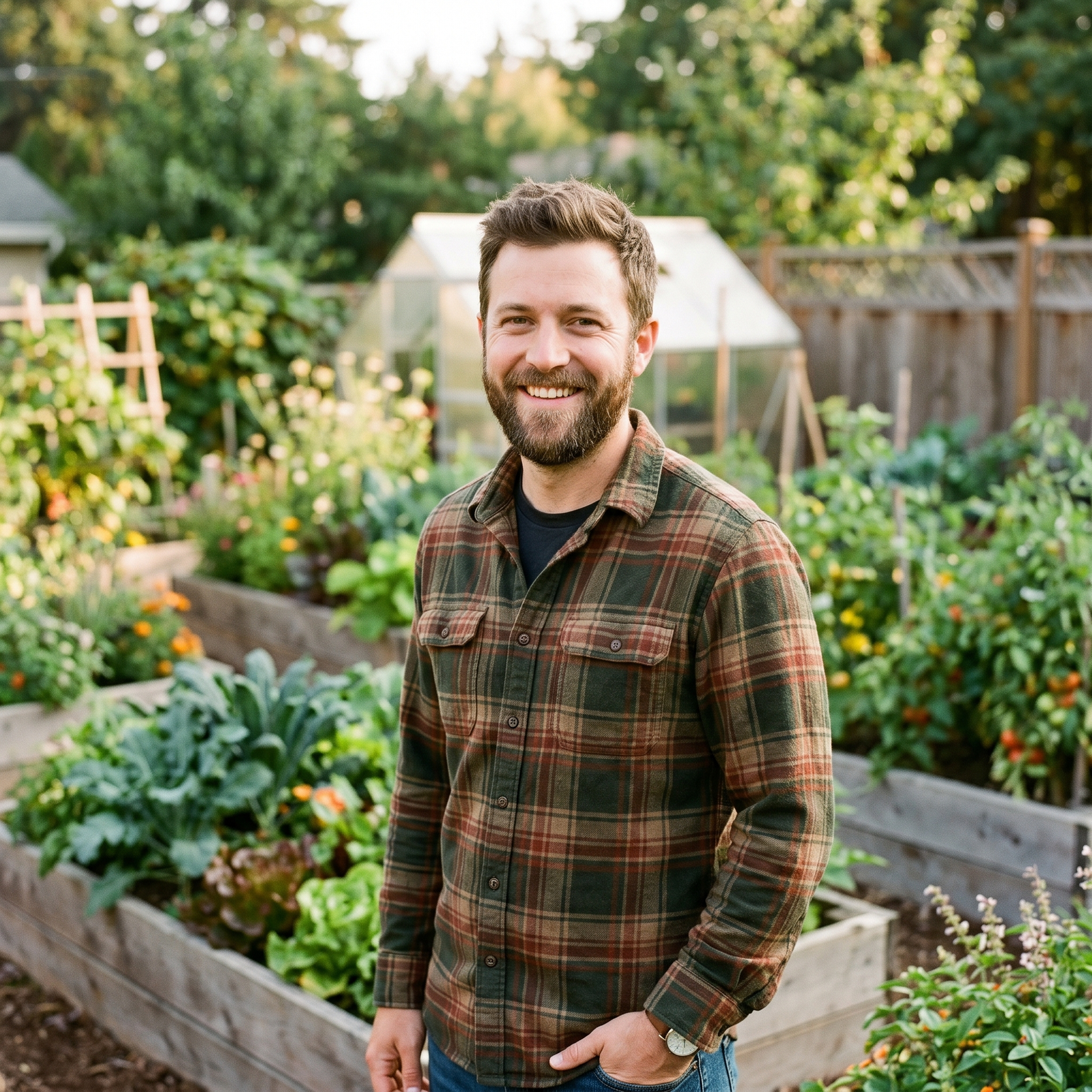
Felipe Macedo is a home gardener and food grower based in Portland, Oregon. After killing his first three tomato plants, he became obsessed with figuring out how to grow real food in small spaces — on balconies, in containers, and in raised beds he built himself. At Chatinovax, he shares everything he learned the hard way so you don’t have to.