
I remember staring at the sad patch of dead grass behind my first Portland rental house. I started my food growing journey on a tight apartment balcony with just empty yogurt containers and a rusty eight dollar trowel. I knew nothing about proper soil health or basic container drainage back then. Moving to a place with actual outdoor space felt completely intimidating because the ground consisted entirely of solid, unworkable clay.
I quickly realized that building wooden boxes above the ground solved all my massive drainage problems immediately. You can easily produce hundreds of pounds of fresh food when you set up a raised beds small backyard garden. These wooden structures give you absolute control over your environment and stop you from fighting terrible native dirt. You spend less time digging through rocks and more time actually growing huge vegetables.
Why a raised beds small backyard garden works perfectly
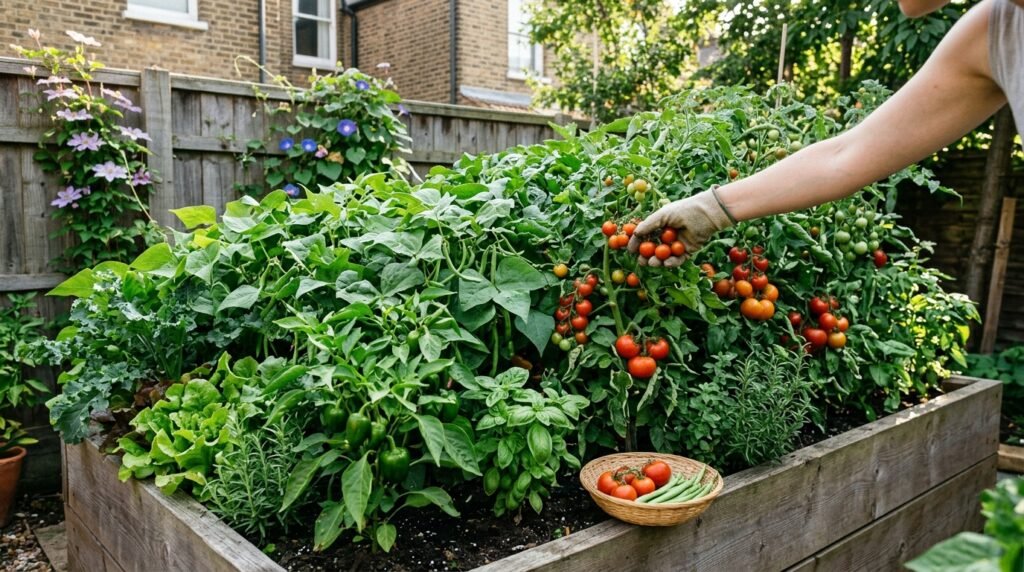
Traditional row farming wastes a massive amount of physical space on dirt walking paths. You cannot afford to waste a single inch of ground when you only have a few square feet of sunlight available. Consolidating your plants into a raised beds small backyard garden forces you to grow food intensively. You plant your vegetables closer together and create a thick canopy of green leaves.
This dense canopy actually protects the soil from the brutal summer sun and reduces your watering needs drastically. The tight spacing also prevents weed seeds from finding the sunlight they need to sprout and take over. You spend your weekends actually picking ripe tomatoes instead of pulling weeds on your hands and knees.
Warming up the soil earlier in spring
Wooden boxes sit entirely above the natural freeze line of the ground during the cold winter months. The spring sun hits the wooden sides directly and warms the potting soil inside much faster than the actual earth. This rapid heating allows you to plant your seeds weeks before traditional ground farmers can even dig.
Catching that early spring window gives you a massive head start on your summer harvest. You can pull an entire crop of radishes and spinach before you even put your tomato transplants outside.
Designing your raised beds small backyard garden layout
You must map out your physical space before you buy any expensive lumber or heavy bags of dirt. Grab a tape measure and watch how the shadows move across your grass from morning until evening. Vegetables require at least six hours of direct sunlight to produce heavy fruit. Place your wooden boxes directly in those bright, sunny zones and leave the shady corners for your compost pile.
Understanding how to plan a small vegetable garden layout for beginners helps you optimize every square foot intelligently. You need to leave enough walking room between the boxes to push a heavy wheelbarrow.
Figuring out the perfect box dimensions
Never build a wooden box wider than four feet across under any circumstances. You must be able to reach the absolute center of the dirt from either side without ever stepping on the soil. Stepping on your fluffy potting mix compacts the dirt and crushes the delicate plant roots completely.
I prefer building my boxes exactly three feet wide to make harvesting incredibly comfortable for my lower back. You can make the boxes as long as you want, but keep that narrow width strictly enforced.
Choosing materials for your raised beds small backyard garden
You have dozens of options for building materials, from expensive metal troughs to cheap recycled pallet wood. Cedar remains the absolute best choice for wet climates like the Pacific Northwest because it naturally resists rotting. A cedar box will easily last ten years even in the constant winter rain.
Pine costs significantly less upfront but rots away completely in about three or four seasons. Learning how to build a raised garden bed for under $50 shows you how to source affordable untreated lumber safely. You must completely avoid chemically treated wood because those toxic preservatives will leach directly into your organic food supply.
A non-obvious trick for filling deep boxes cheaply
Filling a two foot tall wooden box entirely with premium potting soil costs an absolute fortune. You can save massive amounts of cash by filling the bottom half of your box with large decaying tree branches and dry logs. This non-obvious trick mimics a natural forest floor and takes up huge amounts of empty physical space.
Toss grass clippings and dry autumn leaves right over the logs to fill the gaps completely. You only need to put actual expensive potting soil in the top eight inches of the wooden box. The logs will slowly break down over several years and feed your vegetable roots naturally.
The perfect dirt for a raised beds small backyard garden
You cannot just shovel heavy clay from your lawn directly into your brand new wooden frames. The dense mud will suffocate your plant roots and turn your boxes into stagnant swimming pools during a heavy rainstorm. You need a highly specific blend of fluffy organic materials to grow huge vegetables successfully.
Reading about the best soil mix for a raised bed vegetable garden gives you the exact ratios for success. You want a mix of rich compost, coarse vermiculite, and fluffy peat moss to trap moisture while draining perfectly.
Feeding the soil ecosystem long term
Your plants consume a massive amount of soil nutrients to produce heavy yields of summer food. You must replace those missing nutrients every single spring before you plant a new batch of seeds. Top dress your boxes with two fresh inches of organic mushroom compost every April.
The compost breaks down slowly and feeds the beneficial earthworms living deep inside your wooden boxes. Healthy soil biology does all the hard fertilization work for you naturally.
Planting strategies for your new wooden boxes
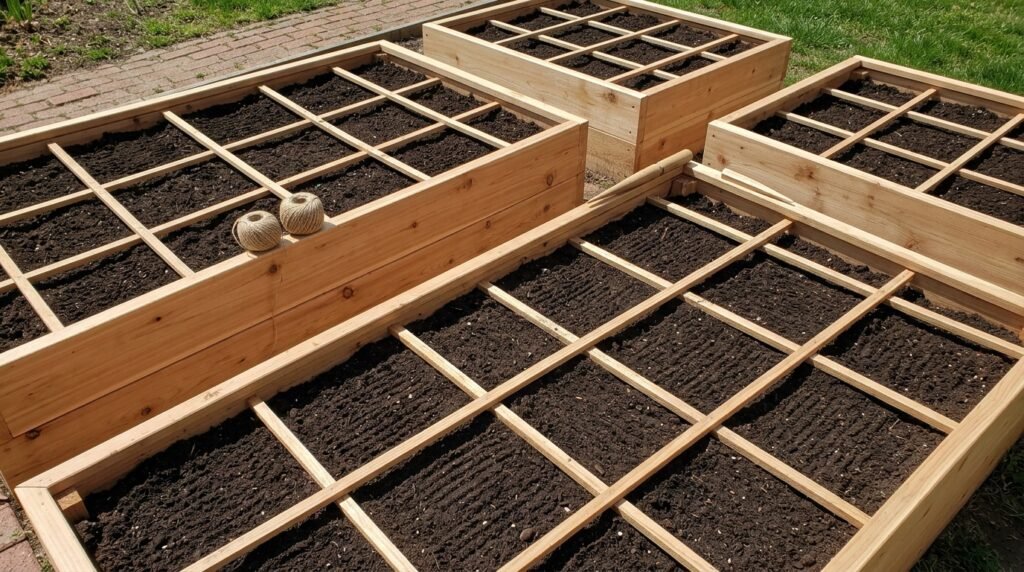
You throw traditional farming row spacing completely out the window when you use wooden boxes. You divide your dirt into one foot squares and plant a specific number of seeds inside each individual grid. The agricultural experts at The Old Farmer’s Almanac highly recommend this mathematical approach to maximize tight urban spaces.
This intensive method forces you to utilize every single inch of available dirt perfectly without wasting resources. You can fit exactly one massive cabbage or sixteen tiny carrots into a single square foot of soil.
Using trellises to save floor space
Sprawling vines like cucumbers and winter squash will completely overrun a small wooden box in a few short weeks. You must force these aggressive plants to climb straight up into the empty air above your dirt. Attach a sturdy metal cattle panel or a bamboo grid to the back edge of your wooden box.
Train the heavy vines up the metal grid and tie them securely using soft cotton string. This vertical farming strategy keeps the heavy fruit off the wet dirt and prevents nasty fungal diseases.
Maintaining your patio farm properly
Elevated dirt dries out significantly faster than the actual ground because the wind blows against the wooden sides constantly. You must check the moisture levels of your soil every single morning during the brutal heat of July. Push your bare index finger two inches deep into the dirt to feel the actual hydration level.
Only add water when the soil feels completely dry to the touch. Overwatering remains the number one killer of tomato plants in a raised beds small backyard garden setup. You want to force the plant roots to dig deep searching for natural moisture.
Defending your boxes from hungry pests
Slugs and snails struggle to climb up the rough wooden sides of a tall planting box. This physical elevation gives you a massive natural advantage against common ground pests right from the very start. You can staple copper tape around the outside perimeter of the wood to create an invisible electric fence against slugs.
You also need to watch the skies for hungry birds looking to steal your freshly planted seeds. Draping a lightweight row cover over your boxes protects the fragile seedlings until they grow strong enough to survive.
Prepping your raised beds small backyard garden for winter
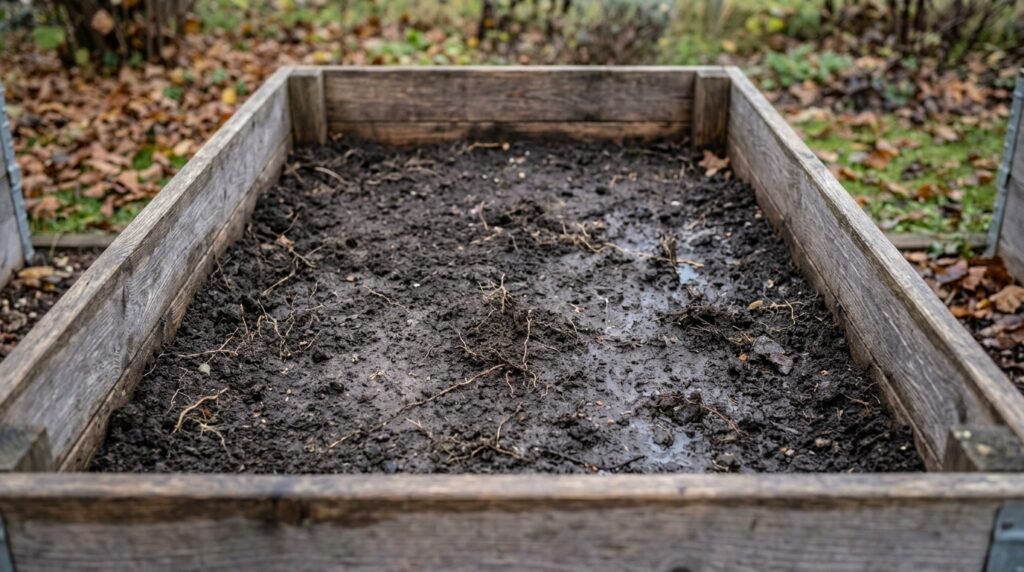
You do not just abandon your wooden boxes to the freezing rain when the autumn harvest finally ends. Leaving bare dirt exposed to harsh winter storms washes all your expensive compost right out the bottom drainage gaps. You must protect that vital soil biology by putting your boxes to bed properly.
Plant a thick cover crop of winter rye or crimson clover right over the empty dirt in late October. The roots of the cover crop hold the soil structure together and add massive amounts of free nitrogen to the dirt.
Using natural mulch for winter protection
If you prefer not to plant a living cover crop, you must cover the bare dirt with physical mulch. Dump a thick layer of shredded autumn leaves or clean straw directly over the potting soil. This heavy blanket insulates the dirt and stops aggressive weed seeds from landing on your boxes during the winter.
You simply pull the wet mulch back in the spring and plant your seeds directly into the dark, rich dirt. Managing a raised beds small backyard garden requires very little physical labor when you follow these basic rules. Build sturdy boxes, use the log trick to save money on dirt, and pack your plants tightly together. You will easily grow enough fresh food to feed your entire family all summer long.
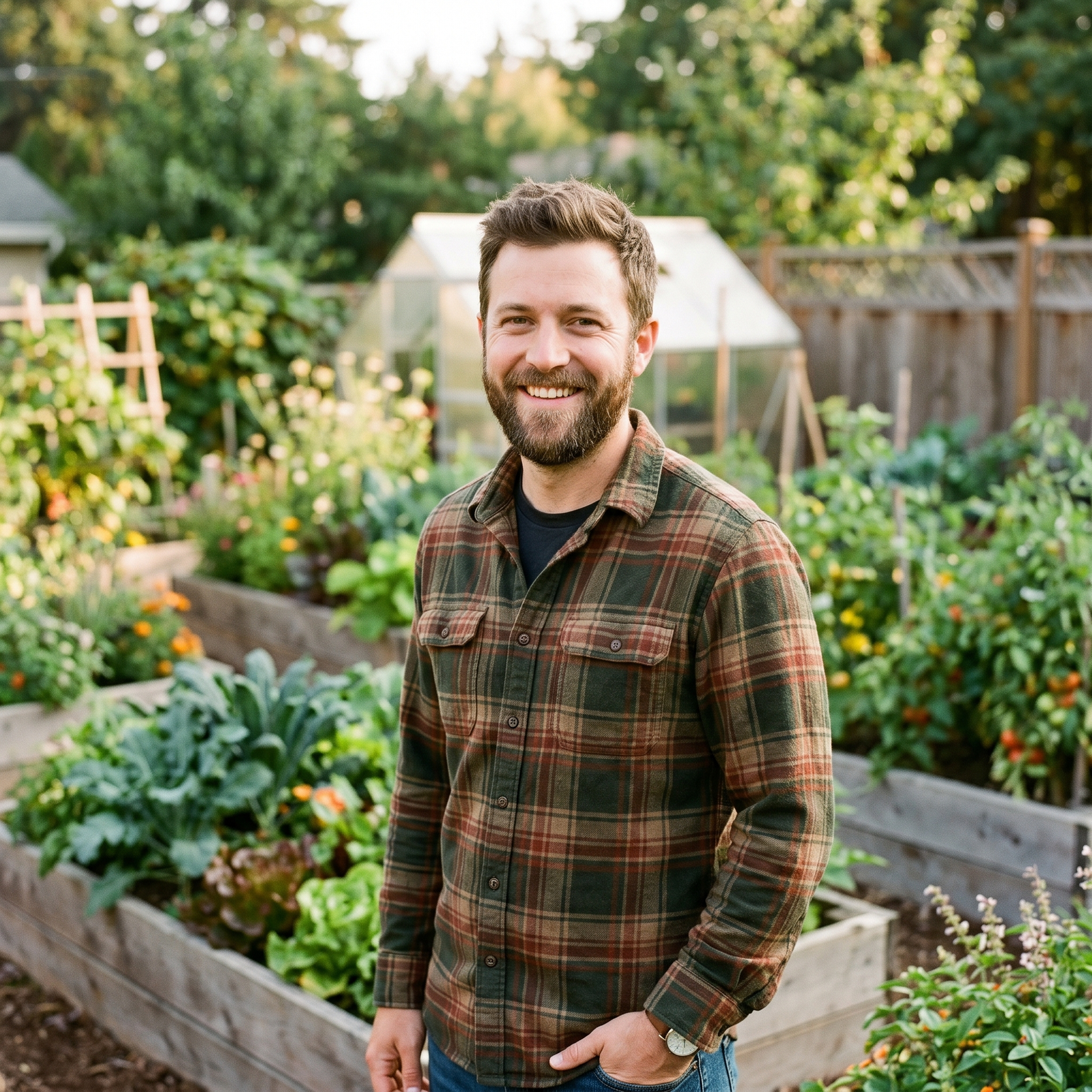
Felipe Macedo is a home gardener and food grower based in Portland, Oregon. After killing his first three tomato plants, he became obsessed with figuring out how to grow real food in small spaces — on balconies, in containers, and in raised beds he built himself. At Chatinovax, he shares everything he learned the hard way so you don’t have to.