
Walking out to your balcony and spotting yellow leaves on vegetable plants ruins a perfectly good morning. You spend weeks nurturing tiny green seedlings only to watch them suddenly lose their color and droop completely. I know this exact feeling of panic and frustration from my early days of patio farming.
During my first spring gardening here in Portland, the constant rain flooded my recycled yogurt containers entirely. I stood outside holding my cheap eight dollar trowel and watched my entire pepper crop turn a sickly, pale color. I assumed the plants were dying from some rare and incurable garden disease.
Finding the actual cause requires basic physical observation rather than blind panic. You must read the specific signs your plant is giving you and adjust your patio setup accordingly.
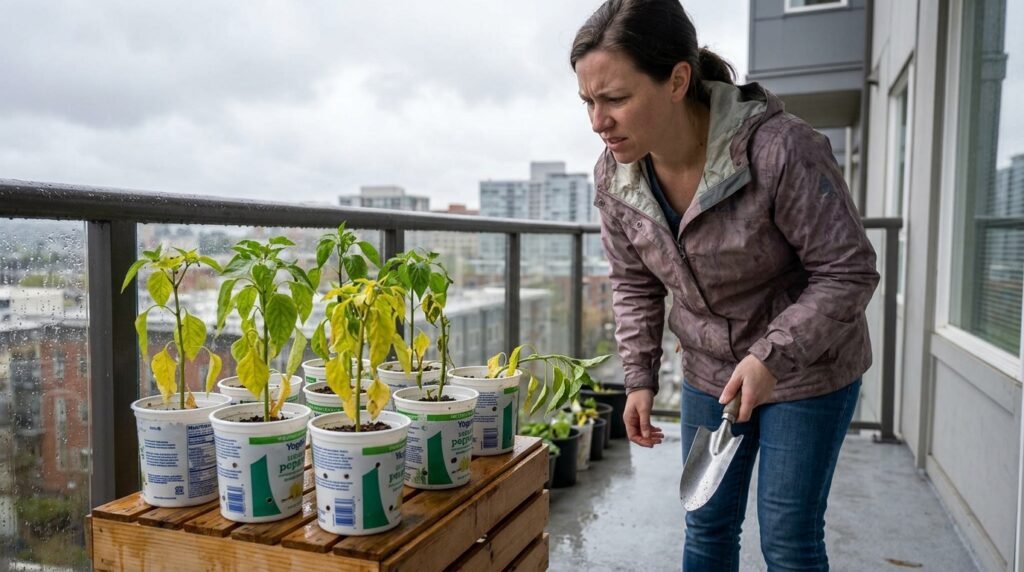
Why overwatering causes yellow leaves on vegetable plants
You make a massive mistake when you assume your plants need water every single day during the summer. You grab your watering can and soak the potting soil until it turns into a heavy mud puddle. The dense mud pushes all the oxygen out of the container and suffocates the fragile root system.
A drowning plant looks exactly like a thirsty plant because the rotted roots cannot pull moisture upward. The bottom leaves turn completely pale and fall off the main stem at the slightest physical touch. You panic when you see the wilting leaves and mistakenly add even more water to the flooded pot.
You fix this immediately by establishing a strict watering routine based on actual soil moisture rather than a calendar. Push your index finger exactly one inch deep into the dirt every single morning before the sun gets hot. If the dirt feels damp, you must step away and leave the watering can alone.
Fixing container drainage issues
You set yourself up for failure when you buy beautiful decorative pots but ignore the lack of bottom drainage. The excess water pools at the bottom of the container and sits there stagnant for weeks. The dirty water breeds destructive bacteria and rots the bottom half of your root ball completely.
You solve this by physically altering your containers before you add a single scoop of dirt. Grab a power drill and punch five large holes directly into the bottom plastic of every pot. Fixing this drainage problem stops yellow leaves on vegetable plants almost immediately.
Reading how to fix overwatered plants before it is too late reminds you that drainage saves dying crops. You can also switch to fabric grow bags that allow excess moisture to seep out the sides naturally.
The classic nitrogen deficiency mistake
You starve your crops when you fill your raised beds with the cheapest bagged topsoil from the hardware store. You plant heavy feeding crops like tomatoes and expect them to thrive in completely barren dirt. As the plant grows taller, it drains every ounce of nitrogen from the surrounding soil block.
The plant desperately needs nitrogen to build new green growth at the very top of the stem. It cannibalizes its own lower leaves, sucking the nitrogen out and sending it directly upward. This survival mechanism creates massive yellow leaves on vegetable plants starting from the bottom dirt line.
You cure this starvation by adding a high quality organic fertilizer to your containers immediately. Pour a liquid fish emulsion directly onto the soil to provide a rapid nitrogen boost to the roots.
A non-obvious trick using leftover coffee grounds
You cause serious watering problems when you dump a thick, wet layer of coffee grounds directly on top of your pots. The wet grounds dry in the afternoon sun and form a rock hard crust over the dirt. This crust repels your daily watering and leaves the roots completely bone dry underneath.
You fix this effectively by mixing the leftover grounds directly into the top three inches of your potting soil. The experts at Gardening Know How explain that incorporating the grounds prevents that dangerous hard shell from forming.
This non-obvious trick feeds the local earthworms and provides a slow release of nitrogen to stop the discoloration. It costs absolutely nothing and uses household waste you already generate every single morning.
Ignoring the signs of a magnesium shortage
You waste money when you see pale foliage and immediately dump heavy nitrogen fertilizer into your plastic buckets. The plant remains completely pale because it actually lacks a secondary mineral called magnesium. Magnesium serves as the central building block for chlorophyll, the critical molecule that makes leaves bright green.
When a plant lacks this specific mineral, the leaf veins stay dark green while the spaces between them lose color entirely. This specific visual pattern proves you have a magnesium shortage rather than a basic nitrogen problem causing yellow leaves on vegetable plants.
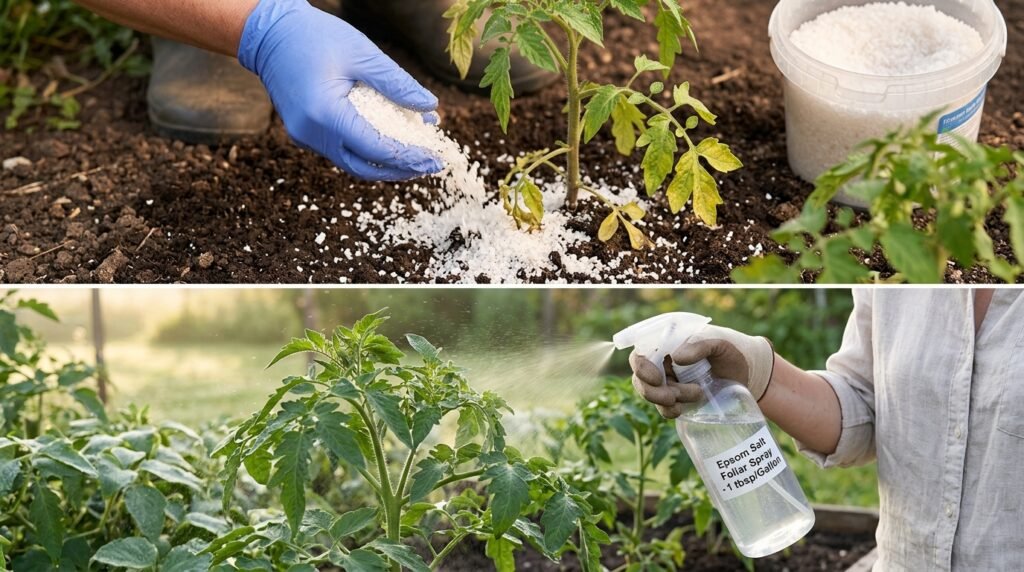
You correct this imbalance by providing a highly targeted dose of pure magnesium sulfate directly to the foliage. You can buy a cheap bag of plain Epsom salts at any local pharmacy for a few dollars.
Applying the Epsom salt fix safely
You ruin your harvest when you grab a handful of dry bath salts and throw them aggressively around the base of your tomato plant. The highly concentrated salts burn the fragile stem tissue and shock the shallow surface roots instantly. The plant drops its remaining green leaves in a desperate panic to survive the chemical burn.
You apply the treatment safely by dissolving the salts in warm water to create a gentle liquid foliar spray. Mix exactly one tablespoon of plain Epsom salt into a full gallon of tap water. Spray this gentle mixture directly onto the foliage early in the morning before the hot sun arrives.
Letting pests attack your vulnerable foliage
You invite total disaster when you only look at the top of your plants during your daily patio walk. You ignore the undersides of the foliage where thousands of tiny green aphids hide safely from the wind. These soft bodied pests pierce the plant tissue and suck the sugary sap directly out of the veins.
The physical damage drains the plant of vital fluids and causes the leaves to curl inward and lose their bright color. If you ignore the infestation, the bugs will multiply rapidly and destroy your entire summer harvest.
You defend your crops by physically flipping the leaves over and inspecting the hidden veins every single morning. Finding out how to get rid of aphids on vegetable plants naturally requires you to act aggressively. A sharp blast of cold water from a spray bottle knocks the pests completely off the plant.
Removing heavily damaged leaves
You make a massive error when you leave heavily damaged and discolored foliage firmly attached to the main plant stalk. You mistakenly believe the plant can somehow heal these dead leaves and turn them green again. The plant actually wastes massive amounts of internal energy trying to repair completely ruined tissue.
You fix this by practicing ruthless pruning to save the main crop and redirect the biological energy properly. Take a sharp pair of bypass pruners and snip off the worst sections of the plant immediately. Removing the damaged foliage forces the plant to push out healthy new green growth at the top.
The severe harsh sunlight mistake
You shock your crops when you buy beautiful green seedlings from a climate controlled indoor nursery in late May. You bring them home and place them directly onto your concrete balcony in the blazing afternoon sun. The intense ultraviolet radiation literally cooks the fragile green tissue within a matter of hours.
This severe sunburn completely ruins the ability of the plant to photosynthesize, leaving you with dry, yellow leaves on vegetable plants. The leaves develop crispy brown patches along the outer edges before dropping onto the floor.
You prevent this damage by introducing pampered indoor plants to the harsh outdoor world very slowly over a full week. Place your pots in a heavily shaded spot on your patio for just two hours on the very first day.
Managing rootbound nursery pots
You choke your plants when you pull a nursery seedling out of its plastic cup and shove it straight into a larger pot. The roots grew in a tight, tangled circle inside the tiny nursery container for months. If you do not break that tight circle, the roots will continue strangling themselves in the new dirt.
A strangled root system cannot pull water or nutrients up to the main stem to support new growth. This physical restriction directly causes yellow leaves on vegetable plants just weeks after you transplant them.
You solve this easily by gently roughing up the outside of the root ball with your bare fingers before planting. Reviewing the 10 beginner gardening mistakes and how to fix them shows how to tease the roots apart safely. This simple physical action encourages the roots to grow outward into the fresh surrounding dirt.
Planting too early in the spring season
You waste premium seeds when you get impatient in April and plant warm weather crops outside prematurely. Peppers and basil absolutely hate sitting in freezing cold dirt during a damp spring rainstorm. The cold temperatures lock up the available nutrients and paralyze the plant completely.
The leaves turn a pale color and the plant absolutely refuses to grow an inch taller despite your best efforts. You assume the plant needs more fertilizer, but the cold roots physically cannot absorb the food you provide.
You avoid this delay by using a physical soil thermometer to check the dirt temperature before you plant anything outside. According to the gardening guides at The Old Farmer’s Almanac, most summer crops require soil temperatures consistently above sixty degrees.
Fixing compacted container soil
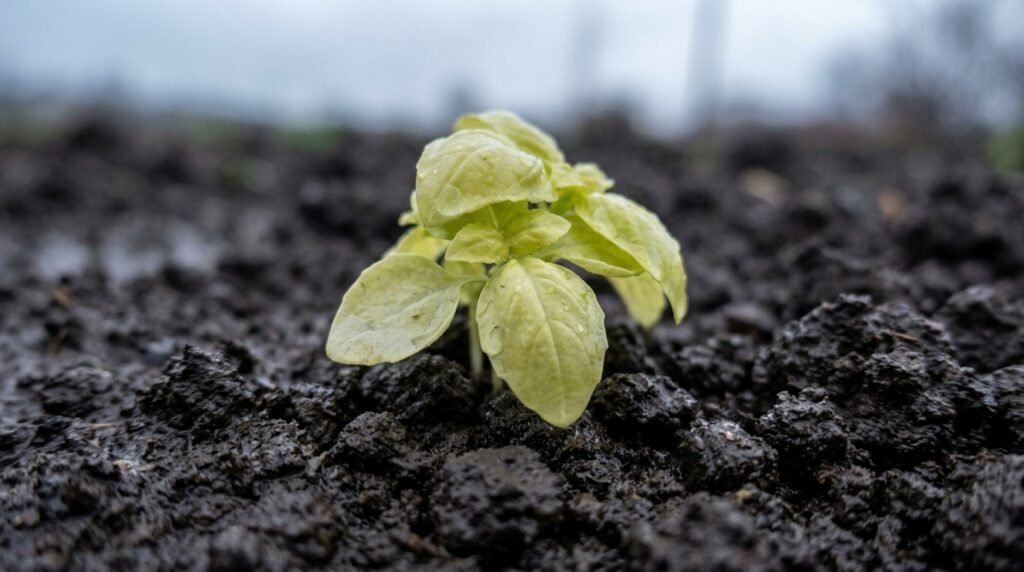
You suffocate your garden when you reuse the exact same potting soil from last year without adding any fresh organic matter. The old dirt compacted into a dense, hard brick over the long and wet winter season. The new fragile roots cannot push through this concrete barrier to find moisture.
You fix this tired dirt by physically dumping the old containers out onto a tarp and breaking the clumps apart. Mix a generous amount of fresh perlite and organic compost into the old dirt to make it fluffy again. Loose dirt allows the roots to breathe deeply and keeps the top foliage incredibly green and healthy.
Finding pale and drooping foliage on your balcony farm feels incredibly defeating after months of hard physical work. You do not have to throw your expensive plants in the garbage and give up on your summer harvest entirely. You just need to act like a practical patio detective and test the soil moisture levels first.
Most nutrient issues require a simple organic feed or a quick blast of liquid magnesium to fix the problem permanently. Adjust your daily watering habits, watch out for sneaky pests, and keep your roots breathing freely. You can successfully cure yellow leaves on vegetable plants and get your patio farm producing heavy fruit again.
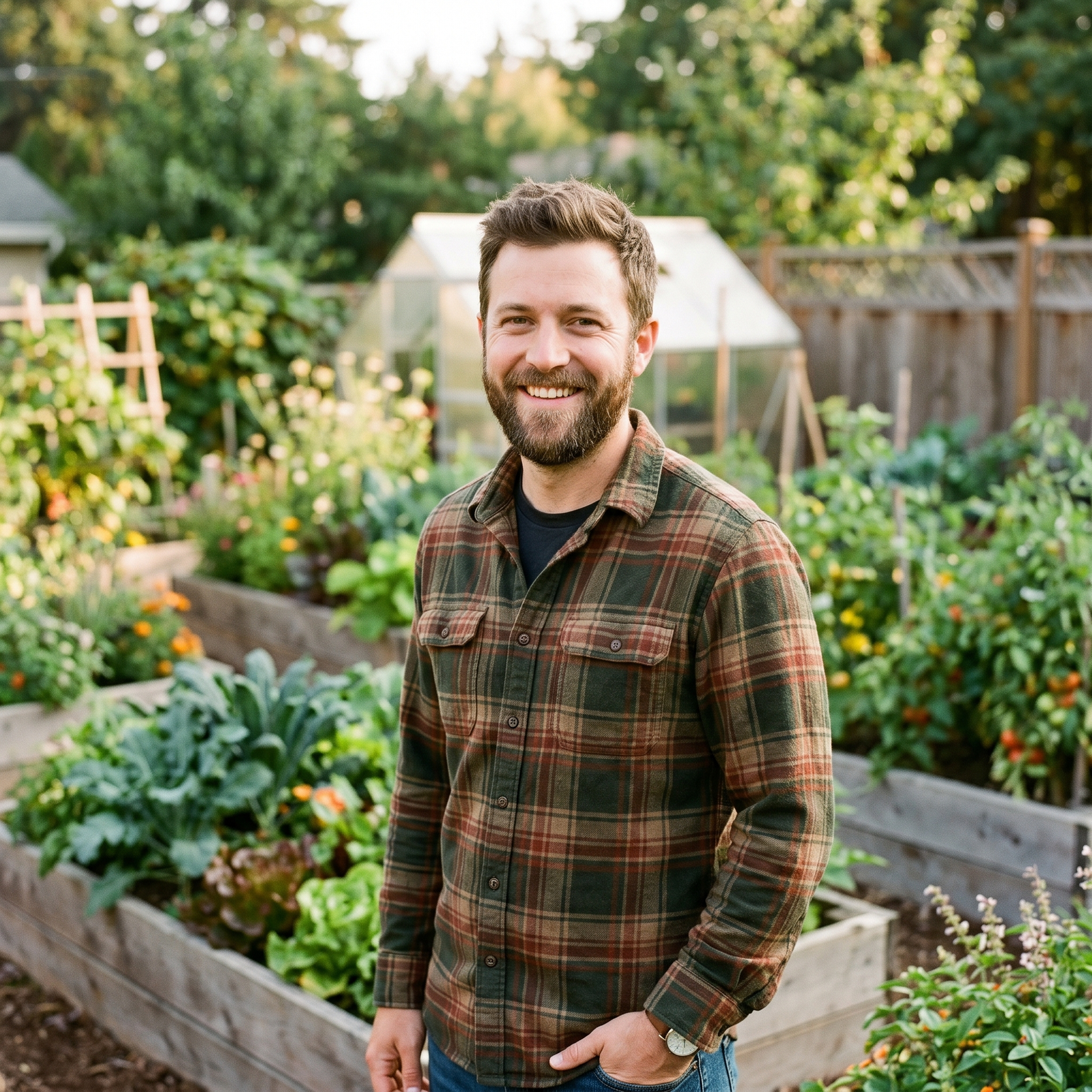
Felipe Macedo is a home gardener and food grower based in Portland, Oregon. After killing his first three tomato plants, he became obsessed with figuring out how to grow real food in small spaces — on balconies, in containers, and in raised beds he built himself. At Chatinovax, he shares everything he learned the hard way so you don’t have to.