
I killed my very first tomato plant by loving it way too much. I sat on my Portland apartment balcony in the pouring spring rain, adding even more tap water into a recycled yogurt container. I thought a wet plant was a happy plant. The roots suffocated in a pool of standing mud within two weeks. Learning how to fix overwatered plants saves you from making this exact same heartbreaking mistake. You can rescue a drowning vegetable if you catch the warning signs early enough.
Recognizing the signs before you fix overwatered plants
Plants cannot scream when they are drowning in heavy mud. They send you distinct physical signals that you must learn to read quickly. The most common warning sign appears right on the foliage. The bottom leaves turn a sickly, pale yellow color and feel completely soft to the touch.
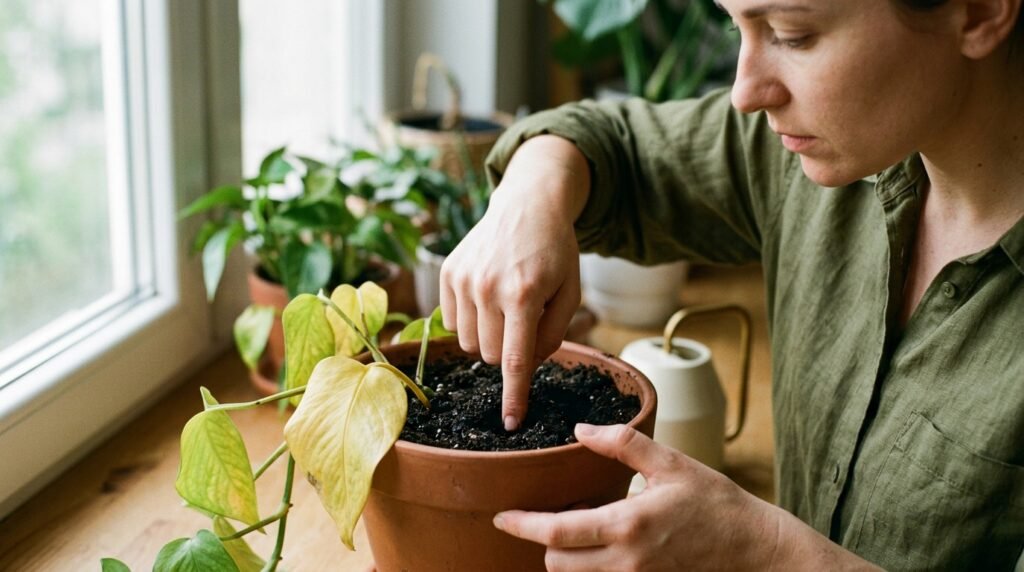
Many beginners see yellow leaves and assume the plant needs more water. Pouring more liquid onto a drowning root system just accelerates the dying process. You must check the actual dirt before you grab your watering can. Push your bare finger deep into the soil to check the moisture level below the surface.
The foul smell of root rot
Healthy potting soil smells like a fresh forest floor after a light rain storm. A drowning container smells exactly like a stagnant swamp. Anaerobic bacteria multiply rapidly in flooded dirt and release a terrible rotting odor.
Put your nose right down next to the soil surface and take a deep breath. A sharp, sour smell tells you immediately that the roots are decaying underground. You must take drastic action to save the crop from total failure.
Immediate steps to fix overwatered plants in containers
The absolute first step requires zero physical effort. You must put your watering can away and step back from your balcony. Stop adding any liquid to the container immediately. The soil needs a massive break to recover.
Move the flooded pot into a covered area if the heavy Portland rain refuses to stop. A patio table or a simple plastic chair provides enough shelter to block the incoming weather. The soil needs a chance to breathe and evaporate the excess moisture naturally.
Evaluating the container drainage
Pick the heavy pot up and look directly at the bottom surface. You cannot grow healthy vegetables in a plastic bucket without several large drainage holes. If the pot lacks holes, the water just pools at the bottom and creates a toxic swamp.
Grab a cordless drill and punch five holes directly into the bottom plastic right now. You will see dirty brown water rush out onto your concrete patio instantly. This immediate drainage provides the first step in saving your distressed vegetable.
A non-obvious trick to fix overwatered plants rapidly
Sometimes a plastic pot holds onto water even after you drill proper drainage holes. The dense potting mix acts like a heavy sponge and refuses to let the moisture escape. You can physically pull the water out using a clever household trick.
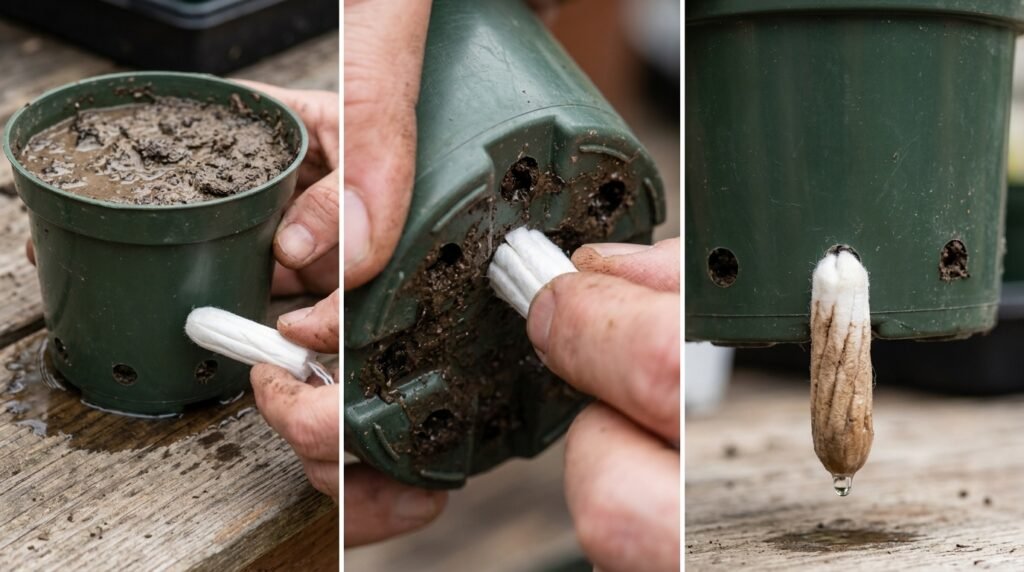
Push a dry cotton tampon or a tightly rolled paper towel halfway up into the bottom drainage hole. Leave half of the cotton hanging outside the pot. This creates a physical wick that actively sucks the standing water out of the muddy dirt.
Remove the soaked cotton wick after a few hours and replace it with a dry one. Repeat this process until the water stops dripping out completely. This non-obvious trick drains a flooded pot significantly faster than normal evaporation.
Elevating the pot for better airflow
A flat plastic bucket sitting directly on flat concrete creates a suction seal. This seal traps water inside the pot and blocks fresh oxygen from reaching the roots. You must lift the container off the ground to break this dangerous seal entirely.
Slide three small rocks or bottle caps underneath the bottom edge of your pot. This tiny gap allows fresh air to circulate underneath and helps the soil dry out much faster. Good airflow remains your best defense against stagnant moisture.
Inspecting the roots to fix overwatered plants safely
If the soil remains completely soaked after two days, you must intervene aggressively. Lay a plastic tarp on your patio floor and gently slide the entire plant out of its container. You need to look directly at the hidden root system.
Healthy roots look completely white and feel firm when you squeeze them gently. Drowning roots look dark brown, feel incredibly slimy, and fall apart when you touch them. You have to remove this rotting tissue to fix overwatered plants permanently.
Performing emergency root surgery
Grab a pair of clean, sharp scissors from your kitchen drawer. Carefully cut away every single brown and mushy root from the bottom of the plant. You must cut back to the firm, white tissue to stop the rot from spreading further.
Wipe your scissors with rubbing alcohol after every single cut to prevent spreading the bacteria. Do not worry about removing a large portion of the root mass. The plant will grow brand new roots once it returns to a healthy environment.
Repotting in dry soil to fix overwatered plants
You cannot put a trimmed plant back into the same sour, muddy dirt. Throw that swampy soil directly into your city compost bin. You need a completely fresh foundation to give the plant a fighting chance at survival.
Mix up a brand new batch of light, fluffy potting dirt. Reading about the best soil mix for a raised bed vegetable garden helps you create the perfect texture. Add a massive handful of white perlite to guarantee excellent drainage moving forward.
Choosing the correct pot size
Beginners often place a tiny struggling plant into a massive five gallon bucket. A small root system cannot drink all the water held in a giant container of dirt. The unused soil stays wet for weeks and invites root rot back instantly.
Place your recovering plant into a pot that barely fits the remaining root ball. A smaller container dries out much faster and forces the roots to seek out fresh oxygen. You can always upgrade to a larger pot later in the summer.
Changing your habits to avoid and fix overwatered plants
You must change your daily gardening routine to prevent this disaster from happening again. Watering on a strict calendar schedule guarantees you will eventually drown your vegetables. Plants drink different amounts of water depending on the daily temperature and humidity.
Learning how to water a vegetable garden without overwatering requires you to check the soil manually. Push your index finger two inches deep into the dirt every single morning before grabbing the hose. Only add water if the soil feels completely dry.
The simple weight test method
You can also judge the moisture level by simply lifting the container with your hands. A pot full of wet mud feels incredibly heavy and dense. A pot full of dry soil feels surprisingly light and easy to lift off the concrete.
The experts at Gardening Know How recommend memorizing the weight of a completely dry pot. You only add water when the container feels light again. This physical test prevents accidental flooding entirely.
Nursing the foliage after you fix overwatered plants
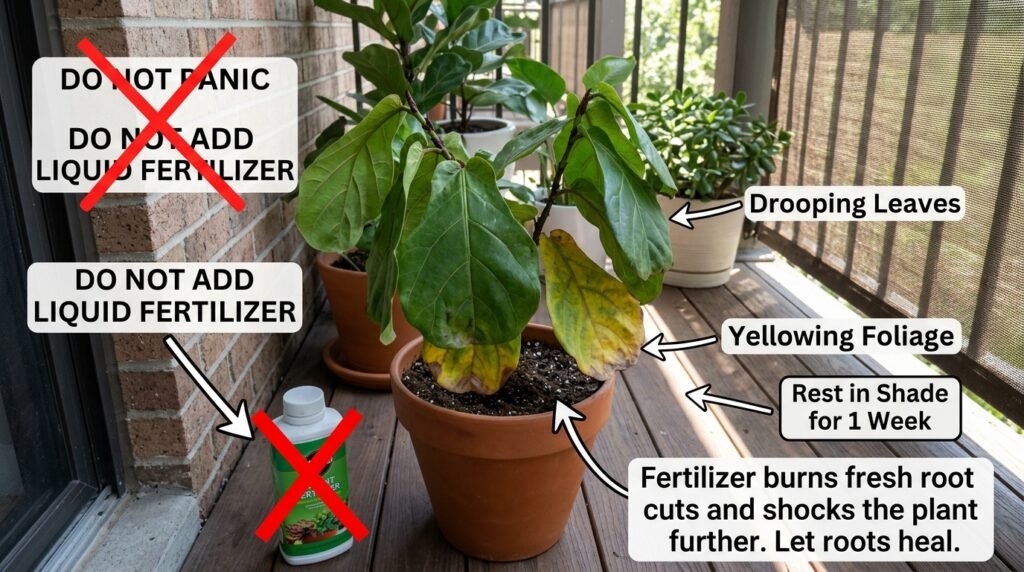
Your plant will look completely terrible for several days after this stressful repotting process. The leaves will droop and a few more might turn yellow before things improve. Do not panic and do not add any liquid fertilizer to the soil.
Fertilizer burns the fresh cuts on the roots and shocks the fragile plant further. Let the plant rest in a partially shaded corner of your balcony for a full week. The roots need time to heal before they can process heavy nutrients.
Trimming the damaged leaves
Take your sharp scissors and cut off any leaves that look entirely yellow or brown. The plant wastes valuable energy trying to keep dying foliage alive. Removing the bad leaves forces the plant to push that energy into growing brand new roots instead.
Understanding how to deal with yellow leaves on vegetable plants helps you identify which leaves to cut. Leave any foliage that still shows a solid green color. The green leaves will power the recovery process through photosynthesis.
Growing food in small containers requires careful observation and a gentle touch with the watering can. You will inevitably drown a few seedlings while you learn the specific rhythms of your balcony farm. Catching the warning signs early makes it incredibly easy to fix overwatered plants and save your summer harvest. Keep your dirt fluffy, drill plenty of drainage holes, and always use the finger test before adding moisture. You can successfully fix overwatered plants and enjoy a massive yield of fresh vegetables this season.
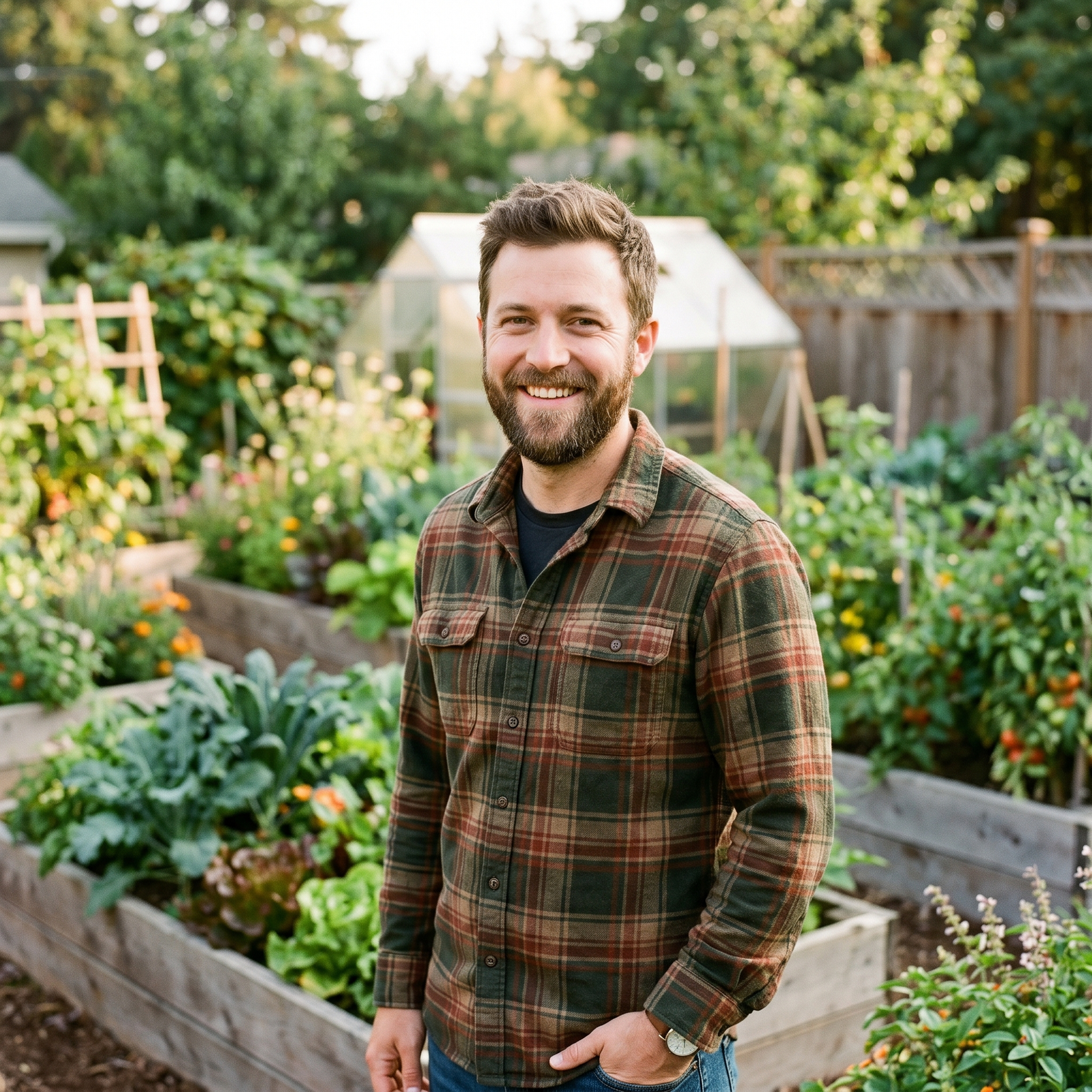
Felipe Macedo is a home gardener and food grower based in Portland, Oregon. After killing his first three tomato plants, he became obsessed with figuring out how to grow real food in small spaces — on balconies, in containers, and in raised beds he built himself. At Chatinovax, he shares everything he learned the hard way so you don’t have to.