
Buying plastic clamshells of sad greens at the grocery store drains your wallet quickly. You bring the expensive box home, eat a single salad, and watch the rest turn into green slime in the crisper drawer. Relying on the supermarket for fresh greens makes zero sense when you have a sunny windowsill. You can absolutely grow lettuce indoors all year round with minimal effort and very cheap supplies.
This project does not require a massive outdoor garden or expensive landscaping projects. You control the climate completely when you bring your food production inside your home. Your apartment becomes a reliable source of fresh food regardless of what the weather does outside.
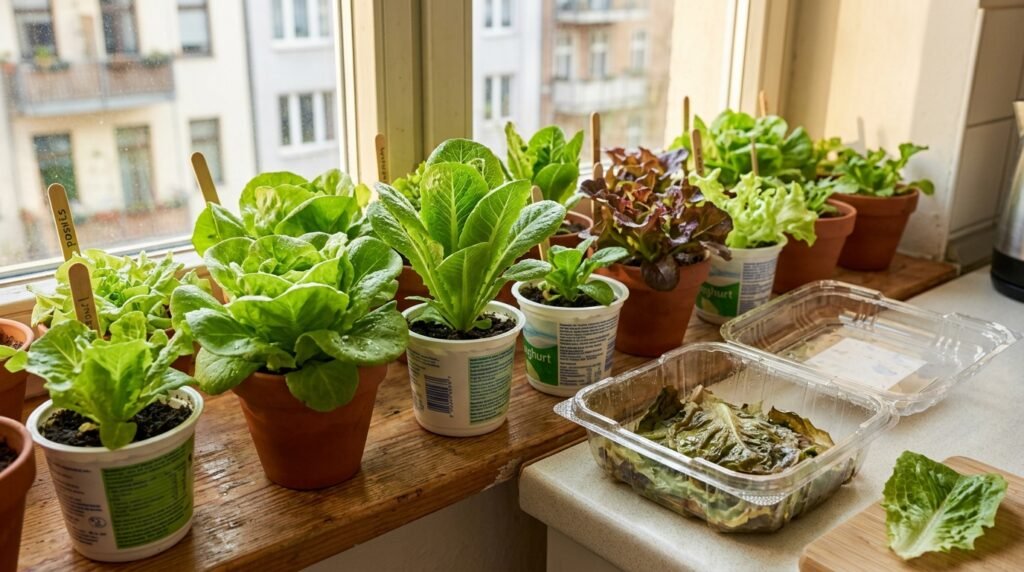
Why you should choose to grow lettuce indoors this season
Outdoor gardens face constant threats from harsh weather and hungry local pests. Slugs absolutely destroy young greens before you ever get a chance to harvest them for dinner. Extreme heat causes these cool-weather plants to bolt and turn incredibly bitter practically overnight.
Here in Portland, our spring weather swings wildly from freezing rain to bright, scorching afternoons. I lost entire trays of delicate greens on my south-facing balcony because the dark plastic pots overheated in the sudden sun. Moving the operation inside completely solved my temperature problems.
Your apartment stays roughly the same comfortable temperature all year long. This stable environment perfectly matches what cool-season crops actually prefer for steady growth. You strip away all the unpredictability of traditional farming.
You also eliminate the need to wash heavy dirt and bugs off your dinner plates. Indoor plants stay remarkably clean and require just a quick rinse under the tap before eating.
Selecting the smartest varieties for your setup
When you decide to grow lettuce indoors, head varieties like iceberg usually cause frustration. They take months to form and demand significant space to spread out properly. You want to focus entirely on loose-leaf varieties that grow quickly and bounce back from heavy harvesting.
According to the planting experts at Burpee, loose-leaf types reach maturity weeks faster than tightly headed varieties. Black-seeded Simpson and buttercrunch serve as incredibly forgiving choices for first-time indoor growers. They tolerate lower light levels and produce tender, sweet leaves consistently.
Mesclun seed mixes also work perfectly for small pots and recycled kitchen containers. You just scatter the seeds across the dirt and let them grow into a dense carpet of food. This specific method maximizes your yield in a very limited square footage.
Try to avoid dark red or purple varieties for your very first indoor attempt. Those beautiful colors actually require intense, direct sunlight to develop properly. Green varieties perform much better under standard indoor lighting conditions.
The basic containers you need to grow lettuce indoors
You do not need to buy expensive ceramic pots to start this project today. I grew my entire first winter crop in empty yogurt containers I pulled right out of the recycling bin. You just need to poke a few drainage holes in the bottom with a hot nail.
Lettuce has a remarkably shallow root system compared to heavy crops like tomatoes or peppers. A container only needs to be about four to six inches deep to support a massive harvest. Wide, shallow plastic tubs work much better than deep, narrow buckets.
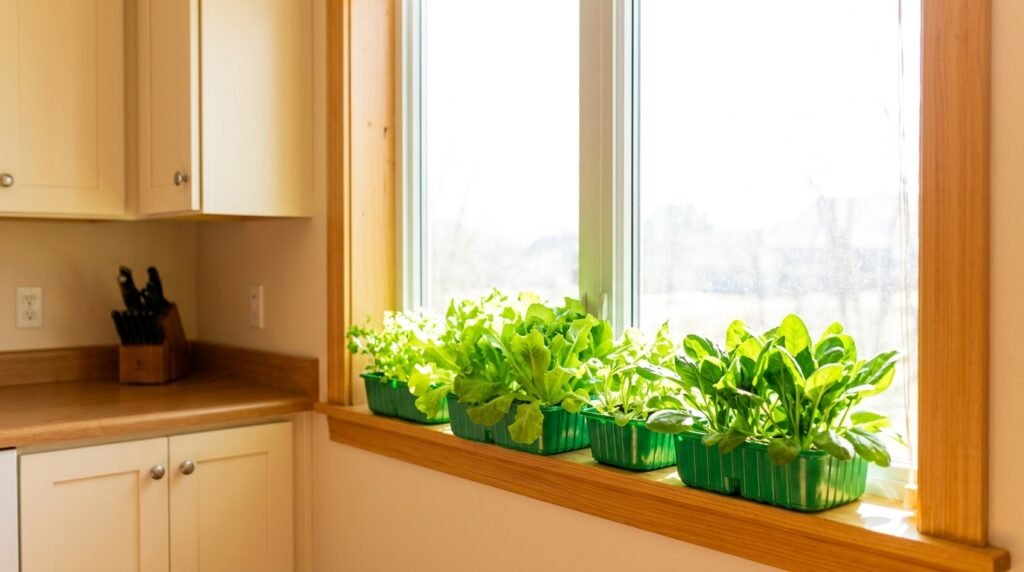
If you want a slightly nicer look, standard plastic window boxes fit perfectly on apartment sills. They hold enough dirt to produce a continuous supply of side salads for two people. Just make sure you place a plastic drip tray underneath to protect your floors from muddy water.
Good drainage remains absolutely critical for indoor growing success. Indoor soil takes much longer to dry out than outdoor pots exposed to the wind. Trapped water quickly rots the shallow root systems and kills the crop.
Picking the right dirt for indoor containers
You must use a sterile, bagged potting mix designed specifically for container plants if you want to grow lettuce indoors. Bringing dirt from a backyard directly into your apartment invites disaster. Outdoor soil contains dormant bug eggs, fungal spores, and weed seeds that will thrive in your warm living room.
Ground dirt also compacts heavily and prevents proper drainage in small plastic pots. Finding the best soil mix for a raised bed vegetable garden or indoor pots guarantees your roots get enough oxygen. Look for a commercial mix containing plenty of perlite to keep the dirt fluffy.
Moisten the potting soil in a large bowl before you put it into your growing containers. Dry potting mix often repels water initially, causing the liquid to run down the sides of the pot. Pre-moistening ensures the dirt acts like a sponge from day one.
Press the damp soil gently into your containers but do not pack it down hard. You want to preserve the tiny air pockets that allow the fragile young roots to expand easily.
Lighting rules when you grow lettuce indoors successfully
Vegetables need energy to produce food, and that energy comes entirely from bright light. A dark corner of your kitchen will not support healthy plant growth. You must find the brightest spot in your entire apartment for this project to work.
A south-facing window provides the best natural light for winter growing. Place your containers directly on the sill so the plants sit right up against the glass. If your windows face north, you will likely need to supplement the natural light with artificial help.
You do not need to spend hundreds of dollars on specialized purple grow lights. A standard LED shop light from the hardware store works perfectly for leafy greens. You just need to position the light source extremely close to the plants.
Keep the artificial lights running for about twelve to fourteen hours a day. Leafy crops do not need an intense resting period, but they do require some darkness to process their nutrients. Put the lights on a cheap mechanical timer so you never have to think about flipping a switch.
Planting seeds for a continuous harvest
Dumping an entire packet of seeds into one pot guarantees a massive failure. The tiny plants will crowd each other out and starve for light. You must practice patience and space your seeds out deliberately.
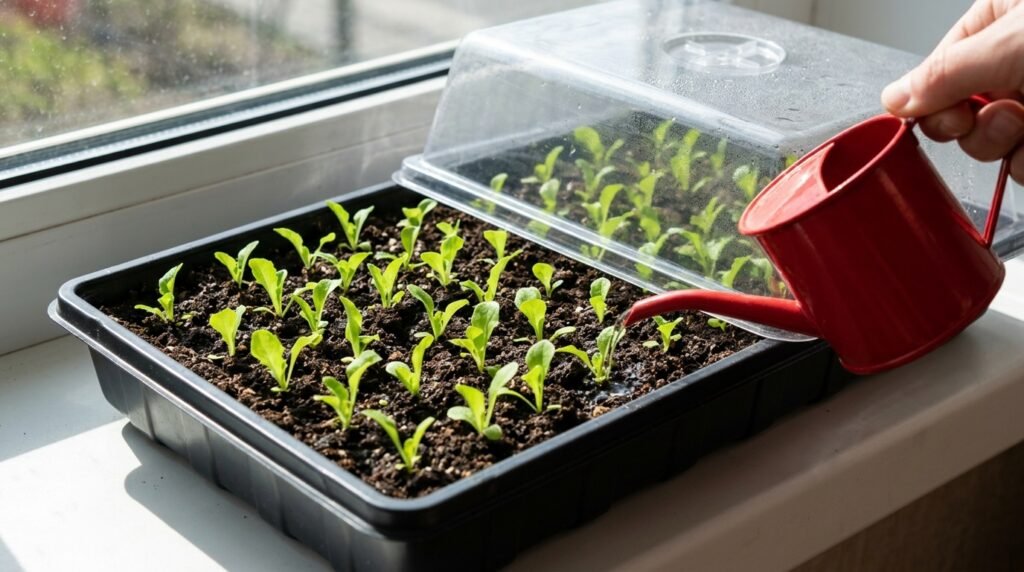
Sprinkle a few seeds across the surface of your damp potting soil. Cover them with a bare dusting of dry dirt, just enough to hide them from view. These specific seeds actually need light to germinate properly, so burying them deep prevents them from sprouting.
You should stagger your planting dates to ensure a steady supply of food. Plant one small container today, wait two weeks, and plant a second container. This simple technique stops you from having a massive harvest all at once.
Keep the soil surface moist using a plastic spray bottle until the green sprouts appear. The seeds usually wake up and break through the dirt in less than a week.
The smartest way to water as you grow lettuce indoors
Watering from the top down often causes serious problems for delicate indoor greens. Pouring water directly over the leaves encourages fungal diseases and knocks tiny seedlings flat. You want to keep the leaves completely dry while providing moisture directly to the roots.
Here is a non-obvious trick that completely changed my indoor success rate. You should always water your containers from the bottom up. Place your pots in a deep plastic tray filled with an inch of fresh water.
The dry potting soil acts like a wick and pulls the moisture up through the bottom drainage holes. Remove the pots from the tray after twenty minutes so they do not sit in standing water. Learning how to water a vegetable garden without overwatering prevents root rot and keeps your plants incredibly healthy.
This bottom-watering technique forces the roots to grow downward toward the moisture source. A deep, strong root system supports a much larger canopy of edible leaves above the dirt.
Harvesting techniques that multiply your yield
Learning to grow lettuce indoors means mastering the cut-and-come-again harvest strategy. Beginners often pull the entire plant out of the dirt when they want a salad. That destroys the root system and ends the growing cycle completely.
Wait until the leaves reach about four inches tall before you take your first harvest. Take a sharp pair of clean scissors and snip the outer leaves just an inch above the soil line. Leave the tiny central leaves completely intact.
Those small inner leaves will continue to grow and replace the ones you just ate. The plant recovers rapidly and usually provides another full harvest in about ten days. This strategy maximizes the food output of a tiny space.
Add a very weak dose of liquid organic fertilizer after your second harvest. The plants need a small nitrogen boost to keep pushing out new green growth.
Solving common problems when you grow lettuce indoors
Even the most careful gardeners encounter a few bumps in the road. If your young seedlings look tall, pale, and incredibly fragile, they are starving for light. You must move them closer to the window or drop your artificial lights closer to the soil.
Fungus gnats are tiny black flies that love damp indoor potting soil. They will not hurt your established plants, but they are incredibly annoying in an apartment. Letting the top inch of dirt dry out completely between waterings usually breaks their breeding cycle.
If your leaves suddenly taste bitter, the room might be too warm. These cool-season crops prefer temperatures in the low sixties. Move the pots away from heating vents or hot radiators to keep the flavor sweet and crisp.
Sometimes young plants just fail despite your best efforts. Understanding why your seedlings are dying and how to save them helps you adjust your strategy for the next batch. Do not let one bad pot discourage you from trying again.
Turning a sunny windowsill into a productive food station feels like a massive victory. You stop wasting money on plastic boxes of rotting greens and start eating truly fresh food. The process takes very little time once you establish a solid watering routine.
It is incredibly rewarding to grow lettuce indoors when the outdoor weather turns miserable. You can harvest a fresh, crisp salad while rain pounds against the glass just inches away. Grab a cheap plastic tub and some potting soil to start your own indoor farm today.
Felipe Macedo is a home gardener and food grower based in Portland, Oregon. After killing his first three tomato plants, he became obsessed with figuring out how to grow real food in small spaces — on balconies, in containers, and in raised beds he built himself. At Chatinovax, he shares everything he learned the hard way so you don’t have to.