
Growing your own food brings massive satisfaction right up until the leaves turn yellow. You spend weeks nurturing a tiny seedling into a massive green bush. Then you wake up one morning to find black spots covering your precious harvest. Dealing with tomato plant problems frustrates every single new grower.
Five years ago I stood on my Portland balcony staring at a dead, shriveled vine in a yogurt container. I panicked and threw the entire thing in the compost bin. I realized later that I could have saved my harvest with just a few simple adjustments. You do not need to throw away struggling plants.
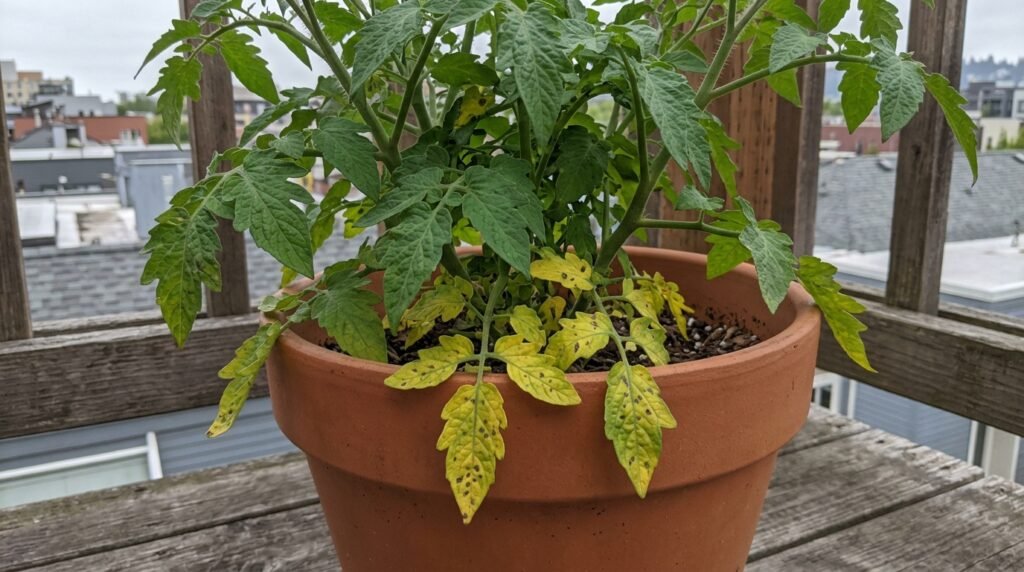
Identifying the most common tomato plant problems early
Most issues stem directly from how you manage your daily watering routine. Container plants rely entirely on you for their moisture and survival. Flooding the pots every single morning suffocates the roots completely. Letting the dirt turn into dry dust stresses the plant beyond repair.
Finding that perfect balance prevents the vast majority of tomato plant problems from ever starting. You must check the soil manually before you grab the watering can. Push your index finger two inches deep into the dirt.
If it feels wet to the touch, walk away without adding a single drop. If it feels dusty and dry, water the container deeply until liquid runs out the bottom. Consistency solves most container gardening headaches.
Fixing blossom end rot on your patio crops
You wait weeks for a beautiful green tomato to finally turn red. You pick it up and find a disgusting sunken black hole covering the entire bottom half. This specific issue breaks the hearts of patio gardeners every single summer.
Blossom end rot happens when the plant cannot absorb enough calcium from the potting soil. The dirt usually has plenty of calcium available for the roots. The plant simply cannot move that mineral into the fruit without a steady supply of water.
Learning how to water a vegetable garden without overwatering prevents this heartbreaking rot completely. Maintain even moisture levels so the roots can always access the minerals they need.
Why yellow leaves signal serious tomato plant problems
A healthy plant produces deep green foliage throughout the entire summer season. When the lowest leaves suddenly turn bright yellow, the plant is begging for help. Nitrogen deficiency causes the oldest leaves to lose their healthy color first.
The plant actively pulls nutrients from the bottom leaves to support new growth at the top. You must start a regular feeding routine to keep the entire plant strong. Apply a balanced organic liquid fertilizer every two weeks.
Container soil loses its stored nutrients quickly because water washes the food out the bottom drainage holes. Replacing that lost nitrogen keeps the leaves green and the plant producing heavy flowers.
Fungal diseases that destroy your bottom leaves
Sometimes yellow leaves feature dark brown spots surrounded by bright yellow halos. This specific pattern indicates a serious fungal infection called early blight. Fungal spores live in the dirt and splash up onto the lowest leaves when you water.
Removing those infected leaves immediately stops the fungus from spreading upward to healthy branches. Knowing how to deal with yellow leaves on vegetable plants requires quick action and clean pruners.
Throw the diseased foliage straight into the trash bag. Never put infected leaves into your compost bin because the spores will survive the winter and return next year.
Managing tomato plant problems caused by poor airflow
Beginners often refuse to cut healthy green branches off their prized patio plants. They assume more leaves will equal a much larger harvest by the end of August. This mindset actually creates a dense jungle that invites serious trouble.
Air cannot circulate properly through a tightly packed green bush. Stagnant humid air creates the perfect breeding ground for destructive fungal diseases. You must ruthlessly prune your plants to keep the air moving freely.
If you need a quick refresher on container basics, reading up on how to grow tomatoes in containers on a balcony covers the essential pruning steps. Snip away crossing branches to open up the center of the plant.
A smart pruning trick for healthier main stems
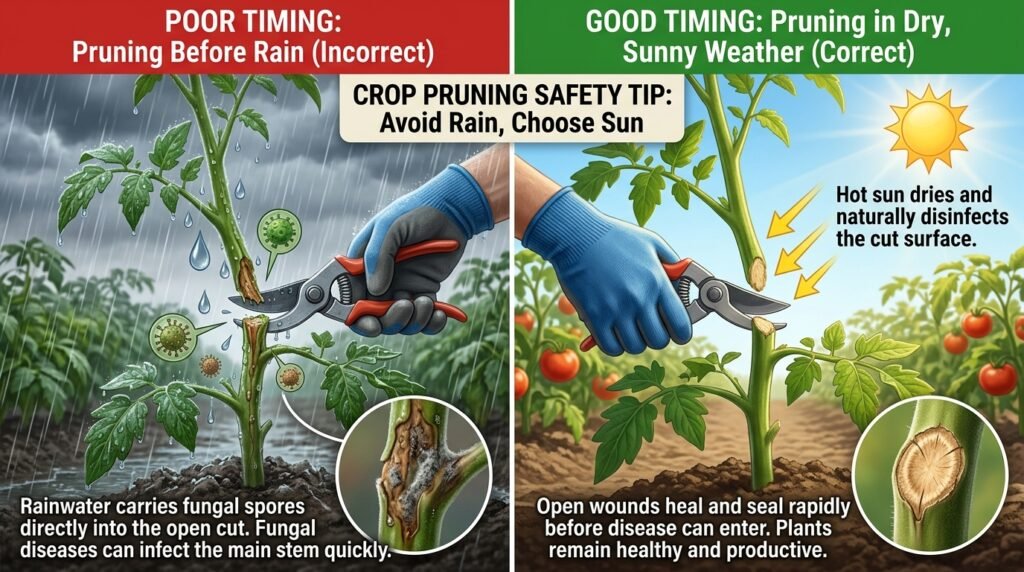
Here is a highly effective tip for pruning your crops safely. Never cut branches off your plant right before a heavy rainstorm hits your neighborhood. The open wounds need time to dry and heal properly.
Rainwater carrying fungal spores will enter those fresh cuts and infect the main stem directly. Always prune your plants at the beginning of a dry, sunny stretch of weather.
The hot sun acts as a natural disinfectant and dries the cut surfaces rapidly. This simple timing trick prevents a massive amount of disease from entering your vulnerable plants.
Environmental tomato plant problems you can control
Summer weather dictates exactly how much food your patio garden produces. When temperatures soar above ninety degrees, the plant experiences massive heat stress. The yellow blossoms will actually dry up and fall off the plant entirely.
This annoying condition is called blossom drop and it ruins your potential harvest. You cannot control a massive heatwave, but you can protect your vulnerable containers. Push your fabric pots into the shade during the hottest hours of the afternoon.
Providing temporary relief from the scorching sun keeps the flowers attached to the stem. Once the heatwave breaks, you can slide the heavy pots back into the full sun.
Protecting fragile stems from strong apartment winds
Balcony gardens face brutal wind tunnels that ground-level yards never experience. A heavy gust will snap a mature branch clean off the main stalk in seconds. Providing sturdy physical support prevents this disastrous outcome.
Tie the main stems to a thick bamboo stake using soft garden twine or old cotton shirts. Check your ties weekly to ensure they do not dig into the growing green tissue.
According to the gardening experts at The Old Farmer’s Almanac, keeping your plants securely staked also keeps the developing fruit safely off the wet dirt. This stops soil pests from eating your food before you do.
Solving tomato plant problems related to backyard pests
Bugs will eventually find your patio garden no matter where you live. Waking up to leaves covered in tiny green insects causes instant panic for a beginner. Aphids love to suck the sap out of tender new growth at the top.
Spraying harsh chemical pesticides destroys the natural ecosystem you want to build on your balcony. You kill the beneficial ladybugs right alongside the destructive garden pests.
A strong blast of water from a spray bottle usually knocks aphids off the plant completely. You just have to repeat the process every few days until the bug population drops.
Dealing with massive hungry hornworms
Sometimes you notice entire branches stripped completely bare of their leaves overnight. You look closely and find a massive bright green caterpillar hiding against the stem. Tomato hornworms possess an incredible appetite and work very fast.
They will destroy a small patio plant in two days if you ignore them. The researchers at Gardening Know How suggest simply picking these large caterpillars off by hand.
Drop them into a cup of soapy water to stop them from eating your hard work. Handpicking remains the absolute safest pest control method for apartment growers with small children or pets.
Preventing tomato plant problems before they ever start
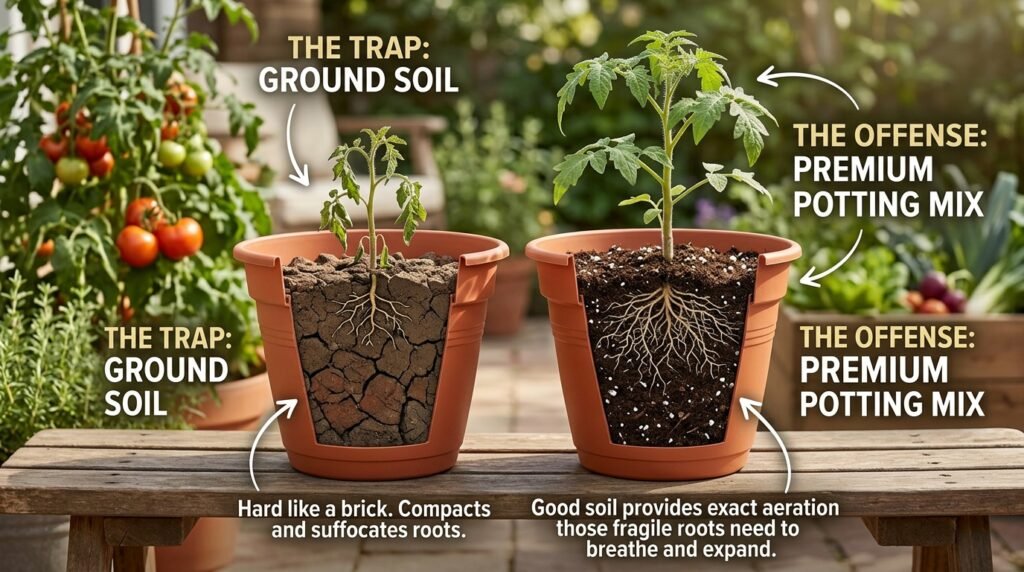
The best defense against a failing garden is a strong offense on planting day. Choosing the right dirt solves almost every future drainage issue you might face. Ground soil compacts into a hard brick when confined in a plastic pot.
You must buy a premium fluffy potting mix designed specifically for container gardening. Good soil provides the exact aeration those fragile roots need to breathe and expand.
Setting your plants up for success early prevents months of reactive troubleshooting later in the season. Good dirt acts like an insurance policy for your entire patio harvest.
Choosing resilient container varieties for small spaces
Certain plants handle the stress of patio life much better than others. Large heirloom varieties often struggle in cramped five-gallon plastic buckets. They demand massive root space and constant feeding to survive the summer heat.
You should look for determinate bush varieties bred specifically for small spaces. These compact plants produce heavy yields without the constant drama of towering ten-foot vines.
Matching the right plant to your limited square footage guarantees a much easier summer. You spend less time fighting the plant and more time enjoying the actual vegetables.
Growing your own food teaches you to accept the things you cannot control. A sudden heatwave or a stray bug will always test your patience as a grower. You just have to observe your plants closely and react quickly when things look strange. Taking five minutes every morning to inspect your leaves makes a massive difference in your harvest. You can easily fix most tomato plant problems if you catch the early warning signs. Grab your watering can, check your soil moisture, and enjoy the process of keeping your patio garden alive.
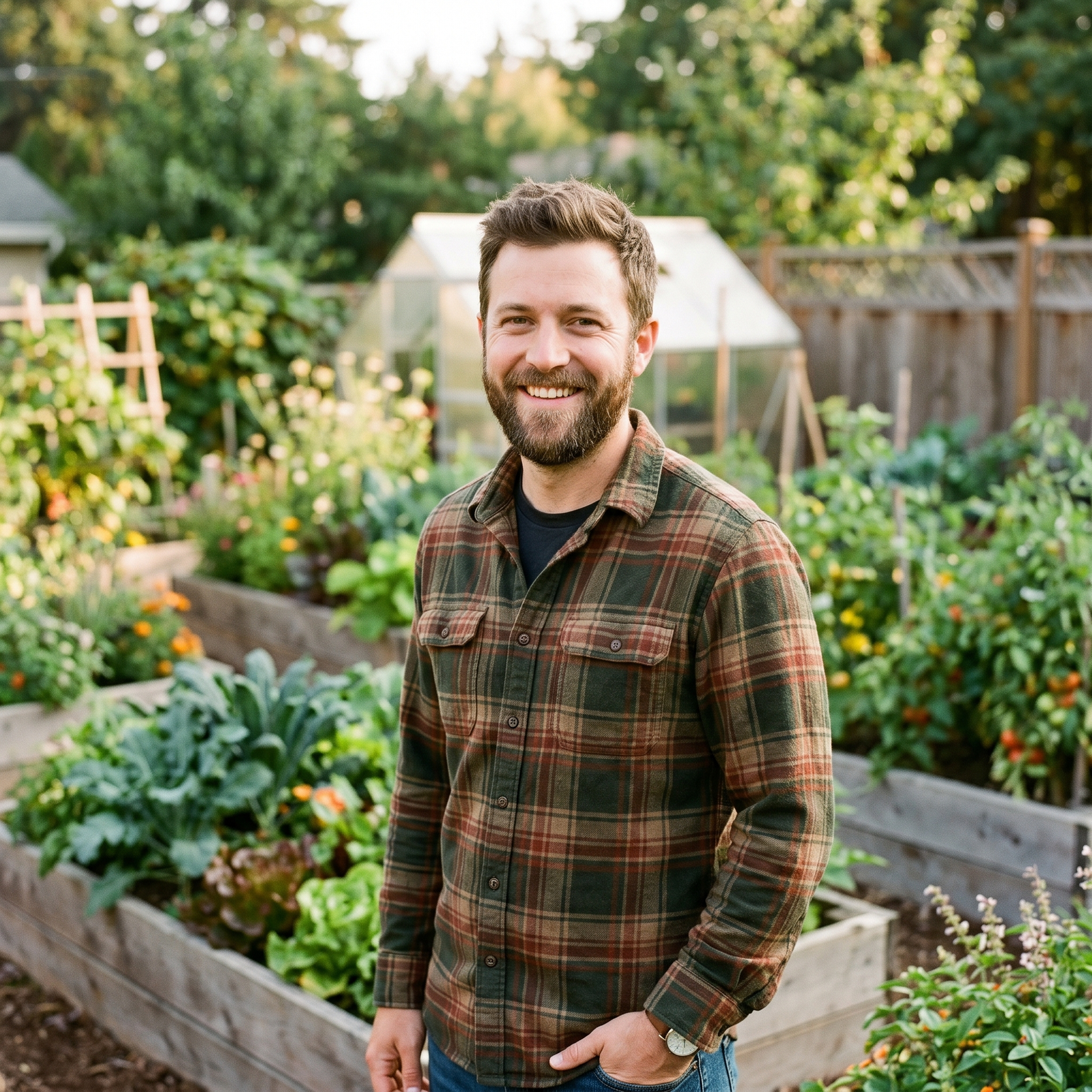
Felipe Macedo is a home gardener and food grower based in Portland, Oregon. After killing his first three tomato plants, he became obsessed with figuring out how to grow real food in small spaces — on balconies, in containers, and in raised beds he built himself. At Chatinovax, he shares everything he learned the hard way so you don’t have to.