
Throwing food scraps into the regular garbage feels incredibly wasteful. You buy expensive organic vegetables, chop off the ends, and send them straight to a landfill. Many apartment renters assume they need a massive backyard pile to recycle those kitchen scraps. You can absolutely make compost at home using very little space and basic materials. It just requires understanding how organic decomposition works indoors.
During my first year gardening in Portland, I spent a small fortune on premium bagged soil. I lugged heavy plastic bags up three flights of stairs in the freezing spring rain. I suddenly realized I was throwing away coffee grounds and banana peels every single morning. Those kitchen scraps contained the exact nutrients my patio plants desperately needed. I was paying retail prices for dirt while throwing away the raw ingredients required to make it.
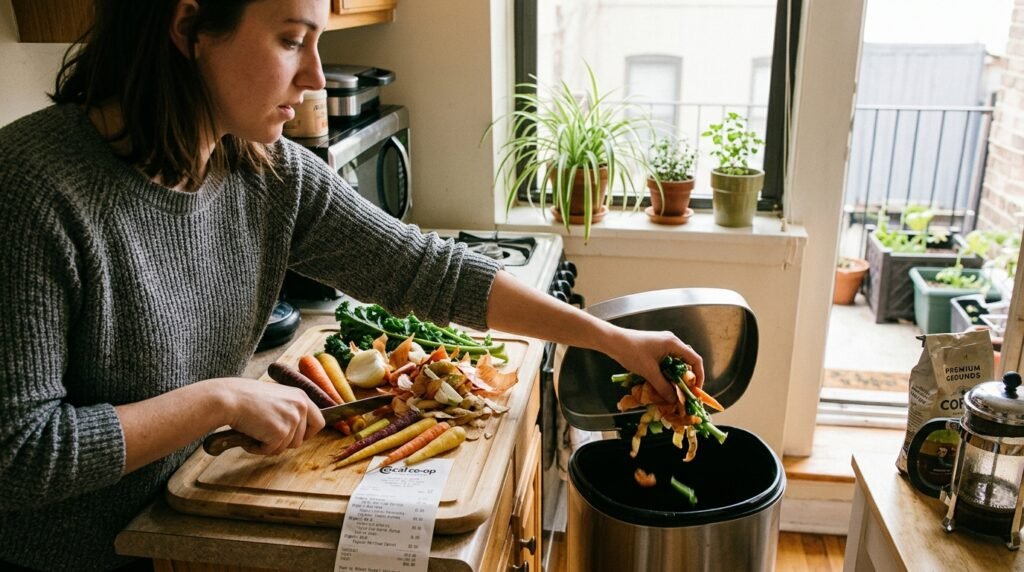
Why you should make compost at home this season
Learning how to make compost at home saves you serious money at the garden center. You stop buying expensive chemical liquid fertilizers to feed your patio plants. The nutrient-dense dirt you create naturally feeds your container crops all summer long. You control exactly what goes into your soil, meaning you know exactly what feeds your food.
Container dirt degrades quickly over a single growing season. The organic material breaks down completely, leaving your vegetable roots sitting in dense, depleted dust. Adding fresh organic matter brings that tired dirt back to life immediately. It restores the fluffy texture required for healthy root expansion.
Understanding how to improve poor garden soil without spending a lot relies heavily on this free resource. You completely close the loop on your household waste while boosting your vegetable yields. It feels incredibly rewarding to turn garbage into actual tomatoes.
Understanding the simple ratio of greens and browns
Creating healthy soil requires balancing two main types of ingredients. You need nitrogen-rich green materials and carbon-rich brown materials. Getting this ratio right stops the pile from turning into a smelly, rotting mess on your patio.
Green materials include wet kitchen scraps like apple cores, coffee grounds, and old lettuce leaves. Brown materials consist of dry items like shredded newspaper, cardboard boxes, and dead autumn leaves. The brown materials provide structure and absorb excess moisture from the wet vegetables.
According to the beginner guides at The Old Farmer’s Almanac, you want a ratio of roughly three parts brown material to one part green material. This balance keeps the system smelling like a fresh forest floor instead of a garbage can. You must keep a steady supply of dry cardboard ready at all times.
Choosing a system to make compost at home indoors
You cannot build a traditional hot pile on a wooden apartment balcony. Traditional piles require massive volume to generate the heat necessary to break down plant matter. Small space growers have to rely on different decomposition methods to process their waste.
Bokashi offers a great solution for tight apartment kitchens without outdoor space. This system ferments your food waste using special inoculated bran in a sealed plastic bucket. It processes meat and dairy, which traditional systems cannot handle safely. The fermented waste then needs to be buried in soil to finish breaking down.
Vermicomposting uses specific red wiggler worms to eat your kitchen garbage. They digest the raw materials and excrete incredibly rich castings that plants absolutely love. A worm bin fits perfectly under the kitchen sink or in a dark hall closet. This remains the absolute best method for small balcony growers.
Setting up a basic plastic worm bin
You do not need to buy an expensive commercial worm tower online. You can build a highly effective system using two dark plastic storage totes from the hardware store. Drill dozens of small drainage holes in the bottom of the first tote using a basic power drill.
Nest the drilled tote directly inside the solid tote to catch any excess liquid. Drill a row of ventilation holes along the top edge of the upper bin. Worms need oxygen to survive and process your food scraps efficiently. Airflow prevents the bin from becoming stagnant and sour.
Tear up black and white newspaper into thin strips to create fluffy bedding. Moisten the paper until it feels exactly like a damp kitchen sponge. Add your red wigglers and a handful of old patio dirt to introduce beneficial bacteria to the new environment.
What to feed your bin when you make compost at home
Your indoor system requires a specific diet to remain healthy and completely odor-free. Feed your bin raw vegetable peels, fruit cores, and plain coffee grounds. The worms will consume almost any plant-based material you generate in your kitchen.
Crushed eggshells provide excellent grit that helps the worms digest their meals properly. Worms do not have teeth, so they use the hard eggshell fragments to grind up the soft vegetable matter in their stomachs. Wash the eggshells and crush them into a fine powder before adding them.
When you decide to make compost at home, you must chop your kitchen scraps into small pieces. Large chunks of food take months to break down completely in a small bin. Small pieces offer more surface area for the worms and bacteria to attack immediately.
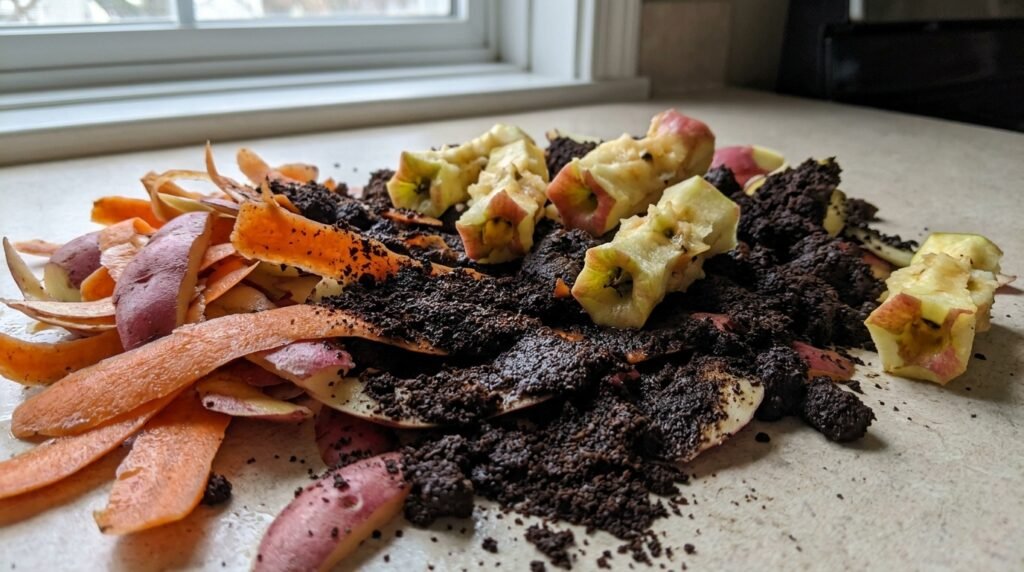
A non-obvious trick to speed up decomposition
Here is a highly effective tip that speeds up the entire decomposition process dramatically. Keep a plastic container in your freezer for all your daily vegetable scraps. Freeze your food scraps completely before adding them to your worm bin.
The freezing process physically bursts the rigid cell walls of the vegetables. When the frozen scraps thaw out in the bin, they turn into a soft, mushy paste. The worms consume this soft paste significantly faster than crisp, fresh vegetables. This trick also kills any fruit fly eggs hiding on your banana peels.
Items that ruin a small space system
If you want to safely make compost at home, never put meat or bones into your bin. These items putrefy rapidly and create a horrible rotting smell that will ruin your apartment. They also attract flies and unwanted rodents to your balcony.
Avoid adding large amounts of citrus peels or raw onions to your worm bin. These highly acidic foods irritate the sensitive skin of your worms. The worms will try to escape the bin to get away from the uncomfortable burning environment.
Reading up on 10 beginner gardening mistakes and how to fix them usually involves fixing a smelly, rotting scrap bucket. Keeping your inputs strictly vegan prevents almost every single odor issue. Stick to simple fruit and vegetable waste to guarantee a healthy bin.
Managing moisture levels to successfully make compost at home
An indoor bin should never smell like rotting garbage or sour milk. A foul odor always indicates that the environment has become far too wet for the worms. Excess water drowns the worms and forces anaerobic bacteria to take over the entire system.
Kitchen scraps contain massive amounts of hidden water locked inside their cells. As the vegetables break down, they release all that liquid directly into your plastic tote. You must constantly add dry brown materials to absorb the excess moisture.
If the bin starts smelling sour, stop adding food immediately. Stir in a thick layer of dry shredded cardboard and leave the lid off for a full day. The dry carbon will soak up the wet sludge and balance the bin within a week.
Preventing annoying fruit flies indoors
Fruit flies love indoor bins that have exposed food sitting on the surface. These tiny bugs will multiply rapidly and invade your entire apartment if you give them the chance. You must actively prevent them from accessing the rotting vegetables.
Always bury your fresh food scraps deep under the damp newspaper bedding. Never leave a banana peel or apple core resting on top of the soil. Burying the food forces the fruit flies to look elsewhere for a meal.
You can also cover the surface of the bedding with a solid sheet of damp cardboard. This acts as a physical lid that blocks insects from reaching the damp dirt below. A properly managed worm bin rarely attracts any flying pests.
Harvesting your finished black gold
It takes very little effort to make compost at home once the worms settle in. A healthy worm bin produces usable plant food in about three to four months. The finished product looks exactly like dark, crumbly coffee grounds.
Stop feeding one side of the plastic tote entirely for two full weeks. Place all your new food scraps on the opposite side of the bin. The hungry worms will naturally migrate toward the fresh food source over time.
Once the worms move over, you can scoop out the finished dirt from the empty side. You do not have to pick out every single worm by hand. Just grab handfuls of the rich material and add it directly to your patio pots.
Making liquid fertilizer from your system
Your double-tote system will naturally collect a dark liquid in the bottom bin. This liquid drains from the breaking down vegetables and drips through the upper holes. Many gardeners call this liquid worm tea or leachate.
This liquid contains a concentrated dose of beneficial microbes and plant nutrients. You must dilute it heavily before pouring it onto your vegetable roots. Mix one part of the dark liquid with ten parts of plain tap water.
Use this diluted mixture to water your patio plants every two weeks. It provides an immediate organic boost to hungry crops like tomatoes and peppers. You essentially get free liquid fertilizer as a byproduct of your recycling project.
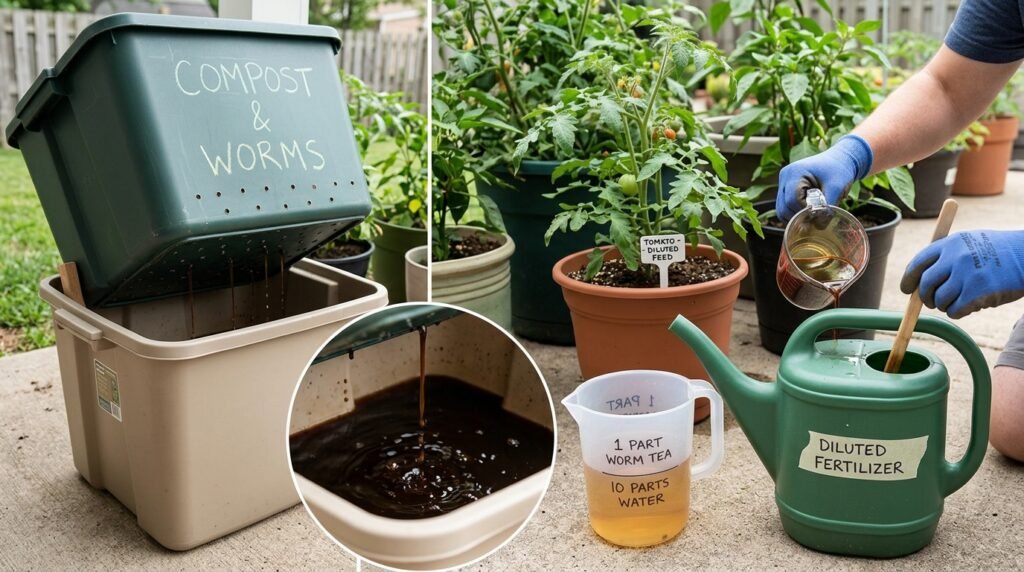
Applying your fresh dirt to patio containers
You do not plant seeds directly into pure worm castings. The material is far too dense and holds too much water for delicate vegetable roots. You use it as a powerful supplement instead of a primary potting soil.
Sprinkle a thick handful of finished castings across the surface of your potted plants. Every time you water the container, the liquid washes those nutrients down into the root zone. This simple top-dressing technique acts as a steady, slow-release organic fertilizer.
You can also mix the fresh material into old potting soil to revive it for spring planting. Discovering the best soil mix for a raised bed vegetable garden involves blending this rich organic matter with perlite and peat moss. The castings provide the actual food your plants need to produce a heavy harvest.
You do not need a sprawling backyard to recycle your kitchen waste into usable plant food. Grab a plastic tote, shred some old newspaper, and start saving your vegetable peels today. Choosing to make compost at home turns your daily trash into the most valuable asset your small garden will ever see.

Felipe Macedo is a home gardener and food grower based in Portland, Oregon. After killing his first three tomato plants, he became obsessed with figuring out how to grow real food in small spaces — on balconies, in containers, and in raised beds he built himself. At Chatinovax, he shares everything he learned the hard way so you don’t have to.