
Plant a single squash seed and you often end up with enough food to feed your entire apartment building. Most beginners assume these massive plants require a sprawling backyard farm to survive. You can absolutely grow zucchini in a small garden and harvest a ridiculous amount of fresh produce. You just need to choose the right plant variety and manage your limited space aggressively.
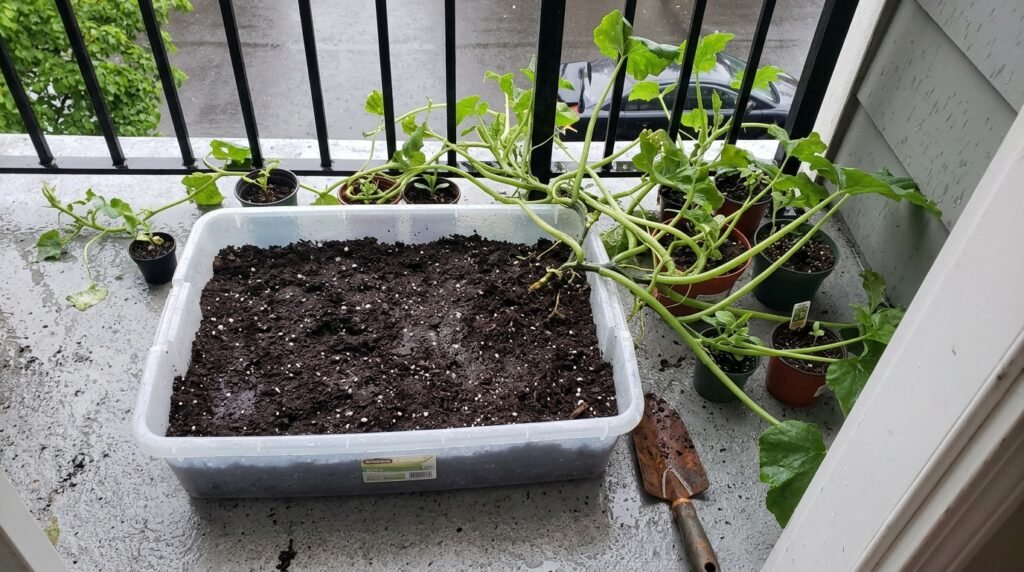
During my first year gardening, I planted a traditional vining type in a shallow plastic tub on my south-facing balcony. The constant Portland spring rain kept the dirt freezing cold and the massive vines eventually swallowed my entire patio. I tried chopping the leaves back with my cheap eight dollar trowel, but the plant completely suffocated my other crops. I learned quickly that managing these giants requires a strict strategy.
Why you should grow zucchini in a small garden this summer
Growing your own food teaches you exactly how much energy goes into producing a single vegetable. A healthy squash plant rewards that hard work by pushing out new fruit almost every single day. You will never have to buy bruised produce from the grocery store again.
You save massive amounts of money growing these heavy producers at home. A three dollar seed packet yields dozens of pounds of fresh food over a few short months. This specific crop provides the absolute highest return on investment for small space growers.
Learning to grow zucchini in a small garden starts with reading the seed packet carefully. You must maximize every square inch of your available sunlight. The large umbrella leaves capture solar energy incredibly efficiently, which translates directly into rapid growth and constant flower production.
Choosing compact bush varieties for tight spaces
Traditional varieties grow long vines that crawl ten feet across the dirt. You must actively avoid these aggressive spreaders when shopping for seeds this spring. Look exclusively for compact bush varieties designed specifically for container growing.
The seed experts at Burpee offer several patio-specific options that stay incredibly compact. Varieties like Astia or Spacemaster form a tight mound rather than a sprawling mess. These bush types produce the exact same sized fruit without taking over your entire patio.
Always check the back of the seed packet for the mature plant dimensions before you buy anything. You want a plant that maxes out at roughly three feet wide. Anything larger will quickly hang over the edge of your balcony railing.
Preparing the right soil for heavy feeders
Squash plants consume massive amounts of nutrients to produce all those heavy green fruits. Putting a hungry seedling into cheap dirt guarantees a terrible harvest. You must provide a premium foundation to support that rapid summer growth.
You need dirt that drains quickly but holds onto essential nutrients. Mixing plenty of perlite into your potting soil ensures the roots get enough oxygen to breathe. Dense mud chokes the root system and stunts the plant completely.
Reading up on the best soil mix for a raised bed vegetable garden helps you build the perfect environment. Add a heavy scoop of rich compost to your containers before you plant your seeds. This organic matter provides a steady supply of natural food throughout the summer.
Selecting the perfect container size
A massive plant requires a massive root system to anchor it against strong winds. You cannot grow a healthy squash plant in a tiny window box or a standard yogurt container. You must use a pot large enough to hold plenty of moisture during hot afternoons.
A five-gallon plastic bucket serves as the absolute minimum size for a single plant. A ten-gallon fabric grow bag works even better because the breathable felt prevents the roots from circling the edges. The fabric also allows excess water to escape instantly.
A non-obvious trick to save massive amounts of space
Even compact bush varieties spread out wider than you might expect by mid-July. The massive leaves stretch out horizontally and shade out your smaller patio crops. Here is a highly effective trick that forces the plant to grow straight up instead of out.
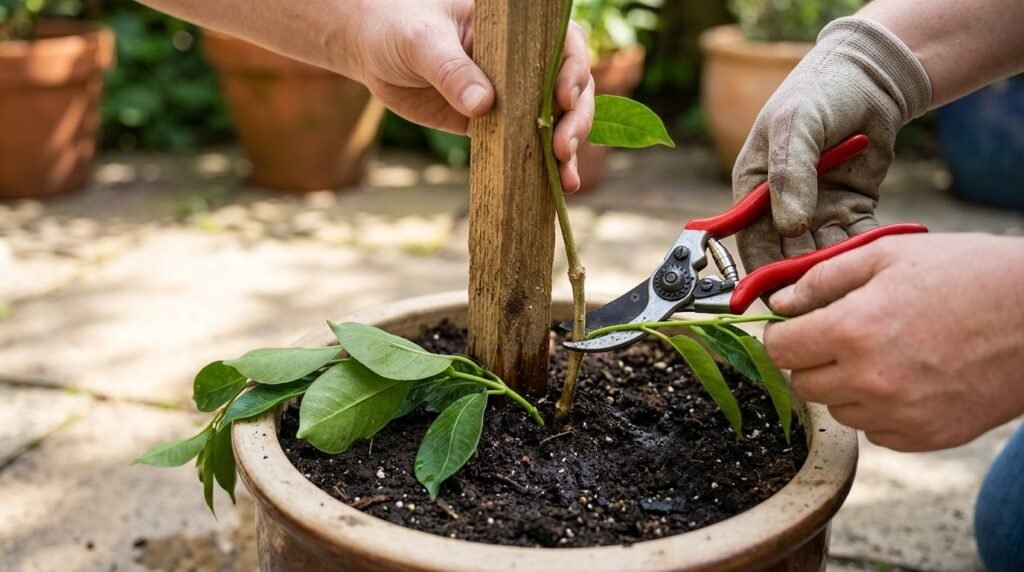
Drive a thick wooden stake deep into the dirt right next to the main plant stem. As the plant grows taller, tie the thick central stalk directly to the wooden post using soft garden twine. This vertical staking method cuts the physical footprint of the plant in half.
When you grow zucchini in a small garden using this vertical method, you completely improve the airflow around the leaves. Good airflow prevents dangerous fungal spores from settling on the damp foliage. You also make finding and harvesting the mature fruit significantly easier.
Pruning the lower leaves aggressively
Most beginners refuse to cut healthy green leaves off their prized patio plants. You actually need to remove the lowest leaves as the plant climbs up your wooden stake. Cut off any leaf that physically touches the potting soil.
Leaves resting on damp dirt rot quickly and invite soil pests to attack the main stem. Removing that bottom layer creates a clean gap between the dirt and the plant canopy. Use sharp bypass pruners to make clean cuts right at the main stalk.
Managing critical moisture levels during hot weather
These specific vegetables consist almost entirely of water. The massive green leaves also lose huge amounts of moisture through evaporation on a hot summer afternoon. You must stay highly consistent with your watering routine to keep the plant alive.
People trying to grow zucchini in a small garden often underestimate how fast a fabric bag dries out. The wind blows through the balcony and pulls moisture from the sides of the pot rapidly. You need to check the soil with your index finger every single morning.
If the top two inches of dirt feel completely dry, water the base of the plant heavily. Finding out how to water a vegetable garden without overwatering prevents you from accidentally drowning the roots. Always aim your hose directly at the dirt and keep the large leaves dry.
Feeding your crops for continuous production
Every watering session washes essential nutrients straight out the bottom drainage holes of your pots. The initial compost you added in the spring will run out of energy by early July. You must replace those nutrients to keep the flowers blooming.
Apply a liquid organic fertilizer every two weeks once the first yellow blossoms appear. Choose a formula high in potassium and phosphorus to encourage heavy fruit production. Too much nitrogen simply creates more green leaves and absolutely zero food.
Hand pollinating to guarantee a heavy harvest
Sometimes your healthy plant produces dozens of massive yellow flowers but absolutely no fruit. The flowers simply dry up and fall off the stem entirely. This frustrating problem happens when local bees fail to visit your balcony to pollinate the blossoms.
You can easily step in and do the job of the bees yourself using a standard cotton swab. Squash plants produce male and female flowers on the exact same main stalk. The female flowers have a tiny, miniature squash sitting directly behind the yellow petals.
Rub your swab gently inside the center of a male flower to collect the yellow pollen. Transfer that pollen directly onto the sticky center structure of the female flower. This manual process guarantees that the fruit will swell and mature properly.
Dealing with common powdery mildew
High humidity and stagnant air often lead to a frustrating fungal disease called powdery mildew. It looks exactly like someone dusted white baking flour all over your green leaves. It spreads rapidly and will eventually kill the entire plant if ignored.
If you decide to grow zucchini in a small garden, you must act the second you spot those white patches. Remove the infected leaves immediately and throw them straight into the garbage bag. Never put diseased leaves into your compost bin.
Learning how to prevent and treat powdery mildew on plants keeps your harvest safe. You can spray the remaining healthy leaves with a mixture of neem oil and water. This organic treatment stops the fungal spores from spreading further up the stalk.
Harvesting your crops at the perfect time
Leaving fruit on the vine for too long signals the plant to stop producing new flowers. The biological goal of the plant is simply to create mature seeds for next year. Once it finishes that job, it shuts down production and dies.
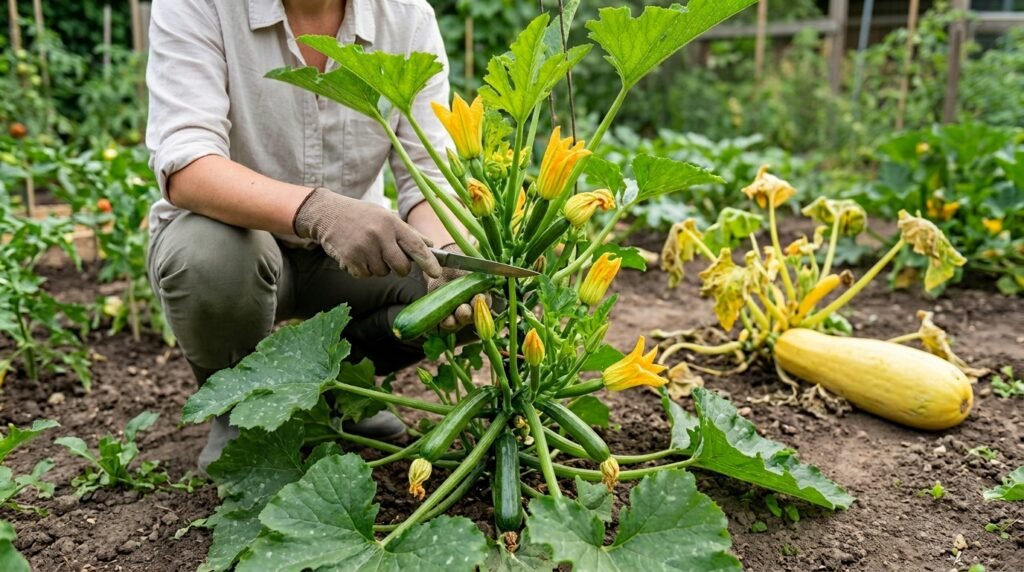
You must pick your food while it remains relatively small and firm. According to the gardening guides at The Old Farmer’s Almanac, the best flavor occurs when the fruit reaches about six inches long. Giant squash taste terribly bitter and have a horrible spongy texture inside.
Frequent harvesting forces the plant to push out new blossoms continuously. Your overall yield increases dramatically when you check the plant every single day. Use a sharp knife to cut the thick stem rather than twisting the vegetable by hand.
Storing your massive summer bounty
A single healthy plant will eventually produce more food than you can eat in a week. Do not wash the vegetables before you put them in the refrigerator. Excess moisture on the skin causes them to rot rapidly in the crisper drawer.
Store the unwashed fruit in a perforated plastic bag in the warmest part of your fridge. They will stay fresh and crisp for about ten days using this simple method. You can also shred the excess flesh and freeze it for baking bread later in the winter.
Turning a cramped concrete balcony into a productive farm takes a bit of planning and strict discipline. You cannot let massive plants run wild across your limited square footage. Securing the main stem to a strong wooden stake changes what your space can actually accomplish. Grab a large fabric bag, buy some compact bush seeds, and get ready for an endless summer harvest. It takes surprisingly little effort to grow zucchini in a small garden and feed yourself all season long.
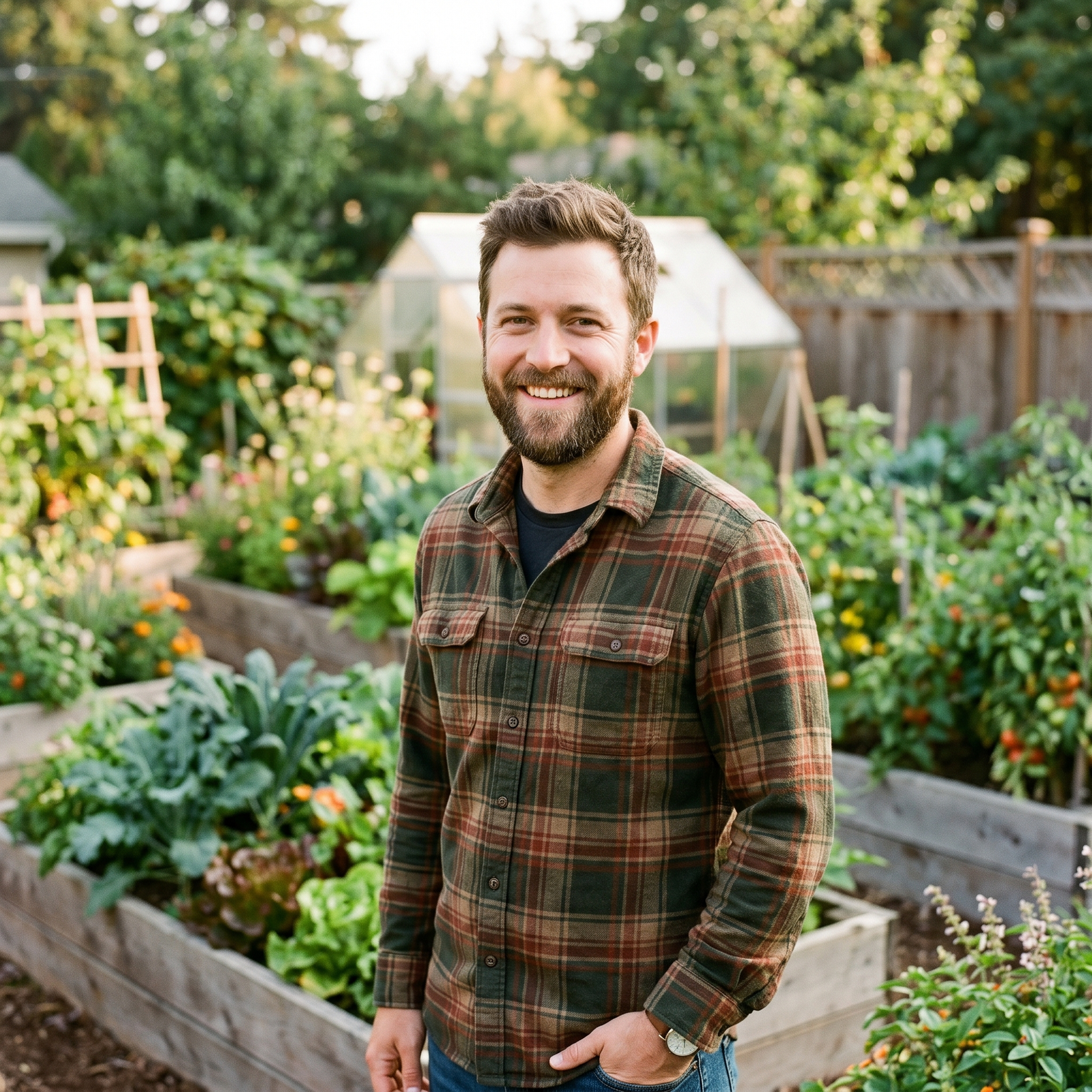
Felipe Macedo is a home gardener and food grower based in Portland, Oregon. After killing his first three tomato plants, he became obsessed with figuring out how to grow real food in small spaces — on balconies, in containers, and in raised beds he built himself. At Chatinovax, he shares everything he learned the hard way so you don’t have to.