
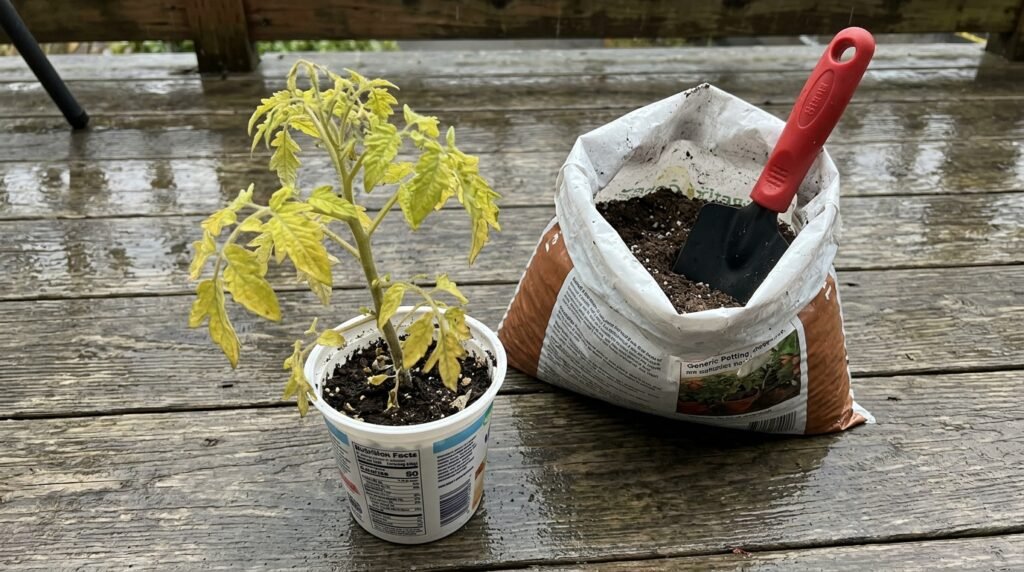
I remember starting my first patio garden here in Portland during a particularly wet spring. I had my recycled yogurt containers and my basic eight dollar trowel ready to go. I bought cheap bagged potting dirt and assumed the plants would just grow completely on their own without any help. By July, my tomato plants looked entirely starved and stopped producing flowers entirely. You absolutely must learn how to fertilize a vegetable garden organically if you want a massive harvest in a small space. Container plants rely completely on you for their daily meals because their roots cannot reach into the deep earth.
Why you must fertilize a vegetable garden organically
Chemical fertilizers act exactly like a fast sugar rush for your patio plants. They pump the roots full of synthetic nitrogen and force rapid green growth almost overnight. This unnatural speed creates incredibly weak cellular walls that attract hungry pests and terrible fungal diseases. When you learn to fertilize a vegetable garden organically, you create strong and resilient plants that survive a harsh summer afternoon easily.
Choosing to fertilize a vegetable garden organically builds long term health in your potting soil. Organic materials break down slowly over several months and feed the beneficial microbes living in your containers. These microscopic helpers convert the raw organic matter into highly usable food for your vegetable roots. A healthy soil ecosystem naturally protects your crops from aggressive soil born diseases.
Reading the three numbers on the bag
Every bag of plant food displays three bold numbers representing nitrogen, phosphorus, and potassium. Nitrogen pushes heavy leaf growth and makes your container lettuce look incredibly green and healthy. Phosphorus helps the plant develop a massive root system and triggers heavy summer blooming for your peppers.
Potassium protects the overall health of the plant and helps it fight off environmental stress. You want to look for a completely balanced organic fertilizer for your general patio needs. Using a balanced feed is the smartest way to fertilize a vegetable garden organically because it prevents you from accidentally burning your fragile seedling roots.
Building a rich foundation before planting day
You cannot wait until your plants look starved and yellow to start feeding them. You must mix solid organic food directly into your empty pots before you plant a single summer seed. Adding a massive scoop of quality compost provides a gentle baseline of nutrition for the entire growing season.
Checking the best soil mix for a raised bed vegetable garden shows you exactly how to prep your balcony dirt. Mix a handful of dry organic granular fertilizer deep into the bottom half of the plastic pot. The plant roots will eventually grow straight down and find this buried treasure exactly when they need it most.
Applying dry granular fertilizers correctly
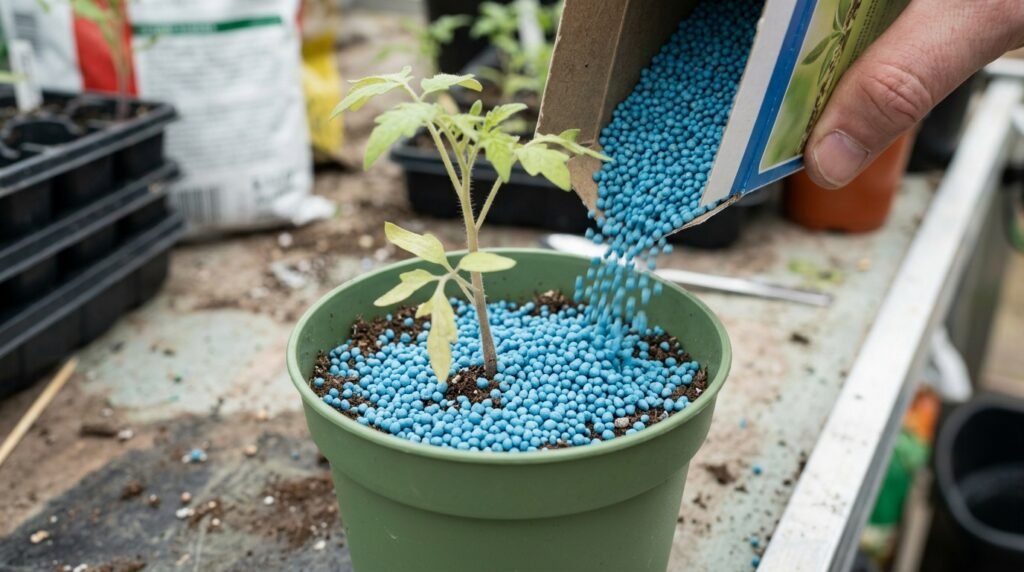
Never dump a giant pile of dry fertilizer directly against the main green plant stem. Concentrated organic matter will physically burn the delicate plant tissue and cause severe scarring instantly. You must sprinkle the dry food in a wide circle around the outer edge of the plastic pot.
Use your bare fingers to scratch the granular pieces gently into the top inch of the dirt. Water the container heavily immediately after applying the dry plant food to the surface. The water activates the dry organic material and washes the nutrients down into the active root zone.
A non-obvious trick using leftover banana peels
Fruiting plants like peppers and tomatoes require massive amounts of potassium to produce sweet and heavy food. You can easily buy expensive organic potassium supplements at the local neighborhood hardware store. You can also make a highly effective potassium liquid feed using common kitchen waste sitting on your counter.
Take three empty banana peels and drop them into a large glass mason jar filled with warm tap water. Put the lid on the jar tightly and let it sit on your patio table for exactly three days. The water physically pulls the raw potassium directly out of the fruit skins and turns slightly cloudy.
Using your homemade potassium water
Remove the slimy peels from the jar and throw them straight into your trash bin. Pour this nutrient dense liquid directly onto the soil around your heaviest fruiting plants once a week. This completely free liquid helps the plant produce significantly larger and sweeter vegetables by late August.
You successfully fertilize a vegetable garden organically using garbage you normally throw away without a second thought. This practical trick saves you cash and creates an incredibly sustainable cycle right on your concrete balcony.
How to fertilize a vegetable garden organically with liquids
Granular fertilizers take several weeks to break down completely and become available to the plant roots. Sometimes your plants look incredibly pale and need a massive injection of food immediately to survive. Liquid organic fertilizers provide a rapid boost of nutrition that the plant absorbs almost instantly through the soil.
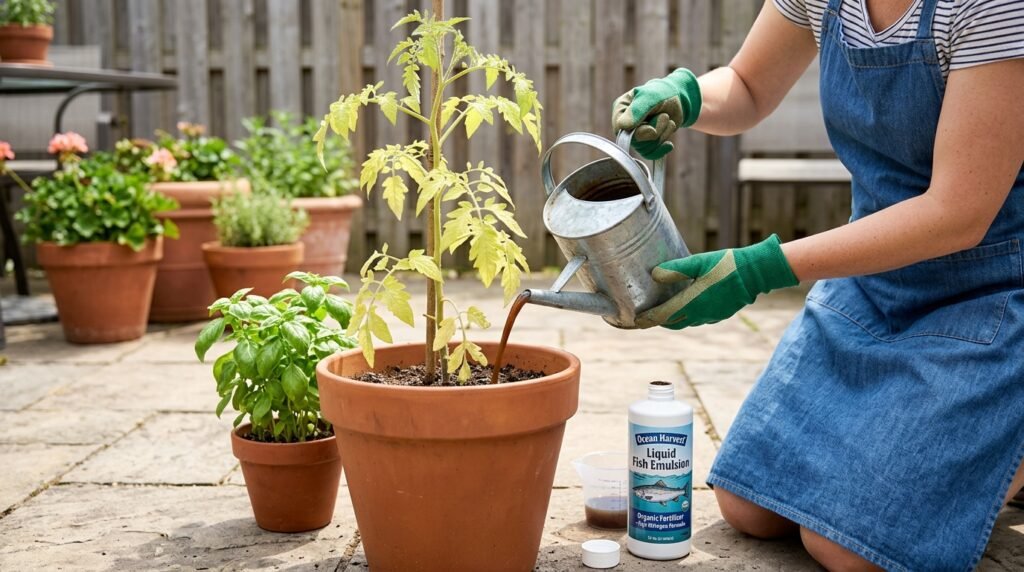
Liquid fish emulsion remains the absolute best emergency food for starving patio crops in the summer. It smells terrible for about an hour but delivers incredible growth results within two short days. The experts at Gardening Know How strongly recommend using fish emulsion to correct severe nitrogen shortages quickly.
Timing your liquid fertilizer applications
You must dilute the thick fish emulsion heavily with fresh water before applying it to your plastic pots. Follow the exact measurements printed on the side of the plastic bottle to avoid burning the fragile roots. Never spray liquid fertilizer directly onto your plants during the middle of a hot summer afternoon.
The intense sun will bake the liquid onto the green leaves and cause permanent chemical burns immediately. Always apply your liquid feeds early in the morning or right as the sun sets behind the local trees. This specific timing gives the roots plenty of time to drink the nutrients safely and efficiently.
Fixing specific nutrient shortages quickly
Sometimes you follow all the basic rules and still end up with sad looking plants on your patio. You might spot pale foliage indicating a serious lack of available soil nutrients hidden underground. Reviewing how to deal with yellow leaves on vegetable plants helps you diagnose the specific mineral shortage accurately.
Yellow leaves with dark green veins usually indicate a severe lack of magnesium in the potting soil. You can fix this specific issue by dissolving plain Epsom salts directly in your watering can. A quick mineral soak restores the deep green color almost overnight and gets the plant growing again.
Adding calcium to stop rotting tomatoes
Tomatoes often develop a disgusting black rotten spot on the very bottom of the heavy fruit. This frustrating condition happens when the plant cannot find enough available calcium in the potting soil. You must provide a steady source of natural calcium to keep the fruit firm and completely intact.
Crush dry eggshells into a fine powder and mix them directly into your planting holes in the early spring. The shells break down slowly and provide vital calcium throughout the entire summer growing season. You never have to throw away ruined tomatoes again when you prep your soil correctly.
Using household compost to fertilize a vegetable garden organically
Store bought organic fertilizers work perfectly well but they definitely cost real money every single spring. You can generate premium plant food completely for free by simply saving your daily kitchen scraps. Coffee grounds and vegetable peelings contain everything your balcony plants need to thrive all year.
Learning how to make compost at home in a small space turns your daily garbage into black gold. A small plastic bucket with a tight lid works perfectly on a cramped apartment patio. You just mix the food scraps with shredded cardboard and wait a few months for the magic to happen.
Applying homemade compost safely
Finished compost looks exactly like dark potting soil and smells like a clean and wet forest floor. You can use this finished material to top dress your hungry summer pots during the hottest months. Spread a thick layer of compost across the top of the dirt right before you grab your watering can.
The water washes the trapped nutrients slowly down into the active root system hidden below. This gentle feeding method never burns the plants and drastically improves the overall texture of your dirt. It represents the absolute cheapest way to feed your crops all summer long.
Recognizing when you overfeed your container crops
Beginners often panic and dump way too much food into their small plastic pots out of sheer desperation. You can actually poison your vegetables completely by trying to be too helpful with the fertilizer box. Too much nitrogen forces the plant to push out massive leaves but absolutely zero edible flowers.
The edges of the green leaves will actually turn brown and crispy if the soil becomes too rich. The concentrated salts in the fertilizer burn the microscopic root hairs underground completely off the plant. The damaged plant stops drinking water and wilts heavily despite sitting in soaking wet dirt.
Flushing out excess nutrients
If you accidentally dump too much food into a pot, you must act quickly to save the sick plant. Grab your hose and flood the container with fresh water repeatedly for about ten full minutes. You want the water to pour rapidly out of the bottom drainage holes onto the concrete patio.
This heavy flooding washes the excess fertilizer salts straight out of the potting dirt and away from the roots. Let the container dry out completely over the next week before watering it again. The plant will eventually recover and start producing fresh green growth within a few weeks.
Growing massive vegetables in small containers requires a bit of strategy and daily observation. Your plants rely totally on you to deliver the right nutrients exactly at the right time. You just need to build a strong soil foundation and provide gentle, consistent meals all summer long. It takes very little actual effort to fertilize a vegetable garden organically and safely on a balcony. Grab a box of balanced granular food and start feeding those hungry patio pots today.
Felipe Macedo is a home gardener and food grower based in Portland, Oregon. After killing his first three tomato plants, he became obsessed with figuring out how to grow real food in small spaces — on balconies, in containers, and in raised beds he built himself. At Chatinovax, he shares everything he learned the hard way so you don’t have to.