
Buying those plastic clamshells of salad greens at the supermarket drains your grocery budget fast. The leaves usually turn into green slime at the bottom of your crisper drawer before you even open the lid. You can bypass this frustrating cycle entirely when you decide to grow spinach in containers right on your patio. It takes up almost zero space and provides fresh food for months.
During my first autumn living in Portland, the chilly Oregon rain convinced me my gardening season was completely over. I left my DIY wooden boxes empty and tossed my trusty eight-dollar trowel into a closet. A neighbor convinced me to throw some cold hardy seeds into my old yogurt cups just to see what would happen. Those tiny cups produced enough fresh greens to feed me through November.
Why you should grow spinach in containers this year
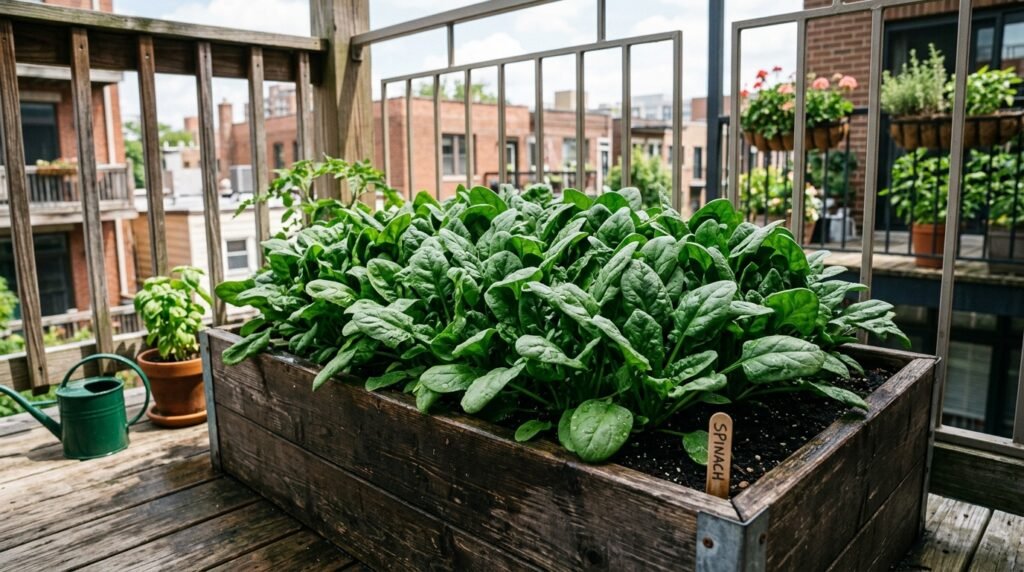
Most beginners assume they need a massive backyard plot to cultivate leafy greens. You can easily grow spinach in containers because the plants feature incredibly shallow root systems. They do not need deep buckets or heavy wooden boxes to anchor themselves securely. A simple window box or a cheap plastic tub provides plenty of room for a massive harvest.
This specific crop grows fast and stays close to the soil surface. You can squeeze a dozen plants into a space the size of a standard welcome mat. Deciding to grow spinach in containers maximizes every single inch of your limited apartment balcony. You harvest a ridiculous amount of food from a very small physical footprint.
Growing your own greens gives you total control over the soil and the fertilizer. You never have to worry about chemical pesticide residue covering your future salad. The crisp texture of a leaf picked five minutes before dinner absolutely ruins store bought produce for you.
Understanding the cool weather requirement
These delicate green leaves absolutely hate the brutal summer heat. When the temperature spikes above seventy-five degrees, the plant panics and immediately stops producing edible food. It shoots a thick stalk straight up into the air and produces bitter seeds instead. This biological survival process is called bolting.
You must plant these seeds during the cool shoulder seasons of early spring and late autumn. Reading about 10 beginner gardening mistakes and how to fix them reminds you to always respect seasonal timing. Forcing cool weather crops into July heat guarantees a completely ruined harvest.
You can actually grow a massive crop right through the mild Oregon winters. The light frost makes the green leaves taste significantly sweeter by forcing the plant to produce natural sugars.
Choosing the right pots for your patio crop
You do not need to buy expensive decorative planters to succeed with this fast growing crop. The plant only requires about six inches of soil depth to develop a healthy root mass. You can repurpose old plastic storage bins, shallow wooden crates, or wide fabric grow bags.
Wide and shallow containers work much better than tall and narrow buckets. You want maximum surface area so you can scatter as many seeds as possible across the dirt. You can grow spinach in containers of almost any shape as long as water can escape the bottom freely.
Standing water rots the fragile roots overnight. Grab a power drill and punch several large holes directly into the bottom of whatever plastic vessel you choose. A cheap saucer placed underneath catches the excess water and protects your concrete patio floor.
Prepping the perfect soil mix
Heavy ground dirt turns into a solid brick inside a small plastic tub. You must use a fluffy potting mix designed specifically for patio growing. Mix a heavy scoop of organic compost into your dirt before you plant anything.
Leafy greens consume plenty of nitrogen to build their cellular structure quickly. Checking the best soil mix for a raised bed vegetable garden helps you create the perfect nutrient foundation. The compost provides a slow and steady feed that keeps the foliage dark green and healthy.
Add a handful of perlite to the mix to guarantee the dirt drains properly after a heavy rainstorm. Fluffy soil allows the fine root hairs to breathe and prevents them from drowning in the mud.
Sowing seeds for a heavy harvest
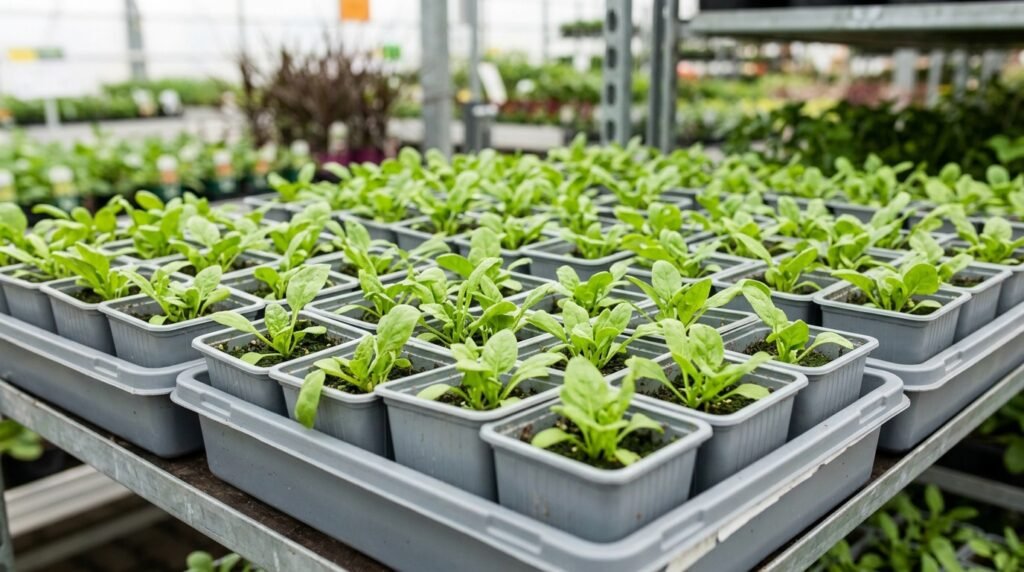
You should never buy established green seedlings from a garden center in small plastic pots. Their roots hate being disturbed and the plants often bolt the second you transplant them. You must push the raw seeds directly into your final patio containers for the absolute best results.
Spread the seeds across the damp surface of your potting soil. You want to leave about three inches of empty space between every single seed. When you grow spinach in containers, giving the leaves a little breathing room prevents destructive fungal diseases from taking hold.
Cover the seeds with a very thin layer of fine potting dirt and press down gently. The seeds need solid physical contact with the damp earth to wake up and start growing.
A non-obvious trick for faster germination
These specific seeds possess a tough outer shell that repels water naturally. They often sit in the cold spring dirt for weeks doing absolutely nothing. You can force them to sprout in just a few days using a simple kitchen trick.
Place your dry seeds in a small glass jar and cover them with plain tap water. Let them soak on your kitchen counter for exactly twenty four hours before planting them outside. The experts at Burpee recommend this process to soften the hard outer shell completely.
This non-obvious step practically guarantees an even and rapid germination rate across your entire patio farm. You save weeks of waiting and get to harvest your fresh food much earlier in the season.
Managing light and water effectively
Finding the right balance of sunlight dictates the overall success of your patio crops. During the early spring, these plants want as much direct solar energy as they can possibly get. Place your pots in a south facing corner to soak up the warming morning rays.
As the season progresses and the days get much warmer, the sun becomes an actual threat. You can easily grow spinach in containers longer into the season if you manage the heat. Slide your plastic pots into a partially shaded area of your balcony when May arrives.
The moving shadows protect the delicate leaves from cooking in the harsh afternoon temperatures. A cooler soil temperature tricks the plant into thinking it is still early spring.
Watering without causing fungal disease
Leafy greens require consistent moisture to remain crisp and sweet. If the dirt dries out completely, the leaves turn tough and develop a terrible bitter flavor. You must check the top inch of your potting soil every single morning.
Apply water strictly to the base of the plant using a watering can with a long spout. Splashing dirty water onto the green leaves invites aggressive powdery mildew spores to destroy your harvest. Understanding how to water a vegetable garden without overwatering keeps the roots hydrated and the foliage clean.
Always water your patio plants early in the morning rather than late at night. The morning sun dries off any accidental splashing before the cold night air settles over the balcony.
Defending your crop from sneaky patio pests
Soft green leaves attract hungry insects from all over your neighborhood. Aphids love to hide underneath the foliage and suck the sweet sap directly out of the plant veins. You must flip the leaves over daily and inspect them for tiny green bugs hiding in the shadows.
Leaf miners pose an even bigger threat to people trying to grow spinach in containers. These tiny flies lay eggs inside the actual leaf tissue. The hatched larvae tunnel through the green leaf and leave ugly white squiggly trails behind them.
You cannot wash these bugs off because they live inside the biological structure of the plant. Pluck off any affected leaves immediately and throw them directly into the trash bin to stop the spread.
Using physical barriers for protection
Chemical sprays ruin your food and harm the helpful bees visiting your patio. You should rely entirely on physical barriers to keep the flying insects away from your crops. Draping a lightweight floating row cover over your pots solves the bug problem instantly.
The agricultural guides at The Old Farmer’s Almanac suggest securing the fabric tightly around the rim of your container. Sunlight and rain pass right through the mesh, but the flying insects cannot reach the leaves to lay their destructive eggs.
You can remove the cover entirely once the plants grow large enough to defend themselves. This simple physical shield saves you from fighting massive bug infestations all season long.
Harvesting techniques for continuous yields
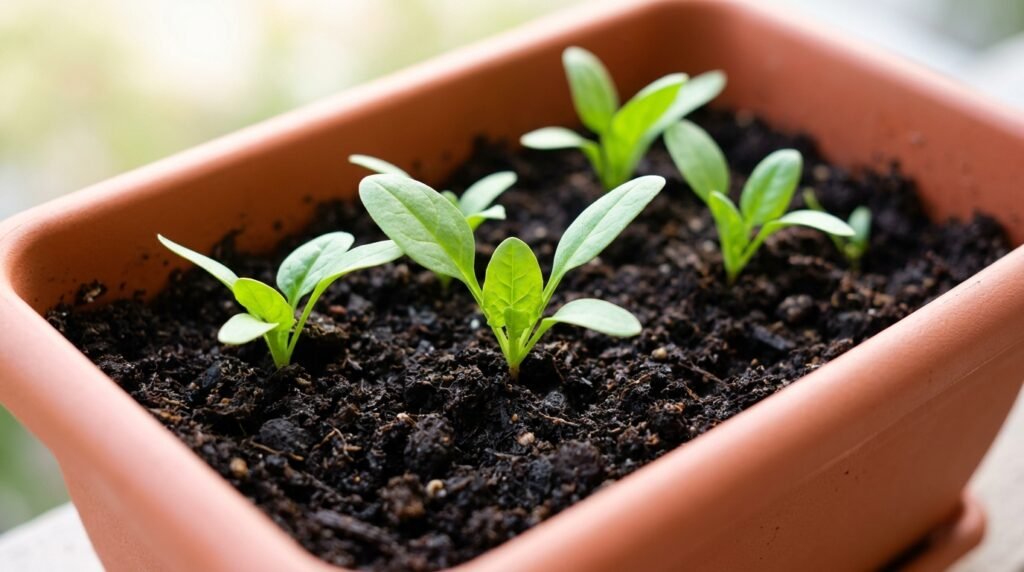
You do not have to wait until the plant reaches full maturity to start eating fresh food. You can begin picking tender baby leaves just four weeks after you plant the soaked seeds. These young leaves taste incredibly sweet and work perfectly in raw salads.
To keep the plant producing, you must use the classic cut and come again harvesting method. Take a sharp pair of bypass pruners and snip off the oldest, outermost leaves near the bottom dirt line. Leave the tiny new leaves in the center of the plant completely intact.
When you grow spinach in containers using this method, the plant continuously pushes out fresh growth to replace what you took. You can harvest from the exact same plant three or four times before it finally stops producing.
Preserving your massive autumn harvest
A healthy container garden will eventually produce more greens than you can eat in a single week. Storing the unwashed leaves inside a perforated plastic bag in your crisper drawer keeps them fresh for several days. Washing the leaves before storage causes rapid rotting and massive slimy messes.
You can also quickly blanch the excess leaves in boiling water and freeze them in small batches. This frozen block works perfectly for throwing into winter soups or morning smoothies. Freezing stops the clock entirely and preserves the nutrients for the dark winter months.
Growing your own fresh salad greens takes very little effort and saves you serious cash at the grocery store. You do not need a sprawling backyard farm or expensive agricultural equipment to succeed. A few cheap plastic tubs and some quality dirt provide everything these tough little plants need. Pay attention to the temperature and keep the soil consistently damp. You will quickly discover how simple it is to grow spinach in containers and feed yourself all season long.
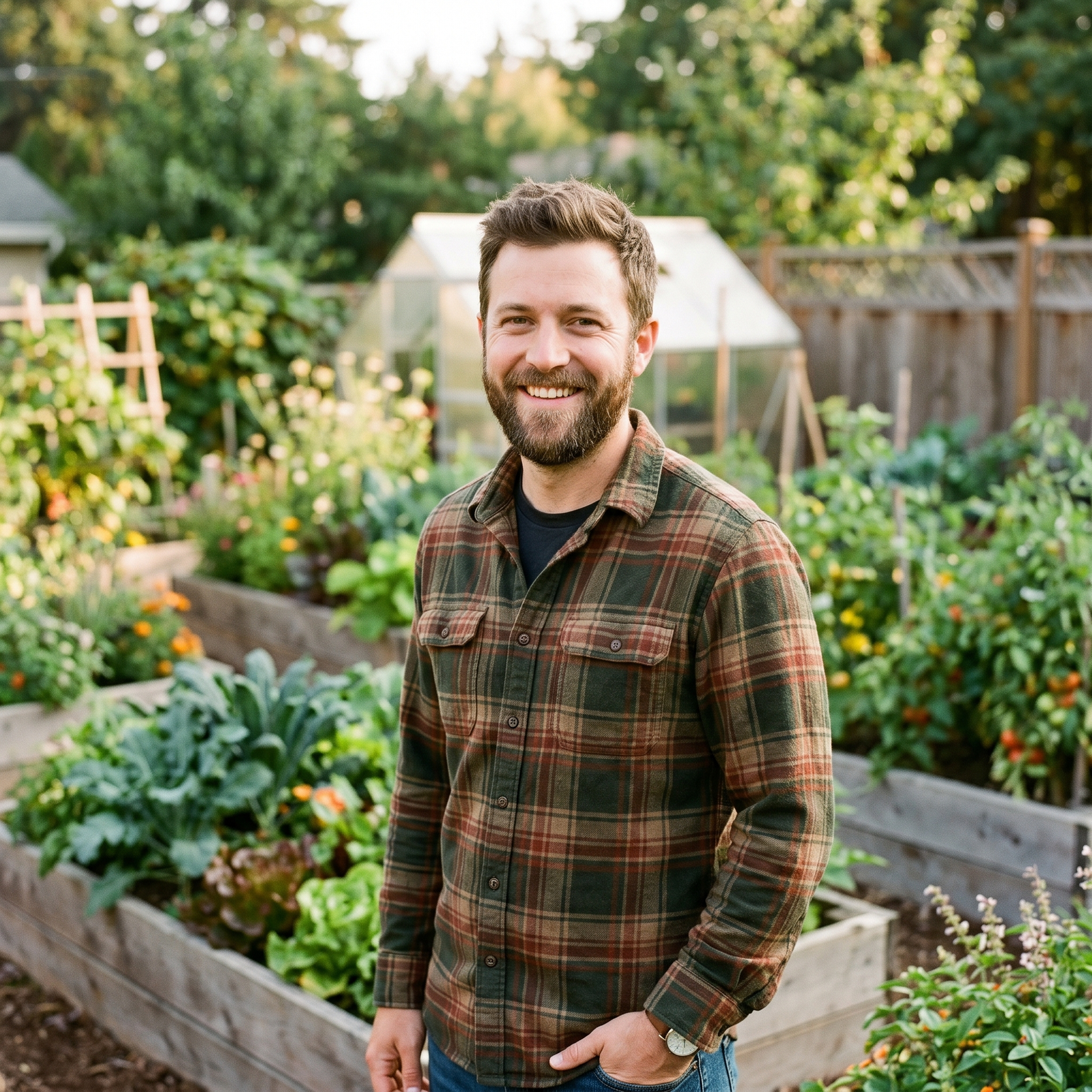
Felipe Macedo is a home gardener and food grower based in Portland, Oregon. After killing his first three tomato plants, he became obsessed with figuring out how to grow real food in small spaces — on balconies, in containers, and in raised beds he built himself. At Chatinovax, he shares everything he learned the hard way so you don’t have to.