
I remember staring at my very first green tomato during a classic cloudy Portland summer. I started my tiny balcony farm with a few recycled yogurt containers and my trusty eight dollar trowel. I watered that specific tomato plant every single day and waited impatiently for it to turn bright red. I ended up picking it way too early out of pure excitement. I sliced into a hard, sour piece of fruit that tasted worse than cardboard. You put months of hard physical work into your patio containers. You need to know exactly when vegetables are ready to harvest so you do not ruin your own food.
Why timing matters for your patio farm
If you pick a vegetable too early, it tastes incredibly bitter and lacks proper nutritional value. The plant simply has not had enough time to pump natural sugars into the flesh. If you leave it on the vine too long, the plant stops producing completely. The plant thinks it finished its biological job of making mature seeds. It shuts down flower production and focuses entirely on dying.
Frequent picking actually forces your plants to grow even more food. This process keeps your small balcony farm highly productive all summer long. You get a continuous supply of fresh ingredients rather than one massive, overwhelming harvest.
Trusting your eyes and your hands
Color changes provide the most obvious visual clue for beginners managing a patio garden. A deep red tomato or a bright orange carrot signals maturity perfectly. You also need to use your bare hands to feel the physical firmness of the fruit. Gently squeeze the sides of a pepper to check the internal water pressure.
A ripe vegetable feels heavy for its size and slightly firm to the touch. If the skin feels mushy or wrinkled, you waited way too long to pick it. The food becomes overripe and begins to rot straight on the vine.
Exactly when vegetables are ready to harvest for maximum flavor
Every single plant family follows a completely different biological clock. You cannot treat a root crop the exact same way you treat a leafy green. Understanding these core differences saves you from eating terrible food. A perfectly ripe cucumber looks entirely different than a mature squash.
Reading the easiest vegetables to grow for beginners helps you match fast crops to your available space. Fast crops give you quick wins while you wait patiently for the heavy summer fruit to ripen.
Sizing up your summer squash
Beginners often let their zucchini grow into massive baseball bats out of sheer pride. Giant squash look impressive but taste absolutely terrible on a dinner plate. The inside turns into a spongy mess filled with hard white seeds. The thick skin becomes impossible to chew or cook properly.
You want to cut zucchini off the main stem when they reach about six inches long. The skin should feel incredibly tender and look glossy green. Frequent harvesting keeps the plant pushing out new yellow flowers constantly.
A non-obvious trick for perfectly ripe melons
Growing small patio melons in a wooden box takes a massive amount of patience. You stare at a green orb for weeks wondering if it tastes sweet yet. Most people just thump the thick rind and guess wildly. This guessing game usually ends with a terrible, flavorless dessert.
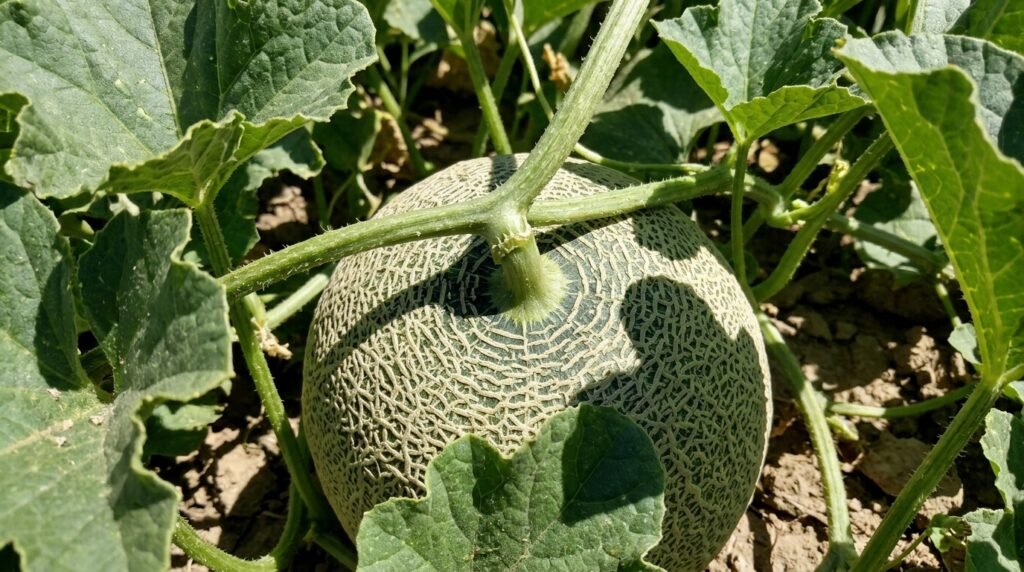
Look closely at the tiny curly tendril right next to where the melon attaches to the main vine. When that specific curly tendril turns completely brown and dries up, the fruit is perfectly ripe. This non-obvious indicator never lies and guarantees a sweet harvest every single time.
The slip stage for cantaloupes
Some melons tell you they are finished growing by literally detaching themselves from the plant. When a cantaloupe reaches full maturity, the stem forms a small crack right at the top of the fruit. You can gently lift the melon and it will slip right off the vine with zero pulling. The plant literally hands you the finished product.
If you have to yank the vine with physical force, the fruit needs more time in the sun. Patience prevents you from cutting into hard, tasteless melon slices on a hot afternoon.
Finding out when vegetables are ready to harvest underground
Root crops hide their progress completely buried in the dark potting soil. You cannot see the actual food growing, which causes serious anxiety for new apartment gardeners. You have to read the physical clues left above the dirt line. You cannot just pull plants up to check on them because it ruins the fragile root system permanently.
Carrots and radishes will naturally push their top shoulders out of the dirt as they swell. You can gently brush the topsoil away with your index finger to check the actual diameter of the root. This lets you inspect the food without pulling the plant out entirely.
Watching the green leafy tops
The green tops also signal maturity for many underground bulb crops. When onions or garlic reach their maximum size, the tall green stalks turn yellow and flop over entirely. This physical collapse tells you the plant stopped growing completely. The energy moves out of the green leaves and concentrates heavily inside the underground bulb.
Wait for a dry week to pull your bulbs out of the potting dirt. Wet soil causes the outer paper skins to rot during winter storage. You want the skins completely dry before you bring the food inside.
Harvesting tomatoes and peppers at the right time
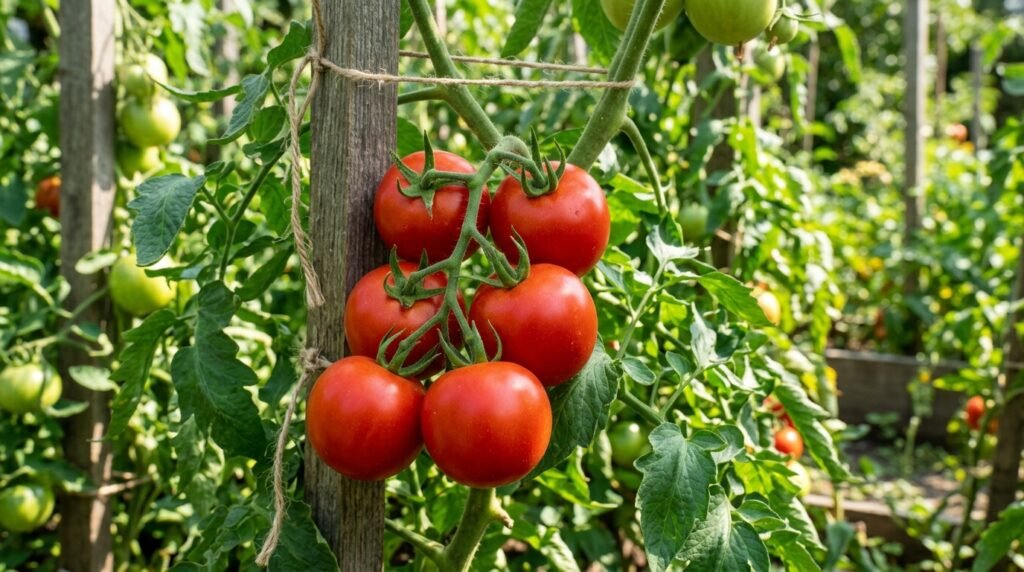
Tomatoes change color from the bottom tip up to the top green stem. You want to wait until the entire fruit displays a solid, deep color. A perfectly ripe tomato yields slightly when you press your thumb gently against the skin. A rock hard tomato needs several more days of warm sunshine to soften properly.
Reviewing how to grow tomatoes in containers on a balcony teaches you about different color varieties. Some heirloom tomatoes stay completely green or turn dark purple when fully ripe.
The truth about ripening indoors
You do not always have to leave tomatoes outside until they turn completely red. When the fruit shows a slight blush of color at the bottom, it seals itself off from the main stem. You can pick it at this stage and let it ripen safely on your kitchen counter. It pulls zero additional nutrients from the dirt once that bottom blush appears.
This protects your hard work from hungry patio birds and sudden heavy rainstorms. The flavor remains exactly the same as a tomato left on the vine. This strategy saves dozens of perfect tomatoes from total ruin every August.
Knowing when vegetables are ready to harvest in the fall
Autumn weather changes the flavor profile of your crops dramatically. Here in Portland, the first light frost usually arrives in late October. This sudden temperature drop causes many plants to panic and produce natural sugars. The sugars act like a natural antifreeze inside the plant cells.
Kale and carrots taste significantly sweeter after they survive a light freeze on a balcony. The cold weather turns starchy roots into incredibly sweet treats. You should leave these tough crops outside as long as possible.
Protecting crops from a hard freeze
A light frost improves flavor, but a solid freeze turns your food into dark mush. You must watch your local weather forecast closely in November. If the temperature threatens to drop below twenty eight degrees, you must pick everything immediately. The freezing water bursts the cellular walls and destroys the texture of your vegetables permanently.
Checking the regional advice at The Old Farmer’s Almanac helps you prepare for these brutal winter storms. You can store the excess harvest safely inside your apartment before the ice arrives.
The signs indicating when vegetables are ready to harvest on vines
Climbing plants like green beans produce food incredibly fast during the peak of summer. You have to check your wooden trellises every single day in August. The green pods hide perfectly against the dark green leaves of the main plant. You can easily miss a massive harvest if you do not physically move the foliage aside.
You should pick green beans before the inner seeds swell up completely. The outer pod should look perfectly smooth and snap easily in half. If you see large bumps on the pod, you waited way too long.
Harvesting peas for maximum sweetness
Snow peas follow the exact same rule as climbing green beans. You want the flat pods to feel crisp and look bright green. If you let the inner peas grow too large, the outer pod turns tough and stringy. The energy goes straight into the heavy seeds rather than the edible pod.
Always use two hands when picking food off a climbing vine. Hold the main stem securely with one hand while you pull the pod away with the other. This two handed approach prevents you from ripping the fragile vine entirely off the trellis.
Tracking dates to predict when vegetables are ready to harvest
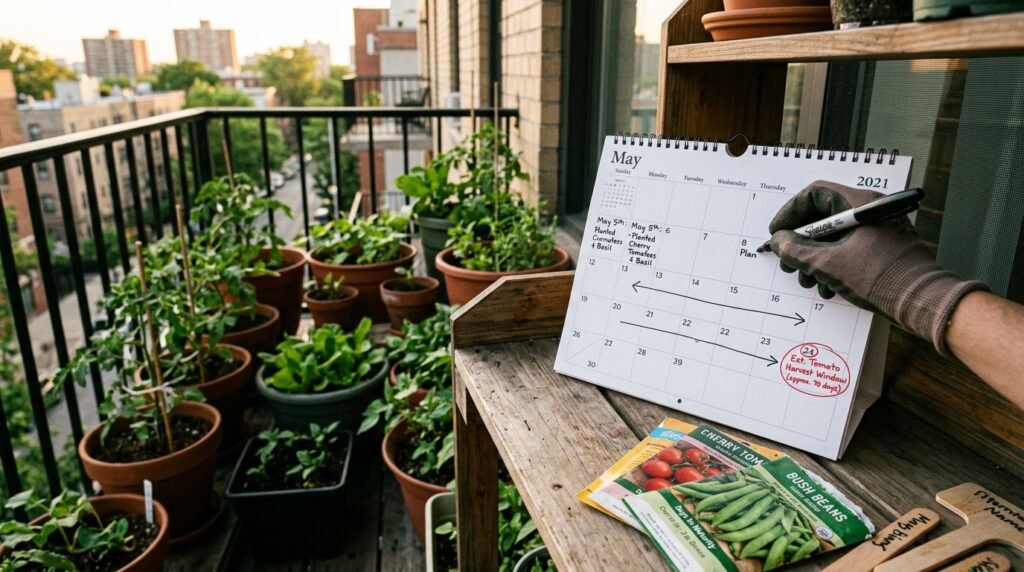
Memory fails quickly when you manage a dozen different pots on a small balcony. You need a reliable system to track your progress and predict maturity accurately. Every seed packet tells you the estimated days to maturity printed clearly on the back. This number assumes perfect growing conditions with massive amounts of daily sunshine.
Write down the exact date you planted the seeds on a physical kitchen calendar. Count forward using that maturity number to find your estimated picking window. This calendar method gives you a solid timeline for your entire patio farm.
Using environmental clues over exact dates
The seed packet gives you a solid guess, but the weather dictates the final reality. A cloudy, cold spring will delay your entire harvest by several weeks. You must combine the calendar date with physical observation to get the timing exactly right. Nature does not follow a strict corporate schedule.
If the calendar says your radishes are done, but the shoulders look tiny, leave them in the dirt. You must trust your eyes over the printed math. Understanding how to start a vegetable garden at home with no experience means learning to read the actual plants.
Knowing exactly when vegetables are ready to harvest takes a bit of practice and daily observation. You have to touch the fruit, check the stems, and watch the local weather forecast closely. Over time, you build an instinct for perfectly ripe food. You stop guessing wildly and start picking your crops at their absolute peak flavor. Keep your hand trowel ready and check those patio containers every single morning. You will quickly figure out when vegetables are ready to harvest and enjoy the absolute best food of your life. You earn every single bite of that fresh balcony harvest.
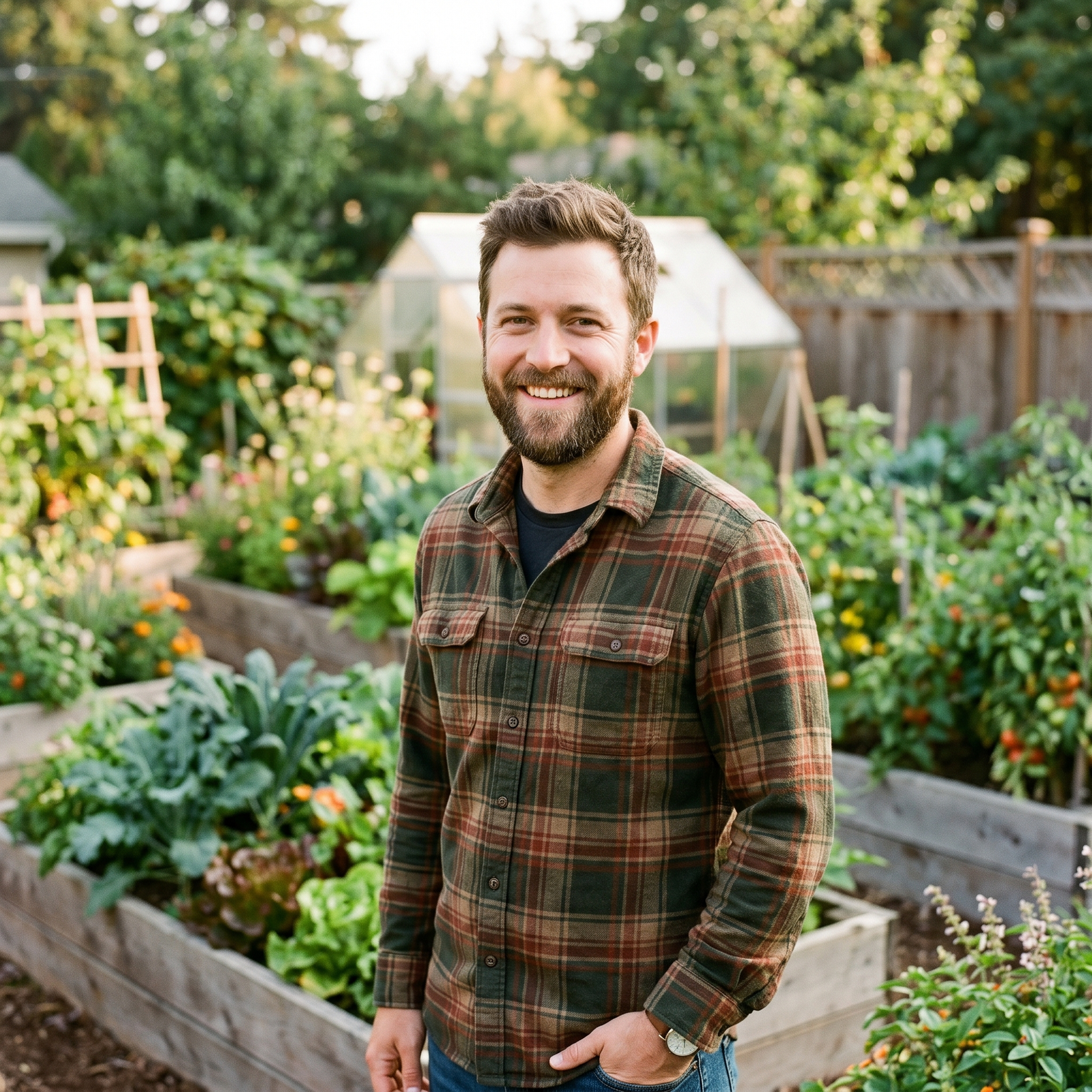
Felipe Macedo is a home gardener and food grower based in Portland, Oregon. After killing his first three tomato plants, he became obsessed with figuring out how to grow real food in small spaces — on balconies, in containers, and in raised beds he built himself. At Chatinovax, he shares everything he learned the hard way so you don’t have to.