
Staring at an empty patio makes growing food feel impossible. You see perfectly built raised beds online and assume you lack the money or the skills. That assumption keeps too many people from experiencing the taste of a real tomato. You do not need property or permanent infrastructure to grow your own food.
The desire to start a vegetable garden at home requires just a few basic supplies and a willingness to learn. You can grow heavy yields of fresh food on a small balcony or a concrete slab. The process is simpler than the garden centers want you to believe.
How to start a vegetable garden at home with simple tools
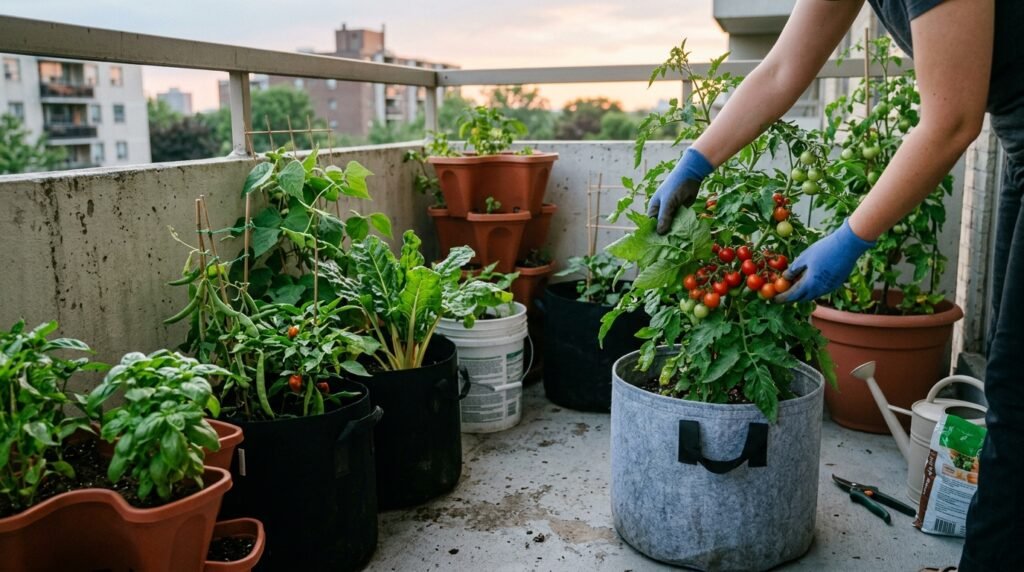
Five years ago I stood on my rented Portland balcony looking at a stack of washed yogurt containers. My budget was almost nothing and my only tool was an eight-dollar hand trowel from Fred Meyer. That cheap setup taught me exactly how resilient plants actually are.
You do not need to build cedar boxes or install expensive drip irrigation right away. Finding the motivation to start a vegetable garden at home begins with keeping things incredibly simple. Buy a few five-gallon fabric grow bags. They cost a few dollars each and drain perfectly.
Moving them around is easy when you rent or need to chase the shifting seasonal light. A standard five-gallon bag holds enough dirt for one large pepper plant and takes up very little floor space. I have moved three times in five years and my garden always comes with me.
Map your available sunlight
Plants require serious energy to produce edible food. Ambient daylight is not enough to grow heavy crops like tomatoes or peppers. You need direct sun hitting the leaves.
Take a Saturday and go outside three times during the day. Take a photo of your growing space at nine in the morning, noon, and three in the afternoon. Morning sun provides excellent light without extreme heat, while afternoon sun can scorch young plants. This simple habit shows you exactly where the shadows fall.
According to The Old Farmer’s Almanac, most fruiting vegetables require at least six to eight hours of direct sunlight daily. If your space only gets four hours of sun, stick to leafy greens and herbs. Matching your plants to your actual light levels prevents months of frustration.
Choose the right soil for containers
Dirt dug out of the ground will suffocate potted plants. Ground soil compacts tightly inside a pot and prevents water from draining. Plant roots need oxygen just as much as they need water.
When you prepare to start a vegetable garden at home, put your money into the dirt. Buy high-quality organic potting mix designed specifically for containers. Good potting soil contains perlite or pumice, which look like little white rocks, to keep the mix light and airy.
You can mix your own if you want to save money later on. Learning the best soil mix for a raised bed vegetable garden helps you understand what roots actually need to thrive. For your very first season, buying bagged potting mix eliminates a major variable.
Pick the right beginner crops
Your motivation relies heavily on early success. Do not try to grow fussy crops like cauliflower or enormous pumpkins on a small patio. Focus on fast-growing plants that reward you quickly.
Radishes go from seed to harvest in less than thirty days. Bush beans produce heavy yields in small spaces without needing a tall structure. Cherry tomatoes offer a massive return on investment and grow beautifully in large pots.
It helps to research the easiest vegetables to grow for beginners before you visit the garden center. A clear list stops you from impulse buying plants that will fail in your specific environment. Grow what you actually like to eat.
Skip the seeds and buy starter plants
Starting seeds indoors requires grow lights, heat mats, and precise timing. It is an amazing hobby, but it overwhelms first-time growers. Beginners should skip this step entirely to avoid common issues like seedling disease.
Buy established seedlings from a local nursery instead. A healthy starter plant shaves six weeks off your growing timeline. You get immediate satisfaction and a much higher survival rate.
Many people who start a vegetable garden at home quit because their delicate seeds die on a cold windowsill. Buying a strong tomato seedling for four dollars guarantees you have a healthy plant on day one. You can always learn seed starting next year.
Give your plants room to breathe
Overcrowding remains the most common mistake for new gardeners. Planting six tomato seedlings in one pot guarantees none of them will produce fruit. Plants compete viciously for water, nutrients, and sunlight.
Read the spacing requirements on the plant tag and follow them strictly. One cherry tomato needs an entire five-gallon pot to itself. Giving plants proper space improves airflow and prevents fungal diseases from ruining your harvest.
Understanding how to plan a small vegetable garden layout for beginners saves you from a tangled, unproductive mess. Respect the mature size of the plant, not the tiny seedling you brought home.
Establish a reliable watering routine
More beginner plants die from overwatering than from drought. Watering on a strict daily schedule ignores what the plant actually needs. The weather dictates your watering frequency.
Use your finger to check the soil moisture. Push your index finger two inches into the dirt. If it feels wet and sticks to your skin, do not add water.
If it feels dry and dusty, water the plant deeply until liquid runs out the bottom of the pot. A solid commitment to start a vegetable garden at home requires regular observation.
Lift your fabric grow bags after watering to feel how heavy they are. Lift them again two days later to feel the difference. You will quickly learn to judge moisture by weight alone.
Feed your crops consistently
Container plants rely entirely on you for their food. Every time you water, nutrients wash out the bottom of the pot. The fertilizer mixed into bagged soil only lasts about four weeks.
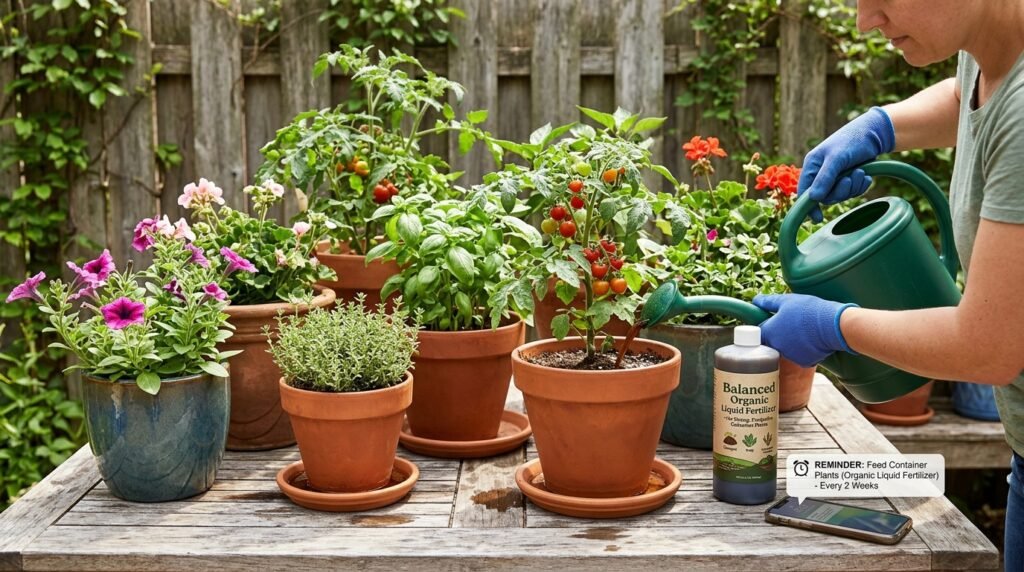
After the first month, you need to apply fertilizer regularly. Use a balanced organic liquid fertilizer every two weeks. Liquid feeds absorb quickly and provide an immediate nitrogen boost to growing plants.
The horticultural experts at Oregon State University Extension emphasize that consistent feeding produces stronger plants that resist pests. Set a recurring reminder on your phone so you do not forget.
Handle pests with patience
Bugs will find your plants. Seeing a few aphids on your pepper leaves does not mean your garden is failing. A sterile garden does not exist outside of a greenhouse.
Avoid spraying broad-spectrum chemical pesticides. These sprays kill the beneficial insects that actually keep pest populations in check. Ladybugs and parasitic wasps handle most pest issues if you give them time to arrive.
When you start a vegetable garden at home, your best pest control tool is a sharp spray of water. Blasting aphids off your plants with a hose removes the immediate threat. Inspect your plants weekly and squish caterpillars by hand.
Protect your plants from the wind
Balcony and patio gardens deal with wind exposure that ground-level gardens rarely experience. High winds dry out potting soil incredibly fast. Wind also batters delicate leaves and breaks fragile stems on tall plants.
If you live above the second floor, you must secure your taller crops. Use sturdy bamboo stakes and soft garden twine to tie up tomatoes and peppers. Check these ties weekly as the plant grows to ensure the stems do not snap.
Many people attempting to start a vegetable garden at home underestimate how much water wind removes from plant leaves. On breezy days, you might need to water your fabric grow bags twice. Pushing pots directly against a solid wall during storms can save your fragile seedlings.
Stick to the absolute basic tools
Garden centers sell walls of specialized tools that beginners simply do not need. You do not need a soil pH meter, an expensive gardening knife, or a copper watering can. Spending money on gear distracts from the actual growing process.
Buy a cheap pair of bypass pruners to harvest your vegetables cleanly. Grab a basic hand trowel for moving dirt into pots. That is your entire required tool kit for the first year.
I grew my entire first harvest using an old water pitcher from my kitchen instead of a watering can. Spending your budget on high-quality soil and healthy plants yields far better results than buying shiny tools.
Harvest early and often
Leaving ripe vegetables on the plant signals the plant to stop producing. The goal of a vegetable plant is to produce mature seeds. Once it achieves that goal, it shuts down new flower production.
Pick your beans, cucumbers, and zucchini while they are small and tender. Frequent harvesting forces the plant to produce new blossoms. Your overall yield increases dramatically when you pick food regularly.
A daily walk through your small space garden keeps you connected to the growing cycle. You will spot ripe food, dry soil, and early pest issues before they become major problems. Five minutes of observation a day guarantees better results.
Learn your local weather patterns
Gardening requires paying close attention to the actual climate outside your door. Portland stays wet and cool well into June. Planting warm weather crops too early results in stunted, miserable plants.
Find your local last frost date online. Wait at least two weeks past that date before putting tomatoes or peppers outside overnight. Cold soil damages root systems permanently.
People eager to start a vegetable garden at home often rush the season on the first sunny day in April. Patience is a fundamental gardening skill. Keep your plants warm and protected until the nighttime temperatures stabilize.
Document your first growing season
You will make mistakes this year. Your basil might bolt too early, or your squash might succumb to mildew. Every failure provides specific data for next season.
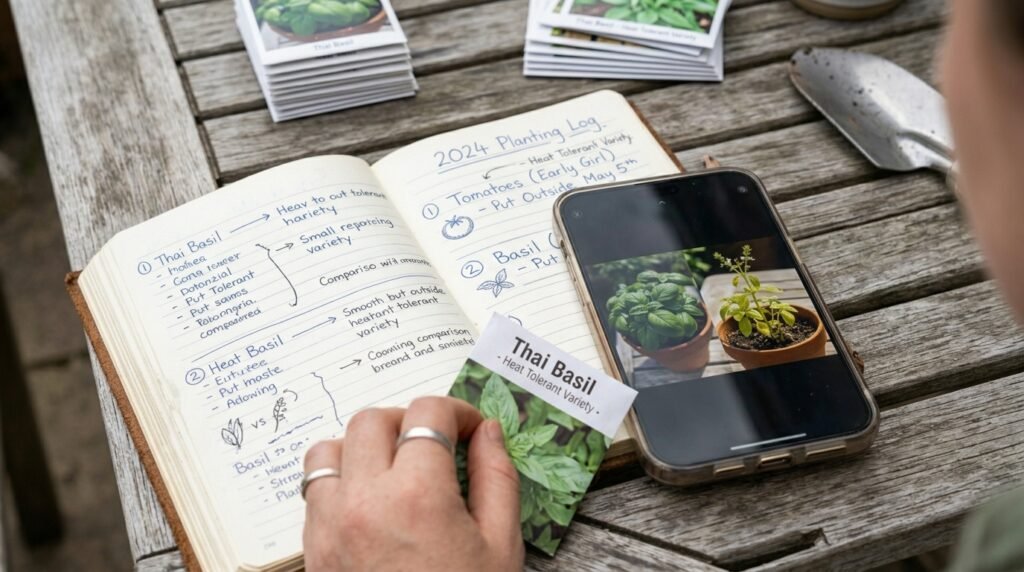
Keep a simple notebook or a note on your phone. Write down the varieties you planted and the dates you put them outside. Note which plants thrived on your balcony and which ones struggled in the heat.
This personal record becomes your most valuable gardening tool. Taking weekly photos of your patio helps track plant growth visually. You stop guessing and start building real institutional knowledge about your specific microclimate.
Keep your expectations realistic
Growing food teaches you to accept things outside your control. A sudden heatwave might drop all your tomato blossoms. An unexpected windstorm might snap a tall pepper plant.
Focus on the process rather than a massive grocery offset. Your first few harvests might just be a handful of radishes and enough basil for one pizza. That still counts as a major victory.
Every plant you keep alive builds your confidence for the following year. You are learning a foundational human skill. The satisfaction of eating something you grew from dirt never fades.
It is entirely possible to grow massive amounts of food in a tiny rented space. You simply need to begin. Grab a pot, buy some good dirt, and pick up a healthy starter plant this weekend. The perfect time to start a vegetable garden at home is right now.
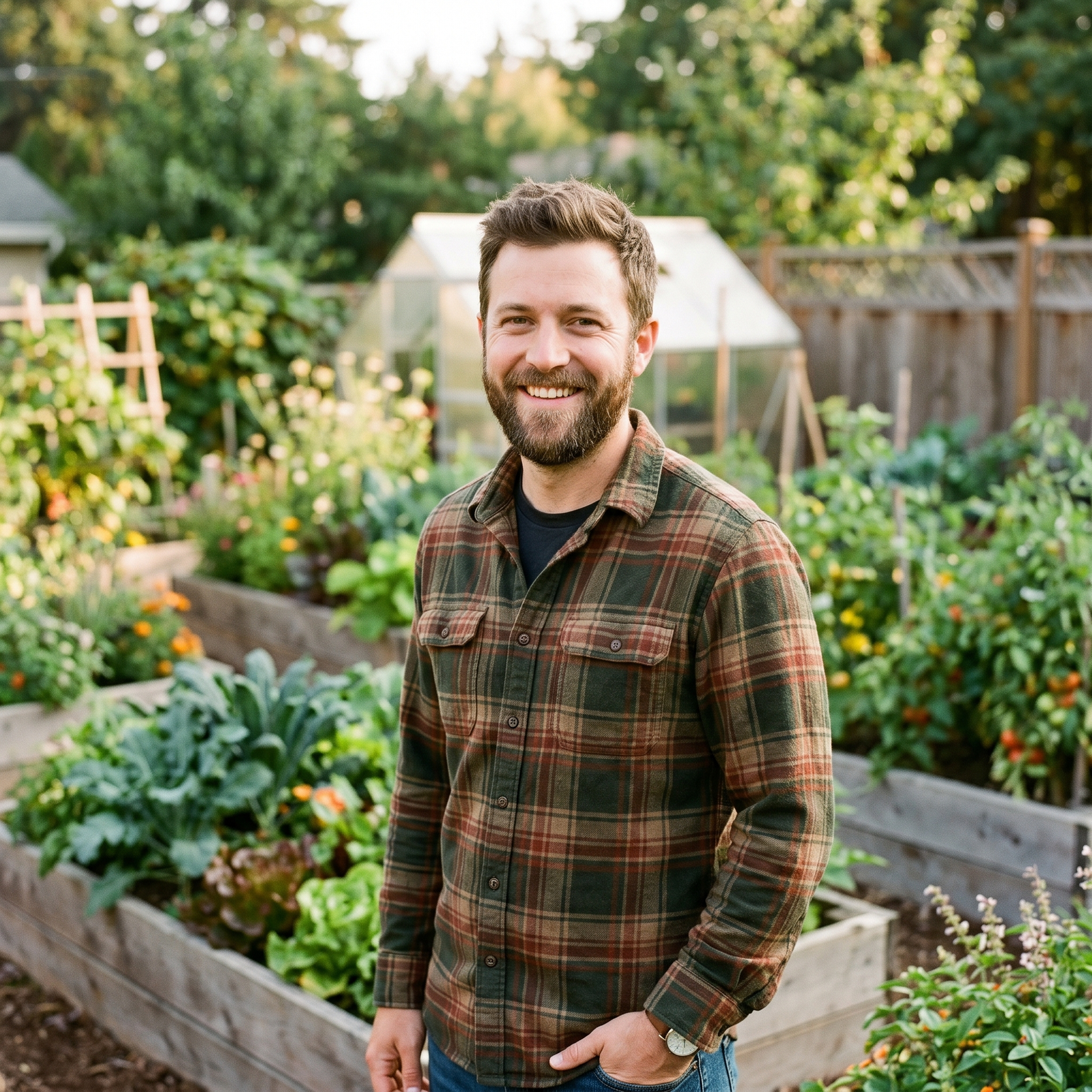
Felipe Macedo is a home gardener and food grower based in Portland, Oregon. After killing his first three tomato plants, he became obsessed with figuring out how to grow real food in small spaces — on balconies, in containers, and in raised beds he built himself. At Chatinovax, he shares everything he learned the hard way so you don’t have to.