
I killed at least five different basil plants during my first year of apartment gardening. I would buy those little plastic pots from the grocery store, set them on my kitchen counter, and watch them turn black within a week. I thought I lacked a green thumb entirely. I finally grabbed my cheap eight dollar trowel and decided to learn how to actually grow basil indoors from scratch. Living in Portland means we get months of dark, grey skies during the winter. I wanted fresh pesto in December without paying five dollars for a sad plastic clamshell of wilting leaves. Learning to grow basil indoors gives you a constant supply of fresh flavor right at your fingertips. You just need to understand what this specific herb actually wants from you.
Why you should prepare to grow basil indoors this season
Fresh basil loses its incredible smell and flavor the second you put it inside a cold refrigerator. The cold temperature turns the bright green leaves brown and destroys the essential oils completely within a few short days. Keeping a living plant on your kitchen counter solves this frustrating storage problem entirely. You only cut exactly what you need for your pasta sauce and leave the rest of the plant actively growing.
This herb grows incredibly fast when you give it the right environment. A single healthy plant produces enough leaves to feed a family of four multiple times a week. You save a ridiculous amount of cash when you stop buying pre-cut herbs at the supermarket. The flavor of a leaf picked five seconds before dropping it into a hot pan cannot be matched by anything sitting on a store shelf.
Providing huge amounts of bright light
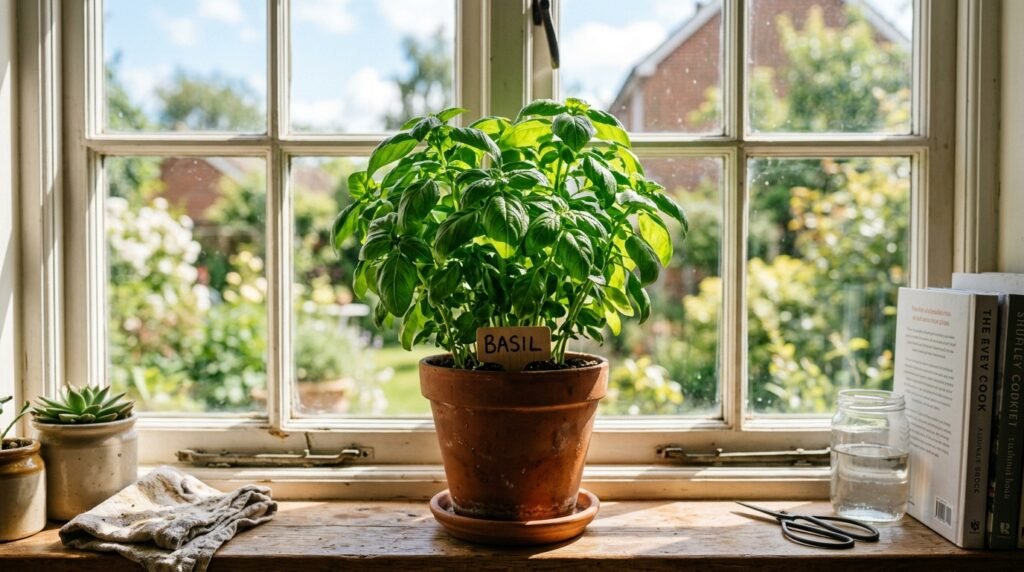
Basil originally comes from hot, sunny climates near the equator. It demands at least six to eight hours of intense light every single day to produce large, flavorful leaves. A south-facing window provides the best natural light for apartment dwellers in the northern hemisphere. I keep my pots directly against the glass on my south-facing balcony door to maximize their daily sun exposure.
The weak winter sun in the Pacific Northwest rarely provides enough energy to keep the plant bushy. The stems will stretch out and grow incredibly tall and skinny as they reach desperately for the light. You can fix this by adding a cheap LED grow light directly above your pots during the dark winter months. Keep the artificial light about six inches above the top leaves and run it for twelve hours a day.
Choosing the perfect pot and dirt setup
You do not need a giant container to support a healthy indoor herb garden. I started my first successful batch using washed out yogurt containers with holes punched in the bottom. A standard six inch plastic or terracotta pot works perfectly for a fully mature plant. The material of the pot does not matter as long as excess water can easily escape the bottom.
Basil hates sitting in heavy, wet mud. The roots require oxygen to breathe and will rot quickly if trapped in stagnant water. You must use a high quality potting mix designed specifically for container growing. Checking the best soil mix for a raised bed vegetable garden shows you the proper texture. Adding a heavy handful of perlite to your dirt ensures the water drains rapidly after every single watering session.
Understanding how to water correctly
Most beginners drown their indoor plants by pouring water on them every single day out of pure habit. You must wait until the top inch of the potting soil feels completely dry to the touch. Push your index finger into the dirt to check the actual moisture level below the surface.
If the soil feels damp, walk away and leave the watering can alone. Reading about how to fix overwatered plants before it is too late reminds you that root rot works incredibly fast. Always water your pots in the sink and let them drain completely before putting them back on their saucers.
A non-obvious trick to grow basil indoors from the grocery store
We all fall for the trap of buying those lush, bushy basil plants sitting in the produce aisle. The commercial growers pack twenty individual seedlings into one tiny four inch pot to make it look incredibly full. Those plants compete viciously for water and nutrients the second you bring them home. They choke each other out and die rapidly because the tiny pot cannot support twenty competing root systems.
You can save these supermarket plants using a very simple and non-obvious trick. Pull the entire root ball out of the plastic pot and drop it into a large bowl of warm water. The warm water washes the dirt away safely and allows you to gently untangle the tight knot of fragile roots.
Repotting your separated seedlings
Once you separate the individual stems in the water bowl, you will see you actually bought twenty distinct plants. Replant two or three of the strongest stems into a fresh six inch pot filled with good dirt. Throw the weak, skinny stems into your compost bin or give them away to a friendly neighbor.
This division gives the surviving plants the physical room they need to stretch their roots and drink properly. Your grocery store plant will actually survive the winter and grow into a large, highly productive bush.
Starting from seed to grow basil indoors successfully
Growing this herb from raw seeds remains the absolute cheapest and most reliable method for apartment gardeners. A single seed packet costs two dollars and contains hundreds of potential plants. Fill your small pots with a damp seed starting mix and press three seeds gently onto the surface. Cover them with a tiny sprinkle of fine dirt and press down lightly to ensure physical contact.
The seeds need warmth to wake up from their dormant state. Place the pots in the warmest room of your apartment and keep the dirt constantly damp but never flooded. The tiny green sprouts will break through the soil surface in about five to seven days.
Managing your new tiny sprouts
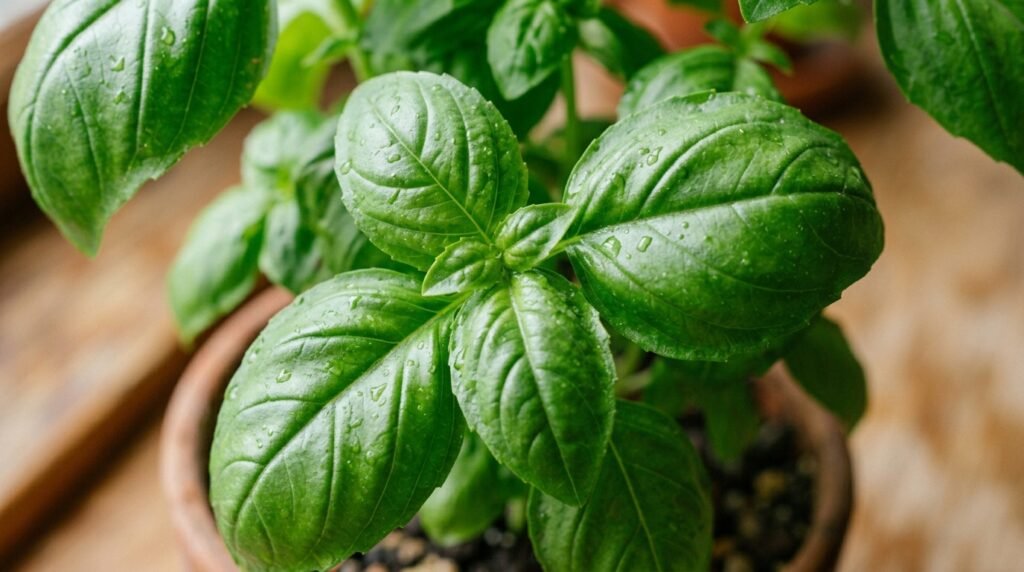
Once the seeds sprout, they need immediate access to bright light to prevent them from getting leggy. Move them directly to your sunny window or place them right under your artificial grow light. If all three seeds sprout in the exact same pot, you must thin them out immediately.
Take a pair of sharp scissors and snip the two weakest sprouts right at the soil line. Leaving only the strongest seedling guarantees a strong, healthy plant later in the season. Never pull the extra sprouts by hand because the tangled roots will damage the sole survivor.
Managing temperature when you grow basil indoors
This plant absolutely hates cold drafts and sudden drops in air temperature. It will literally drop all its green leaves and die if the air drops below fifty degrees Fahrenheit. You must keep your pots away from drafty single pane windows during the bitter winter months. I slide my pots a few inches back from the cold glass when the Portland snow finally arrives.
You also need to protect them from the dry heat pumping directly out of your apartment heating vents. Hot forced air bakes the moisture right out of the fragile green leaves and turns them completely crispy. Find a neutral spot in your kitchen that avoids both the freezing drafts and the blasting heaters.
Creating the right humidity levels
Indoor heating systems destroy the natural humidity in your apartment during the long winter months. Basil prefers a slightly humid environment to keep its leaves soft and highly productive. You can build a simple microclimate by placing your pots on a shallow tray filled with small rocks and tap water.
The water evaporates slowly throughout the day and surrounds the leaves with a gentle, invisible mist. Do not let the bottom of the plastic pot actually touch the standing water in the tray. The pot should rest completely dry on top of the rocks to prevent accidental root rot.
How to prune and grow basil indoors for maximum yield
Most people pick single leaves off the sides of their plant when they want to make a fresh dinner. This harvesting mistake forces the plant to grow into a tall, skinny, and incredibly weak beanstalk. You must actually cut the top of the main stem off entirely to encourage outward branching.
Look closely at the main stem and find a spot where two tiny new leaves are forming on the sides. Take sharp scissors and cut the main stem exactly a quarter inch above those two tiny leaves. The plant will stop growing upward and push all its energy into those two brand new side branches.
Preventing the bitter flowering stage
Your plant will eventually try to produce small white flowers at the very top of its tall stems. You must pinch these green flower buds off the exact second you spot them forming. If the plant manages to bloom, it stops producing essential oils and the leaves turn incredibly bitter.
The experts at Bonnie Plants remind gardeners that flowering signals the end of the plant life cycle. Pinching the flowers tricks the plant into staying in its vegetative growth stage permanently. You must stay vigilant and check the tips of your branches every single week for hidden buds.
Feeding your indoor herb garden safely
Potted plants rely entirely on you for their nutritional needs because their roots cannot reach into the deep earth. Every time you water your pots, a small amount of nutrients washes out of the bottom drainage holes onto the saucer. You must replace this lost food consistently to keep your green leaves looking bright and tasting sharp.
You want to use a highly diluted liquid fertilizer about once a month during the active growing season. Reviewing how to fertilize a vegetable garden organically helps you choose a perfectly safe product. Heavy synthetic fertilizers will actually burn the fragile roots and ruin the delicate flavor of the herb entirely.
Recognizing basic nutrient starvation
If your older, lower leaves start turning a pale yellow color, your plant needs nitrogen immediately. The plant is cannibalizing its own bottom leaves to push brand new green growth at the top. A quick dose of liquid fish emulsion solves this specific starvation problem in just a few short days.
Always apply liquid fertilizers to damp potting soil rather than bone dry dirt. Feeding a thirsty plant shocks the sensitive root system and causes the top leaves to curl inward and drop off completely.
Defending against common indoor patio pests
You might think bringing plants inside protects them from every single bug in the neighborhood. Unfortunately, warm apartment air and damp potting soil attract annoying fungus gnats very quickly. These tiny black flies crawl around the top of the dirt and fly into your face when you water the pot.
The adult gnats pose a nuisance, but their invisible larvae actually eat the tiny root hairs hidden underground. Severe fungus gnat infestations will stunt your indoor herbs and turn the foliage a sickly pale color.
Fighting off fungus gnats naturally
Fungus gnats only lay their eggs in the top inch of damp, exposed potting soil. You can stop their reproductive cycle completely by letting the top of the dirt dry out between watering sessions. The dry dirt kills the fragile larvae before they can hatch into flying adults.
You can also cover the top of your potting soil with a thin layer of decorative sand or small gravel. This physical barrier stops the adult flies from reaching the damp dirt to lay their eggs entirely.
Preserving your harvest when you grow basil indoors
A properly pruned plant will eventually produce significantly more leaves than you can eat in a single week. You must cut the plant back aggressively to keep it healthy, which leaves you with a large pile of trimmings. Drying the leaves works, but it destroys the sweet oils and makes the herb taste like dusty cardboard.
Freezing remains the absolute best way to preserve the fresh summer flavor for your heavy winter soups. Chop the fresh leaves finely and pack them tightly into a standard plastic ice cube tray.
The olive oil freezing method
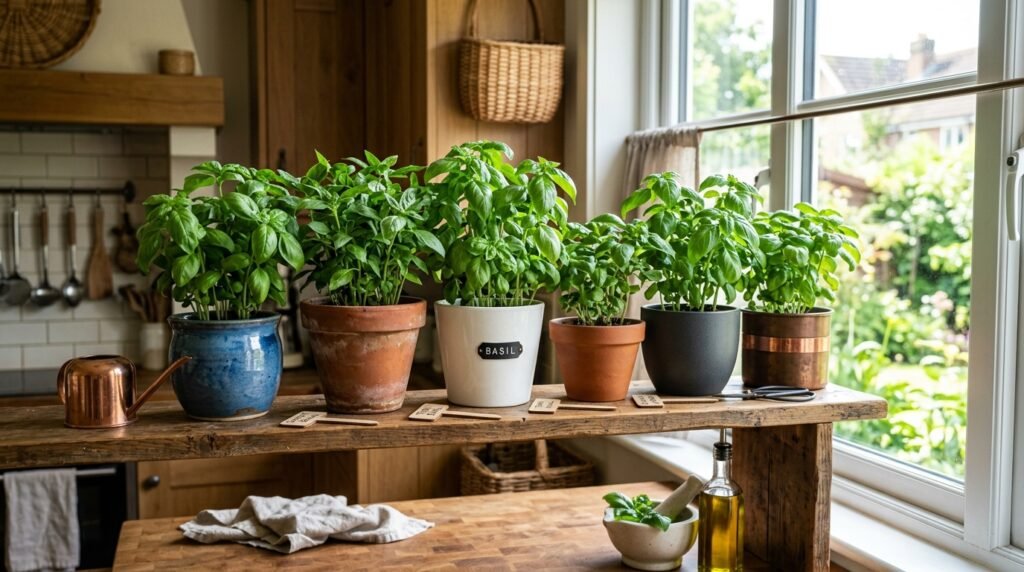
Pour high quality olive oil over the chopped leaves until the ice cube tray slots are completely full. Place the tray in your freezer overnight until the golden oil freezes into solid green blocks. Pop the frozen blocks out and store them in a heavy plastic bag in the back of your freezer.
You can drop a frozen basil block directly into a hot pan of tomato sauce in the middle of January. It melts instantly and tastes exactly like a fresh summer harvest picked right from the sunny patio.
You do not have to accept bland supermarket food just because the weather outside turns freezing cold. Dedicating a tiny bit of space on your sunny windowsill provides incredible fresh flavors all year long. You just need a cheap plastic pot, some loose dirt, and a ruthless approach to pruning the main stems. Keep the roots slightly dry, provide plenty of light, and pinch those white flowers off the second you see them. You can successfully grow basil indoors and improve your daily cooking without spending a fortune. Grab your hand trowel and plant a few seeds this weekend to start your own reliable countertop farm.
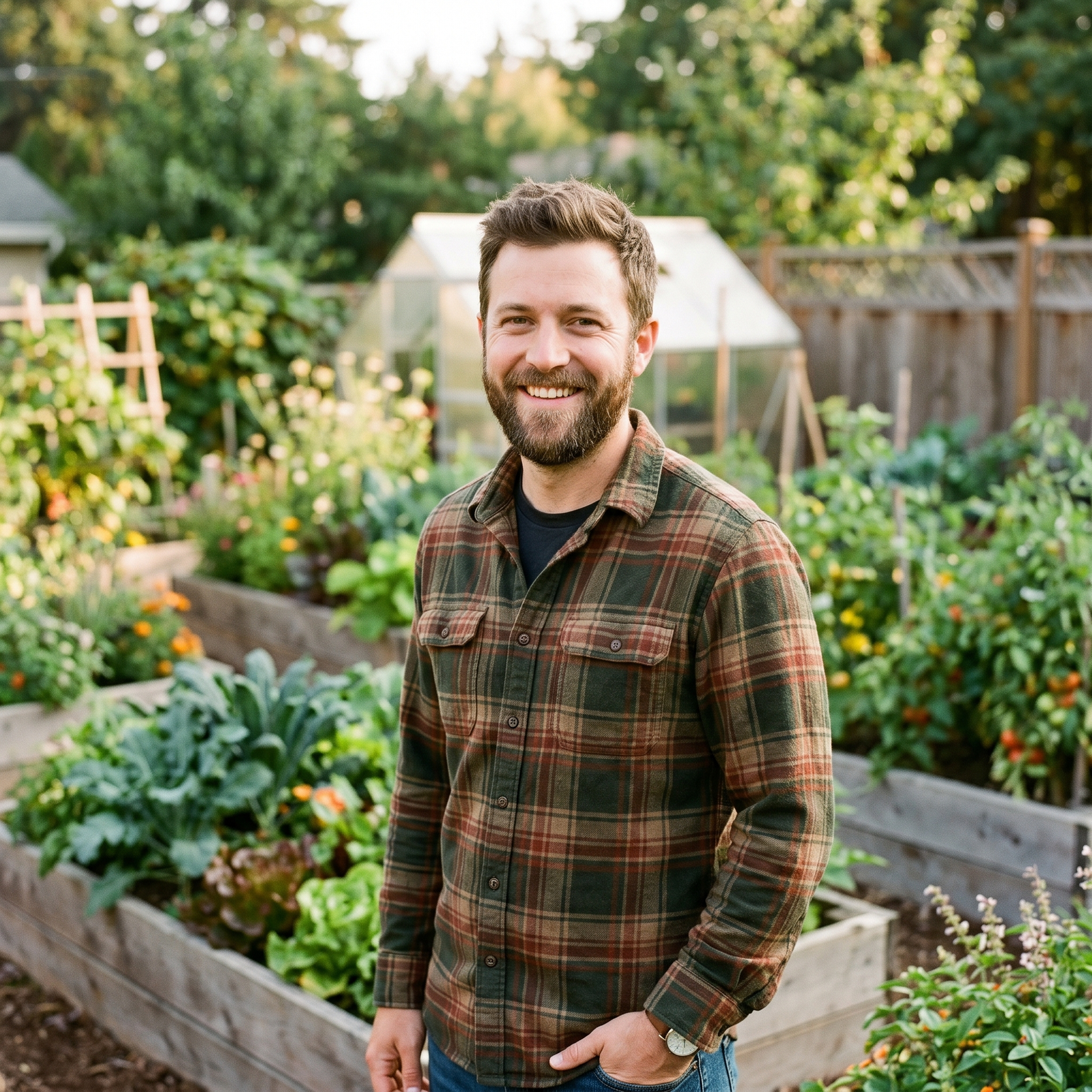
Felipe Macedo is a home gardener and food grower based in Portland, Oregon. After killing his first three tomato plants, he became obsessed with figuring out how to grow real food in small spaces — on balconies, in containers, and in raised beds he built himself. At Chatinovax, he shares everything he learned the hard way so you don’t have to.