
I remember walking onto my south-facing Portland balcony after a remarkably heavy spring rain. I carried my trusty eight dollar trowel and expected to see my fresh lettuce thriving in those recycled yogurt containers. Instead, I found a dozen slimy creatures chewing my hard work entirely down to bare stems. You must learn how to keep slugs out of vegetable garden spaces before they multiply and completely destroy your spring harvest.
These nocturnal pests possess an unbelievable appetite for young and highly tender plant tissue. A single pest can easily eat several times its own body weight in fresh green leaves over one single night. They reproduce incredibly fast in damp environments and quickly overwhelm a small balcony farm.
Ignoring the initial problem allows them to lay hundreds of clear round eggs deep inside your damp potting soil. You must disrupt their biological life cycle immediately to protect your future food supply. Prevention always saves you massive amounts of physical frustration later in the growing season.
Recognizing the exact signs of an invasion
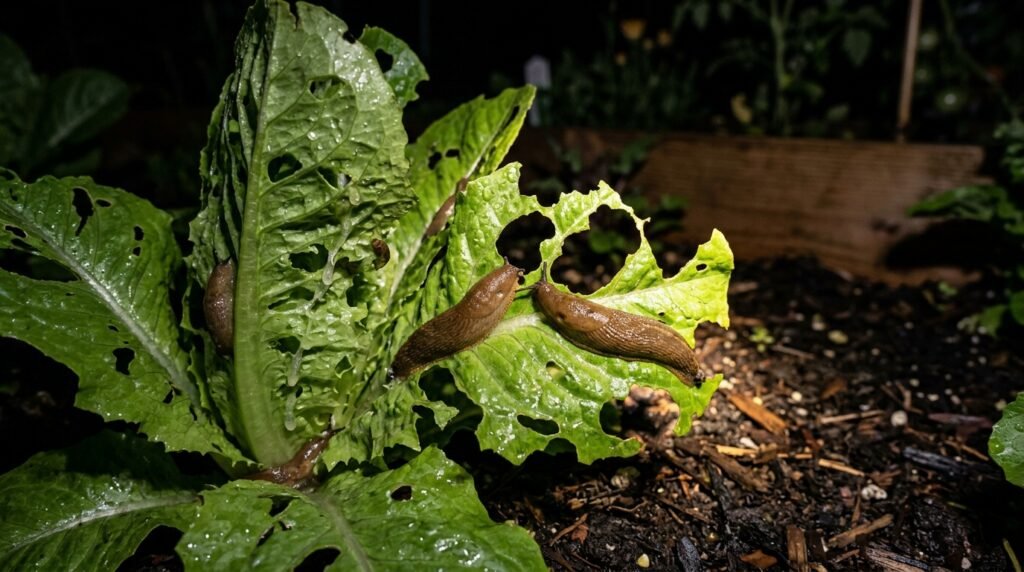
You rarely catch these specific pests in the act because they hide perfectly during the bright daylight hours. You have to look for the physical evidence they leave behind on your patio floor and lower plant leaves. Large and completely ragged holes right in the middle of your lettuce leaves indicate a serious chewing problem.
Look very closely at the concrete floor around your containers for shiny and dried silver slime trails. These specific dried tracks confirm exactly what type of bug you are fighting on your patio. Reading how to protect your vegetable garden from pests without chemicals helps you properly identify other common balcony invaders.
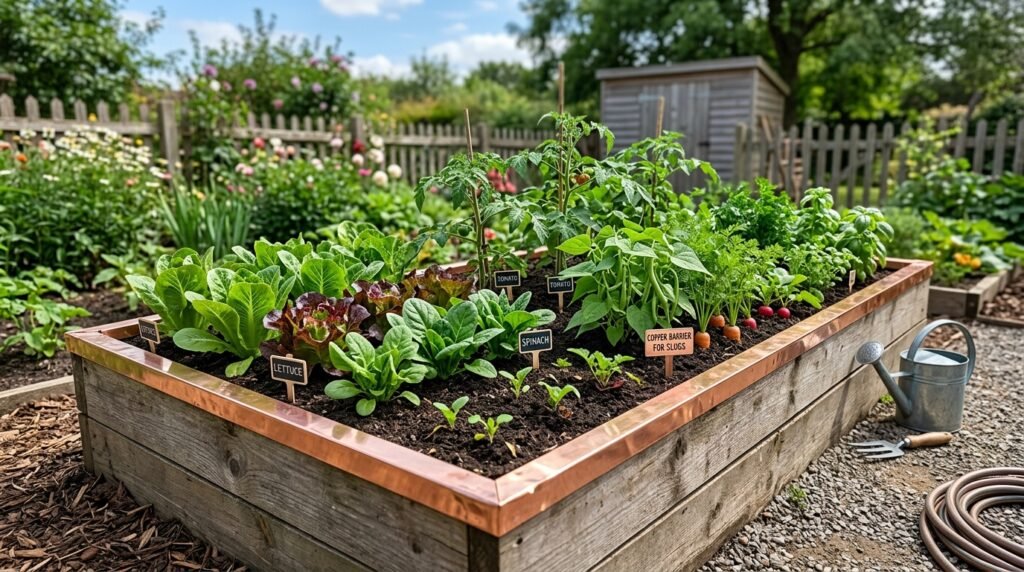
Using copper barriers to keep slugs out of vegetable garden pots
You can build an invisible electric fence for your containers using a cheap roll of self adhesive copper tape. Wrap a solid and completely continuous ring of copper tape tightly around the outside rim of your plastic buckets. When the pest attempts to cross the copper metal, its highly slimy body creates a tiny electrical reaction.
This mild physical shock hurts the bug and forces it to turn around instantly without reaching your food. This non-obvious trick requires almost zero maintenance and lasts for several years on an apartment patio. You just need to wipe the copper metal clean occasionally so it maintains a highly strong electrical charge.
The harsh reality about using crushed eggshells
Many older traditional gardeners swear by scattering crushed eggshells completely across the top of the potting dirt. They claim the sharp edges physically cut the soft bodies of the pests and stop them from moving forward. In reality, large bugs simply produce extra mucus and slide right over the broken shells safely.
You should save your leftover eggshells for the compost bin instead of wasting them on ineffective pest control. Learning how to make compost at home in a small space puts those valuable kitchen scraps to much better use.
Building liquid traps to keep slugs out of vegetable garden containers
You can lure these pests completely away from your expensive crops using a cheap and highly shallow plastic dish. Sink the dish directly into the potting soil so the top rim sits completely level with the surrounding dirt. Fill the small container with cheap and extremely stale beer right before the sun goes down for the evening.
The strong smell of fermenting yeast attracts them rapidly from across the entire apartment patio. They crawl directly into the liquid pool and drown completely before they can take a single bite of your food. The pest experts at The Old Farmer’s Almanac highly recommend this specific liquid trap for fast and purely organic pest control.
Maintaining your liquid traps for maximum success
A trap completely full of dead bugs quickly loses its attractive yeasty smell and stops working entirely. You must dump the nasty liquid out entirely and refill the shallow dish every three to four days. Pour the dead pests directly into the city garbage bin rather than dumping them onto your clean potting soil.
You also need to protect the shallow dish from heavy spring rainstorms that will quickly dilute the beer. Prop a small piece of scrap wood directly over the dish to act as a tiny protective roof. This keeps the trap highly concentrated and perfectly effective at catching bugs all night long.
Modifying your watering schedule to deter pests entirely
These creatures absolutely require completely wet surfaces to move around and survive outside of their dark hiding spots. When you water your plants late in the evening, you create a perfectly wet playground for nocturnal pests. The concrete stays completely damp all night and invites every single bug in the neighborhood to visit your food.
You must transition to a strict morning watering routine to protect your delicate balcony crops safely. The hot afternoon sun dries the topsoil and the concrete floor completely before the pests even wake up. Bone dry physical surfaces make travel completely impossible for them to manage.
Removing dark hiding spots from the concrete patio
These soft bodied creatures die incredibly quickly if the hot sun hits them directly during the daytime. They survive the heat by hiding underneath wet wooden boards, empty plastic pots, and deep piles of dead leaves. You must sweep your balcony floor thoroughly every single weekend to successfully eliminate these safe havens entirely.
Pick up any dropped fruit or dead foliage resting directly on the concrete immediately. A clean and highly organized patio forces the pests to seek shelter somewhere else entirely away from your pots. Practicing good physical sanitation stops most pest problems before they even have a chance to start.
Hand picking to keep slugs out of vegetable garden layouts
Sometimes you just have to use brute physical force to protect your food from a massive unexpected infestation. Put on a pair of thick rubber gloves and grab a highly bright flashlight around ten o’clock at night. Walk out onto your balcony and inspect the absolute undersides of your leafy greens very closely.
You will easily spot the fat pests actively chewing on your expensive spring crops in the dark. Pluck them directly off the green leaves and drop them into a small bucket of soapy tap water. The liquid dish soap breaks the surface tension of the water and sinks the heavy bugs instantly.
Creating intentional trap boards for easy morning hunting
You can actually force the pests to gather exactly where you want them to hide on your patio. Lay a highly damp piece of thick cardboard directly on the concrete floor near your most vulnerable plants. The bugs will crawl underneath this specific board when the hot sun comes up to easily escape the heat.
Walk outside at noon, flip the cardboard over completely, and scrape the sleeping pests into your soapy water bucket. Checking the easiest vegetables to grow for beginners shows you exactly which crops need this extra protection the most. This trap board strategy concentrates your daily hunting efforts into one specific and easy spot.
Using natural deterrents to keep slugs out of vegetable garden spaces
A healthy outdoor ecosystem naturally controls exploding pest populations without requiring any massive human intervention. You can encourage specific and highly helpful bugs to live permanently on your balcony all summer long. Ground beetles actively hunt these soft bodied pests and consume them directly on the patio floor.
Provide a small and totally undisturbed corner of your balcony with a permanent shallow water dish. This tiny water oasis gives the helpful predatory insects a reliable place to drink during the hot summer. They will stick around and patrol your wooden raised beds heavily every single night.
The hidden power of strategic companion planting
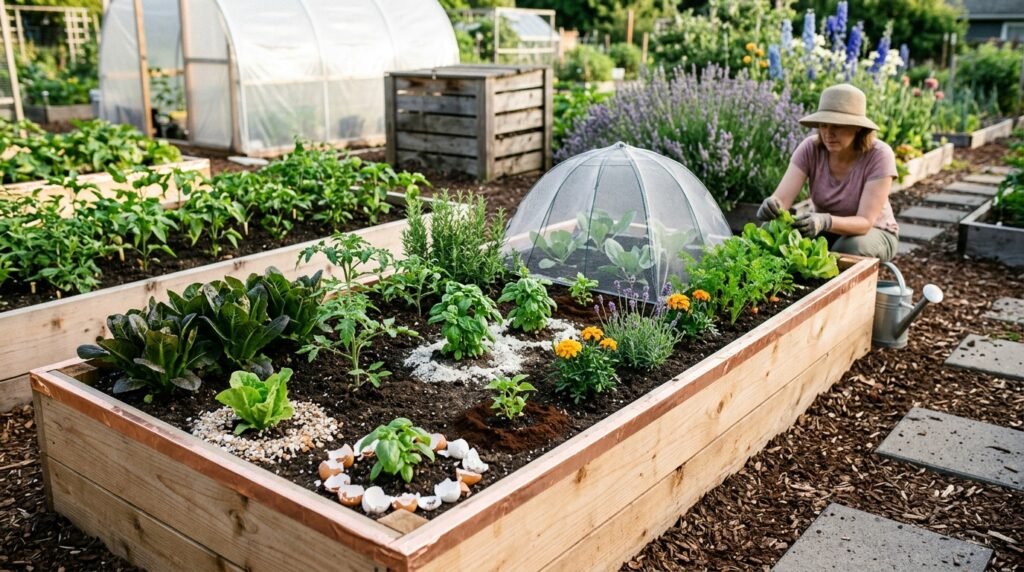
Certain strong smelling culinary herbs naturally repel soft bodied pests simply by existing nearby in the dirt. Planting thick outer borders of strong rosemary or mint creates an invisible scent wall around your vulnerable lettuce crops. The pests completely dislike the intense aromatic oils and will turn around to find a much easier meal elsewhere.
The agricultural team at Gardening Know How suggests mixing highly fragrant plants directly into your main vegetable pots. This diverse physical planting strategy confuses hungry invaders and protects your most valuable food sources perfectly.
Growing food on a small apartment balcony requires your constant attention and highly quick physical action. You do not have to watch helplessly as slimy pests devour your hard physical work overnight. You just need to change your watering habits, clean up the concrete floor, and build a few simple traps early. Implementing these basic strategies will easily keep slugs out of vegetable garden pots all season long. Grab your flashlight tonight and take back total physical control of your apartment patio farm.

Felipe Macedo is a home gardener and food grower based in Portland, Oregon. After killing his first three tomato plants, he became obsessed with figuring out how to grow real food in small spaces — on balconies, in containers, and in raised beds he built himself. At Chatinovax, he shares everything he learned the hard way so you don’t have to.