
I remember looking at my empty south-facing Portland balcony and feeling completely overwhelmed. I wanted fresh vegetables but had absolutely zero ground space to dig a traditional farm. I started my journey into growing food at home with just empty yogurt containers and a rusty eight dollar trowel.
I knew nothing about proper soil health or basic water drainage back then. I just wanted to see if I could keep a simple plant alive on a concrete slab. That first harvest of tiny cherry tomatoes tasted better than anything I ever bought at the grocery store. You can easily achieve these exact same results on your own patio or small backyard. You just need a practical approach to building your container setup from scratch.
Why growing food at home makes perfect sense
Success in a tight space relies entirely on your ability to work with what you have right now. You do not need expensive gear or a dedicated glass greenhouse to start producing your own vegetables. A few cheap plastic buckets and a sunny corner provide everything you need to begin farming.
Most beginners make the mistake of trying to plant too much at once and feeling crushed by the daily maintenance. You should focus on one or two high-yield crops before you expand your total growing area. Consolidating your efforts guarantees a much higher success rate during your very first summer.
When you commit to growing food at home, you immediately reduce your weekly grocery bill. A single three dollar packet of seeds produces pounds of fresh organic produce over a few months. You stop paying premium prices for wilted supermarket lettuce that goes bad in two short days.
Assessing your physical outdoor space safely
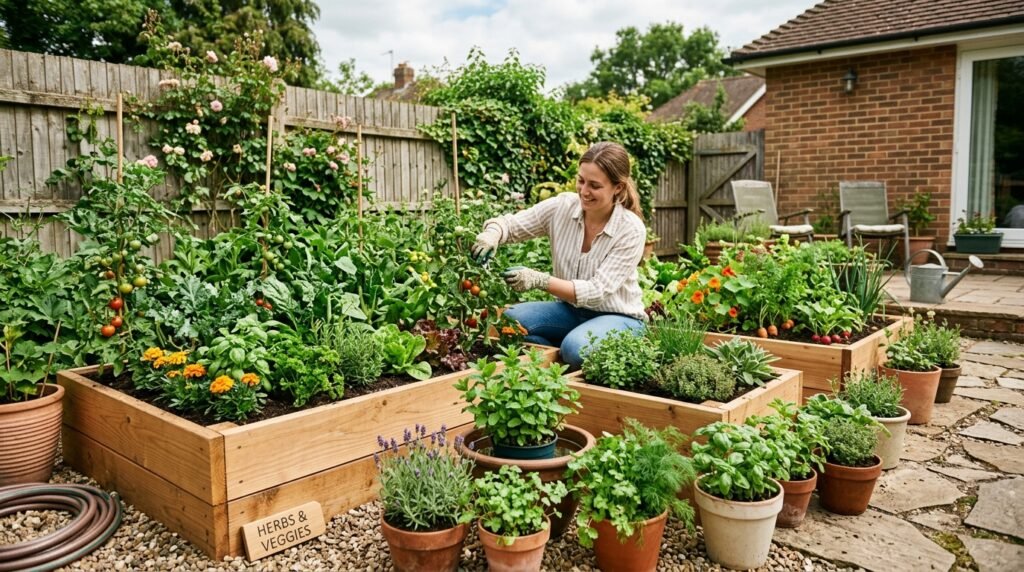
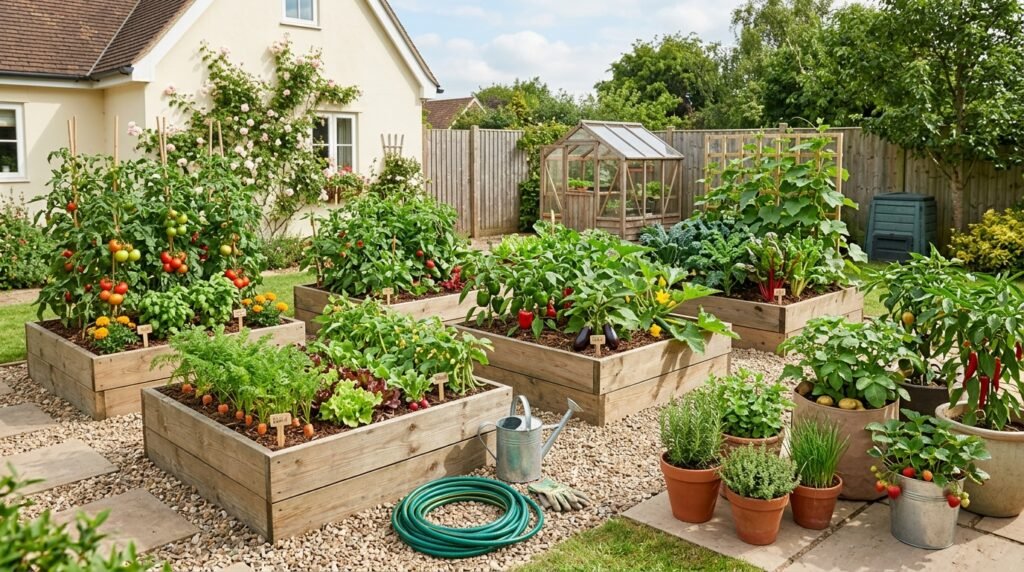
Do not feel discouraged if you only have a few feet of concrete to work with this summer. Containers allow you to move your garden around to catch the absolute best light throughout the changing season. You can easily build a productive outdoor oasis using affordable plastic buckets or wooden crates.
Always look for containers with large holes in the bottom to ensure proper water drainage. Plant roots need fresh oxygen just as much as they need liquid water to survive. If your pots stay soggy for too long, your plants will suffer from root rot instantly. Reading how to start a vegetable garden at home with no experience shows you exactly how to prep these containers correctly.
Finding the best sunlight for your containers
Proper light exposure remains the single most important factor for any urban farmer to figure out. Most fruiting vegetables require at least six hours of direct sunlight every single day to form heavy yields. Watch your balcony or patio for a full weekend to see exactly where the sun hits the concrete.
You must place your heavy containers directly in those bright zones before you fill them with wet dirt. Moving a fifty pound pot across a patio will easily ruin your lower back. Growing food at home requires you to plan these heavy logistical moves ahead of time to stay safe.
Fruiting plants like tomatoes and peppers demand intense solar energy to ripen their heavy loads. If your balcony only gets three hours of morning sun, you must adjust your strategy completely. You can still succeed by planting shade tolerant crops like spinach and arugula instead.
Dealing with tricky Pacific Northwest weather
Here in Portland, the constant spring drizzle often delays our outdoor planting schedule by several weeks. You cannot force warm weather crops like peppers to grow when the night temperatures drop near freezing. You must respect the local climate and time your planting strategy perfectly to avoid losing your seeds.
If you live in a cold region, start your seeds indoors on a warm sunny kitchen windowsill. This indoor head start protects the fragile seedlings from brutal wind and hungry neighborhood birds. It also extends your short growing season by giving you mature plants ready for the summer heat. Once the night temperatures warm up properly, you move the strong plants out to the patio.
Choosing the absolute best dirt for your pots
Most people buy the cheapest bags of topsoil from the hardware store and wonder why their plants look terrible. The secret to a healthy container garden involves picking a premium mix designed specifically for pots. Heavy topsoil turns into wet concrete and suffocates your fragile root systems immediately.
You must prioritize soil health when growing food at home in plastic containers. You need a fluffy potting mix packed with organic compost and plenty of white perlite for maximum aeration. Learning the best soil mix for a raised bed vegetable garden helps you construct the perfect foundation.
Healthy soil acts like a giant sponge that holds moisture while letting excess water drain away instantly. Invest your money in high quality dirt upfront because it fuels your vegetables all season long. You cannot fix terrible dirt later in the summer without killing the plant.
A non-obvious trick for checking soil moisture
Beginners always struggle to know exactly when their plants actually need a drink of water. Watering on a strict daily schedule guarantees you will eventually drown your vegetables in heavy mud. You can use a standard wooden chopstick to test the deep moisture levels of your pots accurately.
Push the dry chopstick deep into the dirt and pull it straight back out. If the wood comes out dark and covered in wet dirt, do not add any water to the container. This non-obvious trick prevents accidental overwatering and saves your roots from rotting entirely.
The top layer of soil might look bone dry while the bottom remains completely soaked. Relying on the physical chopstick test removes all the guesswork from your daily watering routine.
Picking the right crops for a beginner setup
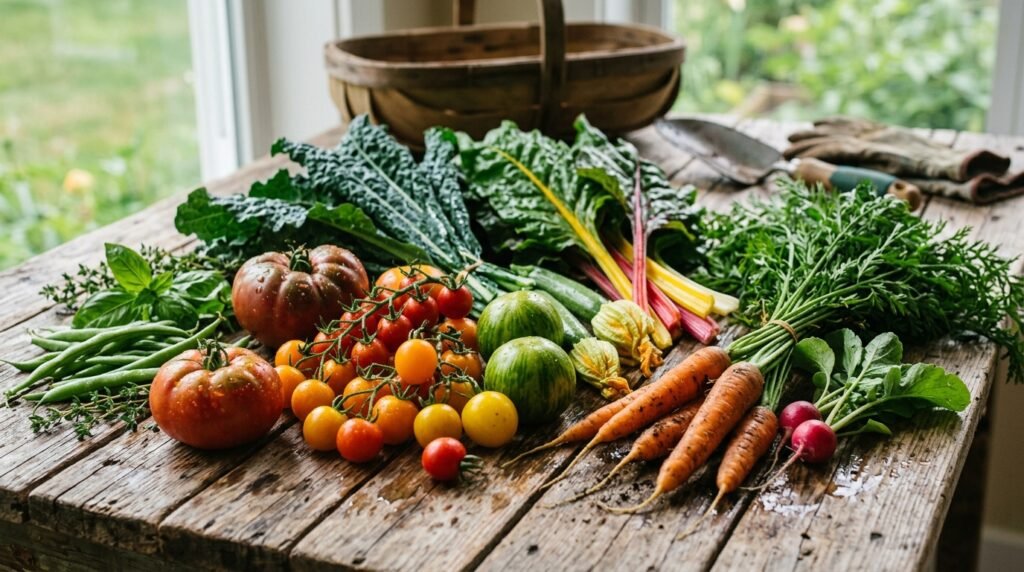
New gardeners often pick difficult plants that require months of perfect care before they produce anything edible. You want incredibly fast wins when you are first learning the specific rhythm of a balcony farm. Focus on fast maturing leafy greens, spicy radishes, and fresh culinary herbs to keep your confidence high.
These specific plants provide a constant source of daily encouragement while you learn the harder agricultural rules. You can harvest fresh salad greens just thirty days after pushing the seeds into the loose dirt. Choosing highly reliable crops makes growing food at home incredibly fun rather than deeply frustrating.
You can branch out into massive heirloom tomatoes next year after you master the basic rules of container care. Building a solid foundation of knowledge guarantees your future success with harder varieties down the road.
Starting small to build total confidence
Do not try to grow giant pumpkins or heavy watermelons on a cramped apartment balcony. Those massive vines will quickly take over your entire patio and produce absolutely nothing in a small pot. You must match the mature size of the plant to the physical limitations of your outdoor space.
Checking the easiest vegetables to grow for beginners provides a safe roadmap for your first season. Stick to bush varieties of tomatoes and compact cucumber types designed specifically for small spaces.
These specialized plants stay short and bushy but still produce a massive amount of food. They fit perfectly inside a five gallon bucket and never require massive wooden trellises to stay upright.
Feeding your plants for maximum summer yields
Producing pounds of heavy fruit drains the potting soil of its basic nutrients incredibly fast. You must replace those missing minerals regularly to keep the biological engine running at full speed. Your vegetables will literally starve to death if you ignore their heavy nutritional demands during the hot summer.
Apply a high quality organic liquid fertilizer to your containers every two weeks during the peak season. The agricultural experts at Bonnie Plants strongly recommend regular feeding for any vegetables grown in tight physical containers. Consistent nutrition keeps the green leaves healthy and pushes the plant to produce massive fruit.
Avoid harsh synthetic chemicals that burn delicate roots and ruin your organic soil biology entirely. Natural fish emulsion stinks for a few hours but provides incredible nutrition for hungry patio crops.
Watching for early signs of starvation
Plants tell you exactly what they need if you learn how to read their physical leaves correctly. If the lowest leaves on your tomato plant turn pale yellow, the roots are begging for extra nitrogen. You must act quickly and provide liquid food before the entire plant stops growing completely.
Do not wait for the plant to look terrible before you start your routine feeding schedule. Preventative maintenance keeps the yields high and stops diseases from attacking a weakened immune system.
A well fed plant naturally resists common bacterial infections much better than a starving plant. You protect your entire investment simply by pouring liquid nutrients into the dirt twice a month.
Managing common pests on an apartment balcony
You might assume an apartment balcony keeps your food completely safe from crawling garden insects. Unfortunately, you will inevitably face hungry insects when growing food at home on an open balcony. You must monitor your tall leafy plants daily to catch small bug problems before they multiply out of control.
Aphids love to hide underneath the thick green leaves and suck the sweet sap directly out of the stems. You can blast these soft bugs right off the plant using a sharp spray of cold water from your hose. The bugs fall onto the concrete floor and cannot climb back up the sides of the fabric container.
Checking your plants every morning while you drink your coffee turns pest control into a simple routine. Catching three bugs today stops three hundred bugs from destroying your harvest tomorrow.
Utilizing simple physical bug barriers
Sometimes hand picking bugs off your plants becomes a completely overwhelming daily chore. You can stop flying moths from landing on your food by installing a lightweight floating row cover. This thin white fabric lets the sunlight through but blocks the insects entirely from reaching the leaves.
The gardening experts at The Old Farmer’s Almanac also suggest planting fragrant herbs to confuse flying pests naturally. You save your harvest without ever resorting to dangerous and expensive synthetic chemical sprays.
Physical barriers and smart plant pairing provide the safest and most effective defense for your organic patio farm. You never want to spray poison on the exact same leaves you plan to eat for dinner.
Mastering the harvest process for continuous yields
The absolute best part of growing food at home comes when you finally get to eat your own hard work. Most vegetables reach their absolute peak flavor right before they become fully mature and massive. Herbs should be trimmed frequently to encourage the plant to grow bushier and produce more fragrant leaves.
Always use a sharp pair of scissors to harvest your crops rather than pulling them by bare hand. Clean cuts heal much faster and prevent dangerous plant diseases from entering the open stem. You will get more food over a longer period by harvesting properly and carefully throughout the hot season.
Leaving ripe fruit on the vine signals the plant to stop producing new flowers entirely. Pick your food the exact second it looks ready to keep the reproductive cycle moving forward.
Prepping your fresh food for the kitchen
Do not wash your freshly picked produce until the exact moment you plan to actually eat it. Extra moisture on the leaves causes them to rot rapidly if you put them in the refrigerator right away. Keep your harvest completely dry and cool until you are ready to prepare your dinner salad.
Your own fresh produce will taste far superior to anything that sat on a commercial delivery truck for a week. The immense satisfaction of putting your own organic food on the dinner table remains the greatest reward of this hobby.
Gardening is a long term learning process that gets significantly easier with every passing year. Take a few practical notes in a simple notebook about what worked and what struggled on your balcony this summer. You will find that you naturally improve your physical skills every time you plant a new season. Start with just one single pot this weekend and see how much joy you can fit onto your own sunny patio. Taking that first step toward growing food at home changes your entire relationship with the meals you eat.
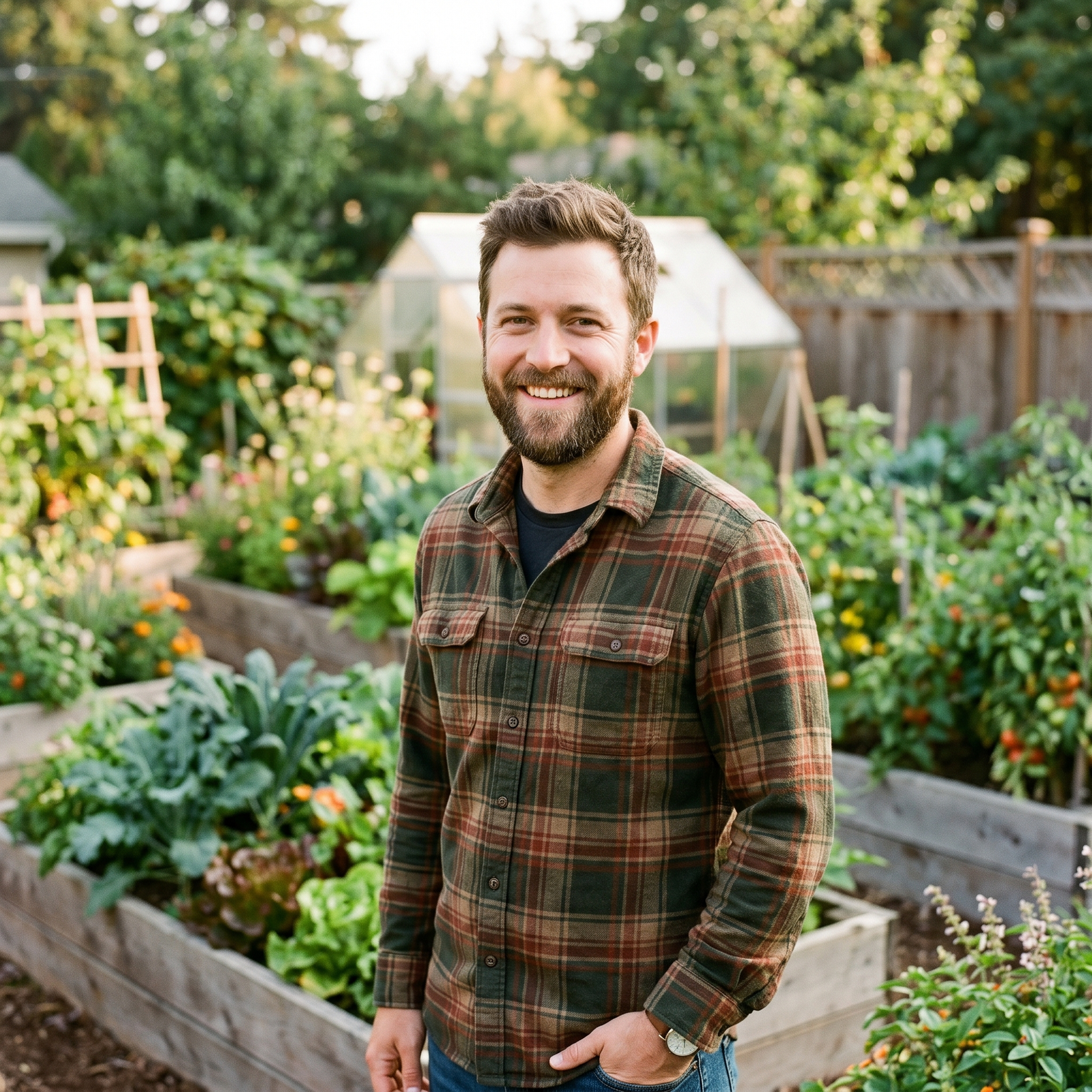
Felipe Macedo is a home gardener and food grower based in Portland, Oregon. After killing his first three tomato plants, he became obsessed with figuring out how to grow real food in small spaces — on balconies, in containers, and in raised beds he built himself. At Chatinovax, he shares everything he learned the hard way so you don’t have to.