
Walking through a garden center in spring usually leads to terrible decisions. You see a massive pumpkin seedling and suddenly imagine it taking over your tiny apartment balcony. That dream dies quickly when the massive vines choke out every other plant you own. Small space growing requires extreme discipline and realistic expectations. You need to focus strictly on the best container vegetables that actually want to live in a plastic pot.
I learned this lesson the hard way during my first year growing food. I shoved a giant indeterminate tomato plant into an old yogurt container and watched it slowly starve to death. I had my trusty eight dollar trowel, but I had absolutely no idea how root systems actually worked. Picking compact varieties completely changed how much food I could pull off my small patio.
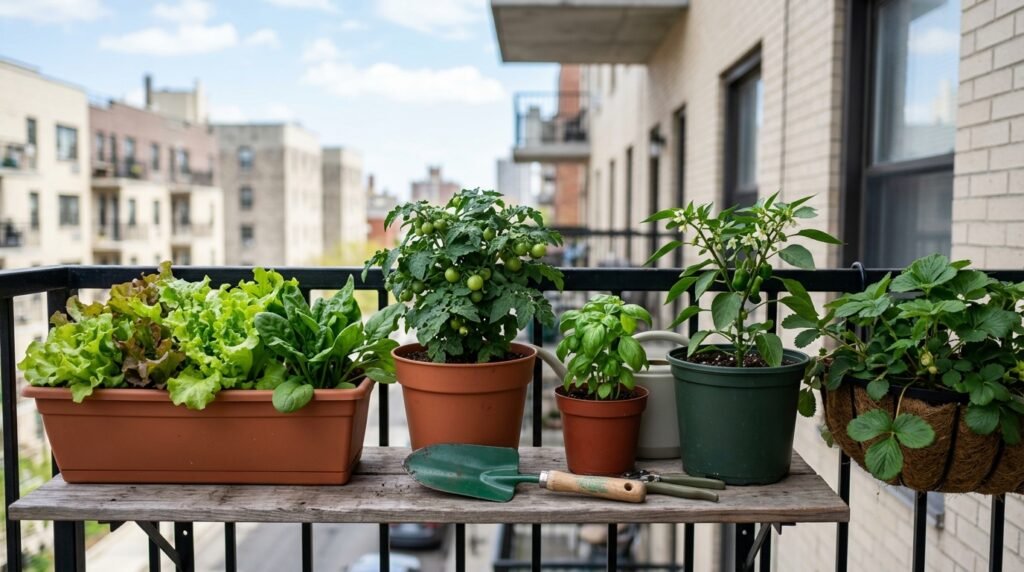
What makes the best container vegetables survive on a patio
Most traditional farm crops hate being confined to a restricted physical space. Their roots want to plunge three feet deep to find cold moisture and nutrients underground. When you shove those wild plants into a five gallon bucket, they panic and stop producing food. You have to select crops specifically bred for a restricted root zone.
Here in Portland, our weather swings violently from freezing spring rain to scorching summer afternoons. Potted dirt heats up and cools down much faster than the actual ground. Your balcony plants face severe temperature swings that ground level gardens simply never experience.
Choosing resilient crops prevents you from babysitting your patio every five minutes. The plants need to handle a missed watering or a sudden gust of wind without collapsing completely. Tougher plants forgive your early mistakes and keep producing food.
Radishes provide immediate patio gratification
New growers often quit because they get bored waiting months for a single harvest. You need quick victories to build your gardening confidence early in the season. Radishes jump out of the dirt and land on your dinner plate in about thirty days.
They require barely any soil depth to form their spicy red roots underground. You can easily grow a massive crop in a window box that is only four inches deep. They take up very little vertical space on a cramped balcony railing.
You just press the tiny seeds into damp dirt and wait a few days for the green sprouts. They forgive almost every beginner watering mistake you throw at them. Radishes simply refuse to quit on you.
Bush beans rank among the best container vegetables
Traditional pole beans require massive wooden trellises and constant daily training to grow upward. That hardware takes up precious real estate and creates annoying shadows across your other pots. Bush beans offer the exact same flavor without requiring any support structures.
These compact plants grow into sturdy little mounds that easily support their own weight. A single healthy bush bean plant produces dozens of crisp pods over a few short weeks. You can fit three of these highly productive plants into a standard wide planter.
Reviewing the easiest vegetables to grow for beginners always highlights the reliability of bush beans. You just push the large seeds directly into warm dirt and let them do all the work. They pull nitrogen from the air to feed themselves naturally.
Choosing determinate tomatoes for tight balconies
Large heirloom tomatoes act like wild weeds that want to grow ten feet tall. They require massive steel cages and heavy pruning just to keep them from snapping in the wind. You should look exclusively for determinate patio varieties instead.
Determinate tomatoes grow to a specific, compact height and then stop automatically. They produce their entire heavy crop at once, making them perfect for short apartment leases. According to the seed specialists at Bonnie Plants, patio varieties thrive in pots as small as five gallons.
These manageable bushes fit perfectly into a corner without blocking the sun from your other crops. Reading up on how to grow tomatoes in containers on a balcony helps you maximize their yield. You get real tomato flavor without the massive jungle footprint.
Finding the best container vegetables for hot afternoon sun
South facing balconies act like giant solar ovens during the middle of July. The concrete floor absorbs the sun all day and radiates extreme heat back onto your pots all night. Many delicate plants simply melt under this intense environmental pressure.
You must find tough crops that actually enjoy baking in the hot afternoon sun. Sweet peppers and hot chilies absolutely love these sweltering patio conditions. They originally come from hot climates and use that heat energy to produce massive amounts of fruit.
They also feature deep, waxy leaves that resist rapid moisture loss during a heatwave. A healthy pepper plant will survive a hot weekend much better than a thirsty cucumber vine. You will spend far less time holding a watering can.
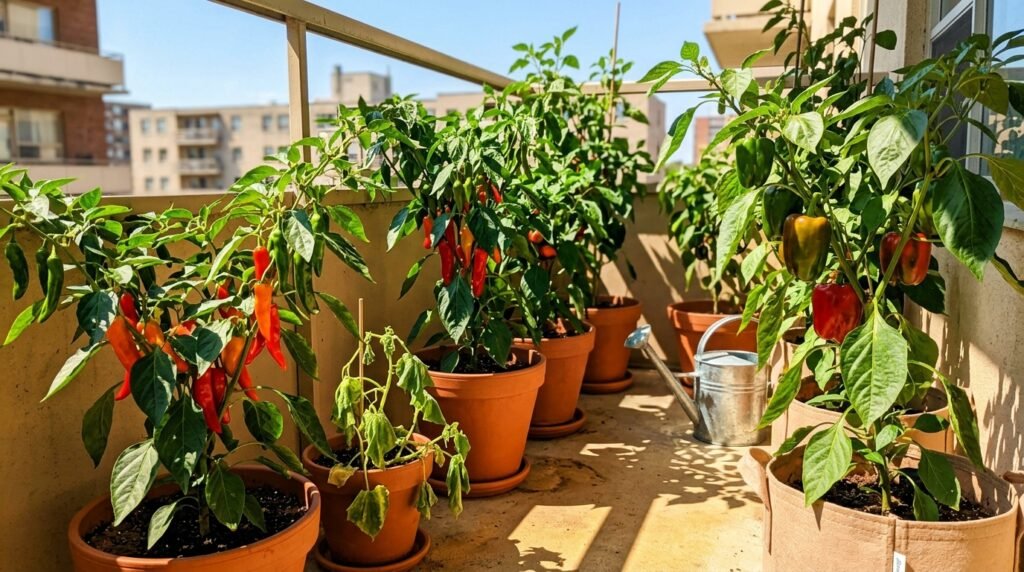
Hot peppers handle neglected watering schedules
Jalapeños and shishito peppers practically thrive on a little bit of physical neglect. Letting the soil dry out slightly actually makes the peppers taste much spicier. This specific trait makes them incredibly forgiving for busy apartment renters who forget to water.
They grow into beautiful, rigid bushes that easily withstand heavy wind gusts on high floors. A single jalapeño plant in a three gallon pot provides enough spice for an entire summer of cooking. You can pick them green for a mild flavor or wait until they turn bright red for maximum heat.
You do not need to stake them or prune them heavily. You just let them bake in the sun and pick the fruit when it looks ready.
Leafy greens are the best container vegetables for shady corners
Not every apartment gets blast furnace sunlight for eight straight hours a day. Many balconies face east or sit under the deep shadow of a neighboring building. You can still grow plenty of food in these cooler, darker spaces.
Leafy greens like spinach, arugula, and loose leaf lettuce absolutely despise intense afternoon heat. Direct summer sun causes them to bolt, produce flowers, and turn incredibly bitter. They much prefer the gentle morning light found in those shady patio corners.
They also feature incredibly shallow root systems that do not require massive plastic tubs. You can grow a highly productive salad garden in recycled plastic food containers. You just need to punch a few drainage holes in the bottom.
The non-obvious trick for continuous salad harvests
Most people harvest their lettuce by ripping the entire plant out of the dirt by the roots. This destroys the plant completely and ends your food supply immediately. Here is a practical trick that triples your salad output from a single small pot.
Use sharp scissors to snip only the outer leaves of the lettuce plant. Leave the tiny center leaves completely intact. The plant will rapidly push those center leaves outward to replace the ones you just ate.
You can easily get four or five separate harvests from a single container using this cut and come again method. You should also plant your delicate greens directly in the shadow of your taller tomato pots. The large tomato leaves will protect the fragile lettuce from the harsh afternoon sun.
Sizing your pots for the best container vegetables
Putting a heavy feeding vegetable into a tiny decorative pot guarantees a terrible harvest. The roots hit the plastic walls quickly and begin circling the container in a panic. The plant literally starves to death because it cannot access enough nutrients or water.
Always check the specific container size requirements printed on the back of your seed packets. Five gallon fabric grow bags offer the absolute best environment for almost every patio crop. The breathable fabric stops the roots from circling and prevents you from drowning the plant accidentally.
Filling those bags with the best soil mix for a raised bed vegetable garden gives your roots the oxygen they need. Good dirt matters just as much as the physical pot size. Cheap dirt will turn into a solid brick over the summer.
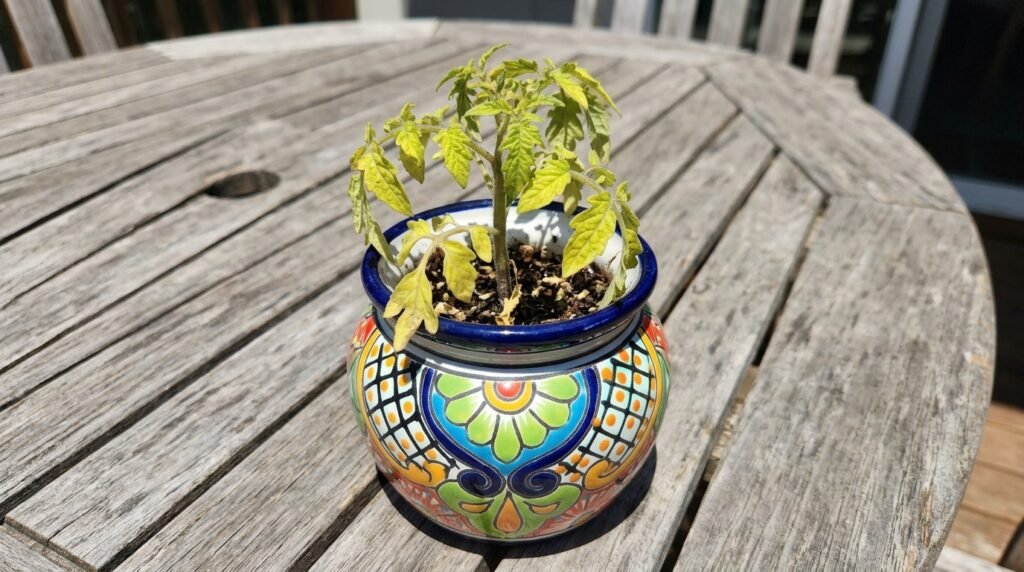
Managing fertilizer in small plastic pots
A closed container relies entirely on you for every single drop of food it receives. Every time you water your patio plants, essential nutrients wash out the bottom drainage holes. The fertilizer mixed into your bagged potting soil usually disappears completely after thirty days.
You must start a regular feeding schedule to keep your plants producing heavy flowers. Buy a simple liquid organic fertilizer designed specifically for edible crops. Feed your plants every two weeks using a heavily diluted mixture to avoid burning the fragile roots.
Regular meals keep the plants strong enough to fight off harsh summer heatwaves and annoying patio pests. A well fed plant simply produces far more food over a much longer period of time. It takes two extra minutes but changes your entire harvest.
Turning a bare concrete slab into a productive farm takes a little bit of planning and restraint. You cannot grow a sprawling patch of giant watermelons on a third floor balcony. You must respect the physical limits of your space and the limits of your plastic pots.
Focusing entirely on the best container vegetables prevents you from wasting money on dead plants. Stick to compact bushes, quick growing roots, and tough peppers for your first few seasons. You will harvest plenty of fresh food if you match the right crop to your specific patio conditions. Stop dreaming about a massive backyard farm and start planting the best container vegetables right now.
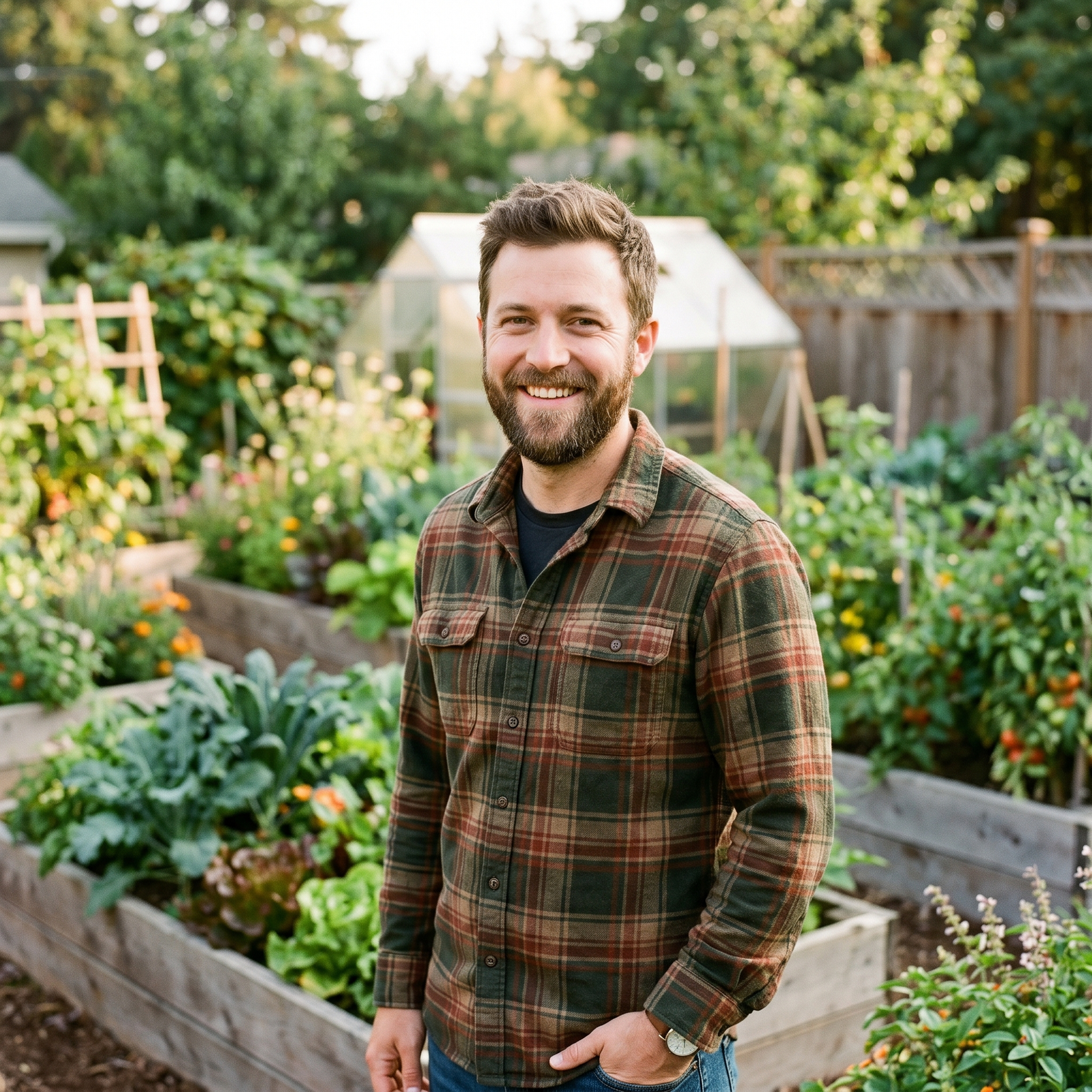
Felipe Macedo is a home gardener and food grower based in Portland, Oregon. After killing his first three tomato plants, he became obsessed with figuring out how to grow real food in small spaces — on balconies, in containers, and in raised beds he built himself. At Chatinovax, he shares everything he learned the hard way so you don’t have to.