
I spent my first gardening season watching my cucumber vines completely take over my small Portland balcony. They crawled right out of their recycled yogurt containers and choked out every other plant on the patio floor. I tried pushing the heavy vines back with my rusty eight dollar trowel but I just broke the fragile stems.
I quickly realized I needed to push these plants straight up into the empty air above. You must learn how to build a trellis for climbing vegetables if you want to maximize a tiny outdoor growing space. Getting your heavy vines off the damp concrete prevents aggressive diseases and frees up massive amounts of valuable floor space.
You do not need professional carpentry skills to construct a reliable vertical support system. A few basic supplies and a simple plan will completely transform your cramped patio into a highly productive green wall.
Why you must build a trellis for climbing vegetables this season
Growing heavy vining crops directly on the ground invites massive pest and disease problems instantly. Slugs and soil bacteria easily attack wet leaves that rest directly on the patio concrete. Lifting the foliage upward allows fresh air to circulate perfectly through the dense green canopy.
This increased airflow prevents aggressive fungal diseases like powdery mildew from destroying your plants during humid weeks. A dry plant resists natural infections significantly better than a plant sitting in a puddle of water. You spend less time fighting sickness and more time actually enjoying your summer.
Making your daily harvest incredibly simple
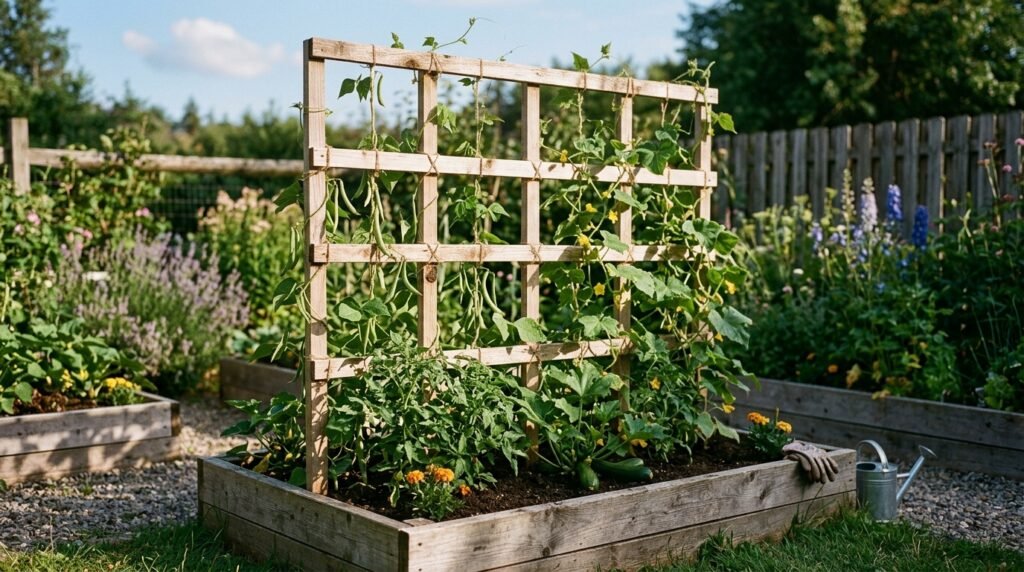
Hunting for ripe green beans inside a tangled mess of floor vines frustrates any beginner gardener. Vertical structures place the ripe food right at your natural eye level. You can spot the ready vegetables instantly and harvest them without bending over and hurting your lower back.
You also avoid accidentally stepping on your own fragile vines when navigating a cramped apartment balcony. A clear walking path makes your daily watering routine incredibly fast and highly efficient.
Choosing materials to build a trellis for climbing vegetables
You do not need to buy expensive premade cedar structures from a high end garden center. You can construct a totally functional and incredibly strong frame using cheap materials from the local hardware store. Bamboo poles, heavy jute twine, and basic plastic zip ties provide absolutely everything you need for the job.
Bamboo naturally resists rotting in wet soil and flexes perfectly under the weight of heavy summer winds. You can often find cheap bundles of six foot bamboo poles at basic home improvement stores. Reviewing how to start a vegetable garden at home with no experience reminds you that keeping initial costs low matters most during your first year.
Avoiding treated lumber entirely
You must completely avoid using cheap chemically treated wood when constructing anything near your organic food supply. The harsh chemical preservatives inside the treated wood will slowly leach directly into your damp potting soil. Those toxic chemicals eventually find their way into the root systems of your vegetables.
Stick to natural untreated wood, raw bamboo, or thick plastic piping for your vertical patio structures. Natural materials keep your small dirt ecosystem perfectly safe and healthy all season long.
The A-frame method to build a trellis for climbing vegetables
An A-frame structure provides incredible physical stability for heavy crops like winter squash or large cucumbers. You lean two separate rectangular panels against each other at the top to create a stable triangle. This wide geometric base resists tipping over completely during brutal afternoon thunderstorms.
You can build these frames to fit perfectly over a standard rectangular wooden planter box. The angled sides give the climbing vines plenty of physical space to hang their heavy fruit downward. The fruit hangs freely inside the middle of the frame for extremely easy picking.
Assembling the main side panels
Lay two tall vertical bamboo poles flat on your patio floor about three feet apart. Tie several horizontal bamboo poles across them using your heavy jute twine or tight plastic zip ties. Space the horizontal bars about one foot apart so the plants have plenty of climbing rungs to grab.
Repeat this exact process to build the second matching side panel for your structure. Stand both completed panels up in the dirt and tie the top corners together tightly with thick rope.
Wall methods to build a trellis for climbing vegetables
Apartment renters often lack the floor space for a wide and bulky A-frame setup. You can attach a simple flat grid directly against your wooden balcony railing or exterior privacy wall. Lean a single flat bamboo panel against the wall and secure the top tightly using basic nylon rope.
You must leave a gap of at least four inches between the bamboo frame and the actual solid wall. This crucial gap allows the climbing plant tendrils to wrap completely around the wooden poles. The space also guarantees proper airflow behind the massive green leaves to stop trapped moisture.
A non-obvious trick for supporting heavy fruit
Many beginners string thin cotton twine between wooden nails to create a cheap climbing net. The heavy weight of mature tomatoes or thick cucumbers will literally snap cotton string in half by late August. You must use nylon masonry line or thick jute twine to support the extreme weight of ripe summer fruit.
This non-obvious trick prevents your entire crop from crashing down onto the concrete exactly when the food ripens. Spending two extra dollars on heavy duty string saves your entire harvest from total physical destruction.
How to build a trellis for climbing vegetables in containers
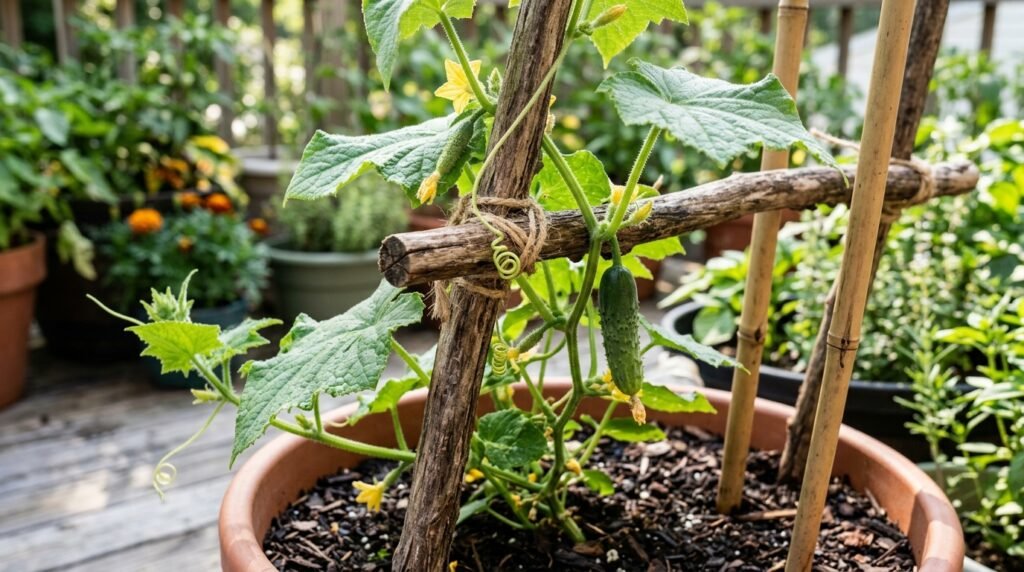
You cannot sink heavy wooden posts deep into the ground when you farm in round plastic buckets. You have to anchor your vertical poles directly into the potting soil without damaging the fragile plant roots. Push three tall bamboo poles deep into the dirt around the extreme outer edge of the plastic pot.
Make sure you push the poles all the way down until they actually touch the bottom plastic of the container. This deep placement gives the tall wooden sticks maximum physical leverage against the heavy summer wind.
Creating the simple teepee structure
Gather the top ends of the three poles together so they meet exactly in the middle above the pot. Tie them together tightly using a heavy piece of twine to create a classic teepee shape. Reading how to grow cucumbers vertically to save space shows how easily heavy vines wrap themselves around this specific circular shape.
You can wrap thick string horizontally around the outside of the teepee to create extra climbing rungs. Start at the bottom dirt line and spiral the string all the way up to the top knot.
Training plants after you build a trellis for climbing vegetables
Plants do not always understand exactly where you want them to grow right away. You have to manually guide the new green shoots toward the bottom rung of your vertical structure. Wait until the main stem reaches about eight inches long before you start tying anything to the wood.
Some plants like peas possess natural gripping tendrils that grab the string completely automatically. Other plants like heavy tomatoes require constant manual tying to stay attached to the vertical poles.
Tying the stems safely without damage
Never use tight wire or thin zip ties to attach the green stems to your bamboo poles. The stiff metal wire will eventually cut directly into the expanding stem and kill the entire plant. The experts at Gardening Know How highly recommend using soft cloth strips or old cut up t-shirts to tie the stems loosely.
Tie the cloth in a loose figure eight pattern between the green stem and the wooden pole. This specific loose knot gives the thick stem plenty of physical room to expand as it grows older.
Adding extra support when you build a trellis for climbing vegetables
Some heavy fruiting crops need extra physical help holding their produce up in the air. Massive heirloom tomatoes or heavy winter squashes will snap right off the vine before they actually ripen. You can create small fabric hammocks to hold the individual fruits securely against the wooden frame.
These supportive slings act like tiny safety nets for your most valuable heavy vegetables. They carry the entire physical weight of the food so the fragile green vine can just focus on delivering nutrients.
Repurposing old materials for slings
Cut up old pantyhose or mesh onion bags to create these highly supportive fruit slings. Tie the ends of the mesh directly to your thick bamboo poles and rest the heavy fruit inside the pouch. This prevents the heavy vegetable from pulling the entire vine down to the concrete floor.
The mesh material stretches perfectly as the vegetable grows larger and allows essential sunlight to pass through. You recycle household trash and protect your food supply simultaneously with this incredibly simple method.
Maintenance after you build a trellis for climbing vegetables
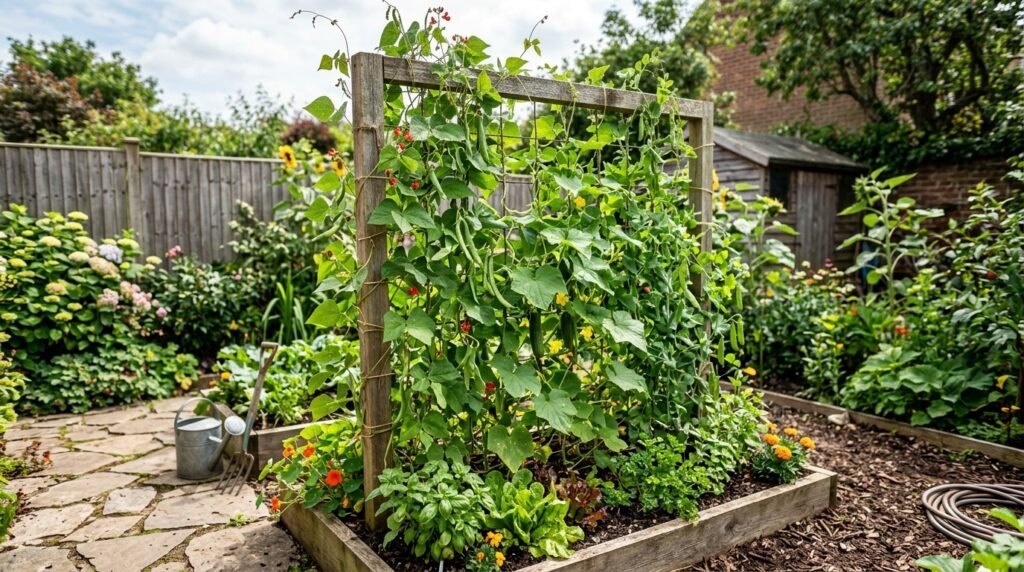
Your wooden structure will stretch and shift as the heavy plants grow larger throughout the hot summer. You must check the tight joints and twine knots every single week to ensure the frame remains totally stable. The Portland rain will slowly rot natural jute twine and weaken the main structural connections.
A collapsed frame destroys months of hard work in a matter of seconds. Walking your balcony and testing the tension of the wooden poles takes exactly two minutes of your time.
Replacing weak ties mid-season
If you spot a frayed or snapping piece of twine, you must replace it immediately before the next wind storm. Add a brand new zip tie directly over the failing knot to secure the bamboo poles together again. Learning how to use raised beds to maximize a small backyard garden requires you to perform this routine maintenance continuously.
When the cold autumn weather finally arrives, you must tear the dead vines down completely. Cut the old strings, wash the bamboo poles, and store them flat in a dry closet for the winter. Proper dry storage guarantees your wooden poles will survive to support another massive crop next spring.
Growing food vertically completely unlocks the hidden potential of a tiny outdoor patio space. You stop fighting tangled messes on the ground and start enjoying a highly organized and productive summer harvest. You just need a few cheap bamboo poles, some thick string, and a little bit of structural planning.
Take an hour this weekend to build a trellis for climbing vegetables and watch your yields explode. Your lower back will absolutely thank you when harvest day finally arrives on the balcony.
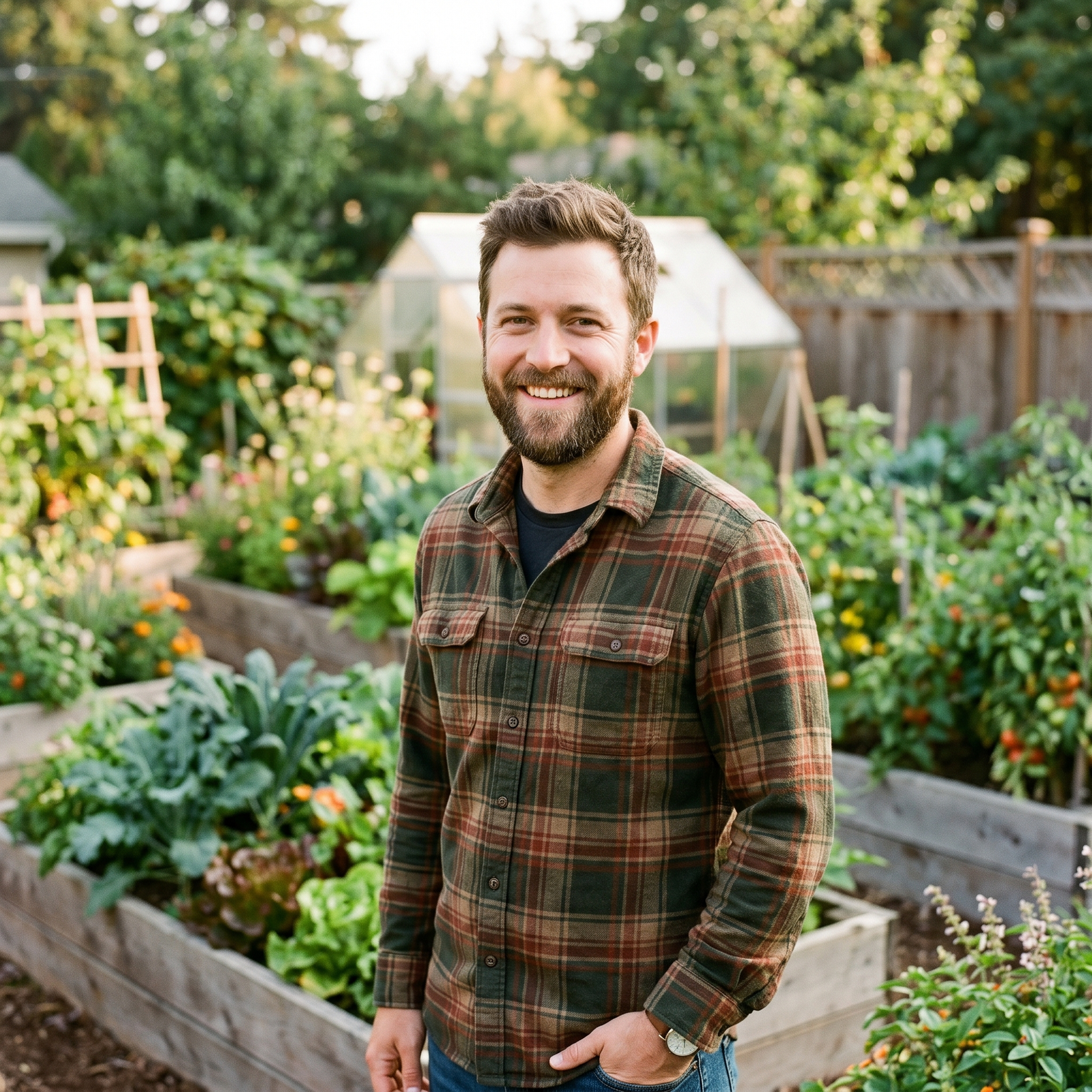
Felipe Macedo is a home gardener and food grower based in Portland, Oregon. After killing his first three tomato plants, he became obsessed with figuring out how to grow real food in small spaces — on balconies, in containers, and in raised beds he built himself. At Chatinovax, he shares everything he learned the hard way so you don’t have to.