
I used to stare at my empty wooden balcony boxes every November feeling totally defeated. The cold Portland rain would arrive and instantly kill off my summer tomatoes. I started my apartment gardening journey with just empty yogurt containers and an eight dollar trowel. I simply accepted that winter meant buying expensive wilted lettuce from the grocery store. Everything changed when I finally learned how to extend your growing season using basic physical barriers. You do not need a massive heated greenhouse to keep harvesting fresh food through the freezing winter. You just need to trap the available solar heat effectively.
Why you should extend your growing season this year
You put massive physical effort into building healthy potting soil all spring and summer long. Letting that rich dirt sit completely empty for six months wastes valuable food production time. When you extend your growing season, you maximize the yield from your tiny apartment footprint. A simple clear cover traps the daytime solar energy and keeps the soil incredibly warm at night.
This trapped heat tricks your plants into thinking autumn never actually arrived. You get to step outside in December and harvest fresh crisp greens for your dinner plate. You save money and avoid the bland taste of commercial winter produce entirely. The cold actually forces the plants to produce extra sugars, which makes the leaves taste significantly sweeter than summer crops.
Choosing the right protection for your space
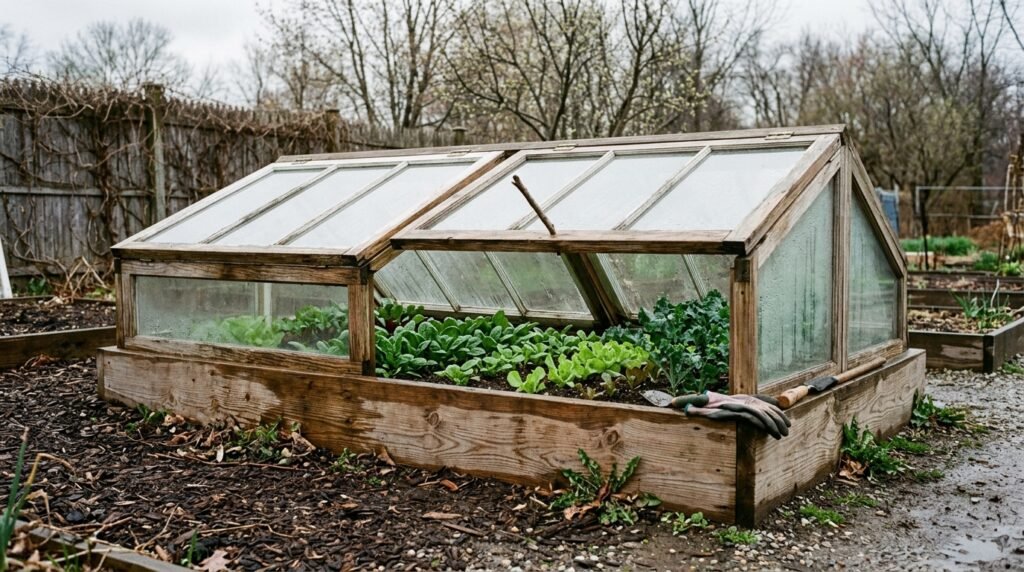
Balcony farmers have two very practical options for trapping heat around their plants. A cold frame acts like a miniature glass greenhouse that sits directly over your wooden planters. A row cover utilizes lightweight white fabric draped over flexible plastic hoops to create a warm protective tunnel.
Both physical methods create a reliable microclimate that blocks the harsh freezing wind completely. You just have to decide which structure fits your specific patio layout best. Reading how to plan a small vegetable garden layout for beginners helps you visualize exactly where these protective covers will sit safely. Hard glass cold frames work well for square wooden boxes, while flexible fabric covers wrap perfectly around round plastic buckets.
Building a cheap cold frame to extend your growing season
You can build a highly functional cold frame for almost zero dollars using recycled materials. I built my very first frame using an old glass shower door I found sitting on the street corner. You just need a transparent top to let the sunlight in and solid sides to block the freezing wind completely.
Many apartment renters construct simple frames using heavy duty clear plastic storage bins flipped upside down. You place the clear bin directly over your vulnerable pots before the sun goes down for the night. The thick plastic shell traps the rising soil heat and keeps the foliage perfectly safe from the morning frost.
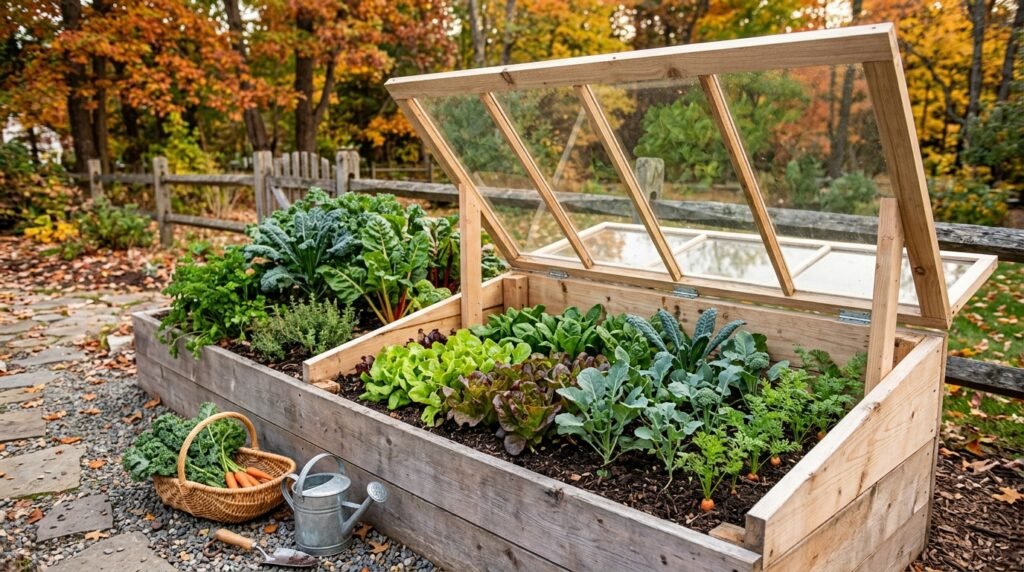
You can also screw four pieces of scrap wood together and lay an old window sash directly on top. This creates a permanent heavy lid that you can open and close on a simple metal hinge.
A non-obvious trick for venting trapped heat
Beginners often kill their winter crops by completely ignoring the intense power of the afternoon sun. A sealed cold frame will heat up to over one hundred degrees on a sunny December afternoon. This intense trapped heat will literally cook your cold weather greens into a soggy mess very quickly.
You must vent your frame to let the excessive heat escape safely into the atmosphere. Grab a small block of scrap wood and wedge it under the glass lid every single morning. This non-obvious trick allows fresh cool air to circulate while still protecting the plants from freezing breezes.
You simply remove the wooden block at sunset to trap the residual heat for the cold night ahead. Managing this daily ventilation prevents your plants from suffocating and prevents aggressive fungal diseases from destroying the leaves.
Using fabric covers to extend your growing season
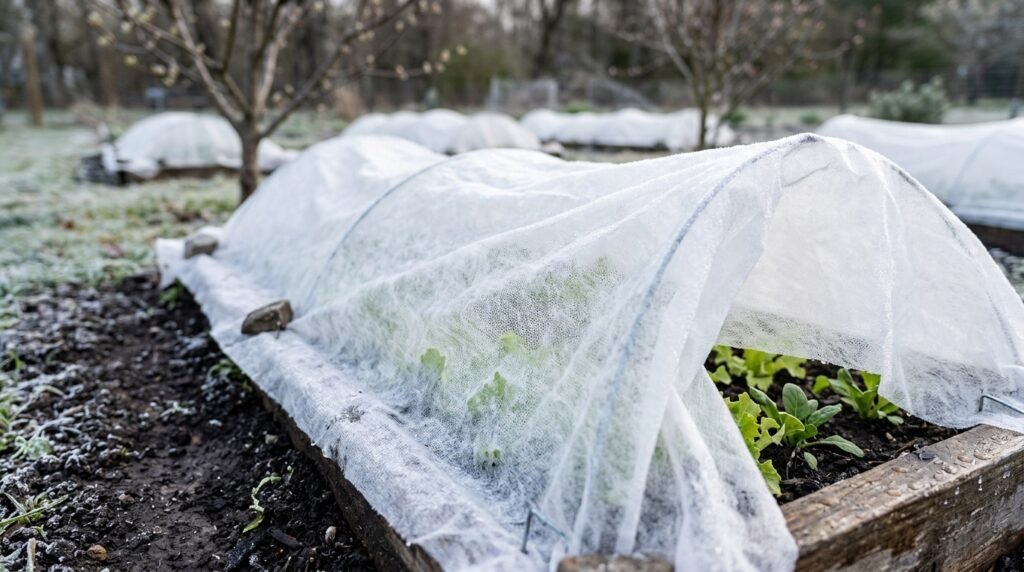
Row covers provide a much more flexible solution for plants growing in awkward round buckets. You buy a roll of agricultural frost blanket from the local hardware store and cut it to size. This specialized white fabric lets sunlight and rain pass through while trapping the warm air underneath the canopy.
You support the fabric using cheap flexible plumbing pipes bent into small half circles over your pots. Push the ends of the plastic pipes directly into the potting soil to anchor them securely. Drape the white fabric over these arches to create a tiny protective tunnel for your winter food.
The fabric acts like a thermal blanket that keeps the soil temperature several degrees warmer than the surrounding air. It prevents ice crystals from forming directly on the fragile plant cells and destroying the cellular walls.
Securing the fabric against heavy winter storms
The brutal winter winds will tear a loose fabric cover right off your balcony in seconds. You must secure the edges of the white blanket firmly to the sides of your plastic buckets. Use heavy duty metal binder clips from the office supply store to clamp the fabric down tightly around the rim.
The gardening experts at The Old Farmer’s Almanac strongly suggest burying the edges of the fabric in dirt if you grow in raised beds. I use heavy red bricks to pin the loose fabric directly to my concrete patio floor. A tight seal prevents the freezing wind from creeping underneath and destroying your fragile green leaves.
Any loose gap in the fabric allows the trapped heat to escape rapidly into the cold night air. You must inspect your clips and bricks weekly to ensure the physical barrier remains completely solid.
Picking the right crops to extend your growing season
You cannot force summer crops like peppers or cucumbers to survive the freezing dark winter months. You must switch entirely to cold hardy vegetables that actually prefer the chilly autumn temperatures. Leafy greens become incredibly sweet when exposed to a light frost under a protective cover.
Spinach, arugula, and heavy mustards thrive in these cool and modified microclimates. Finding out how to grow kale in a raised bed or large container gives you an incredibly tough winter staple. Kale will actually survive being completely frozen solid and bounce back the second the sun comes out.
Root vegetables like carrots and radishes also perform exceptionally well under glass or heavy fabric. The soil protects the edible root while the cover protects the vulnerable green tops from the snow.
Timing your late planting schedule perfectly
You cannot wait until the ground freezes solid to plant your new winter seeds. The seeds need warm soil to germinate and establish strong root systems before the dark days arrive. You must sow your cold hardy crops in late August or early September to guarantee success.
The plants will reach maturity just as the Portland rain becomes a daily constant outside your window. The cold frame simply holds these mature plants in a suspended state of fresh outdoor refrigeration. You harvest the outer leaves slowly all winter long while the center of the plant stays alive.
If you plant the seeds too late in the fall, they simply sit dormant in the cold dirt. The lack of sunlight prevents them from growing large enough to survive the brutal winter temperatures.
Managing moisture to effectively extend your growing season
Plants drink significantly less water during the short days of winter because physical growth slows down completely. The cold air also prevents rapid evaporation from the top layer of your potting soil. You must drastically reduce your watering schedule to prevent terrible fungal root diseases from taking over.
Check the dirt with your bare finger exactly once a week to monitor the hydration levels. If the soil feels even slightly damp, you must put the heavy watering can away immediately. The team at Gardening Know How warns that soggy cold soil rots root vegetables rapidly.
Dry dirt holds heat much better than wet mud during a freezing night. Keeping the soil slightly on the dry side actually improves the overall cold tolerance of your patio crops.
Watering strictly during the morning hours
When you do finally need to add moisture, you must act early in the morning. Pour the water directly onto the dirt and completely avoid splashing the green leaves. Splashing water creates a humid environment inside the closed frame that invites powdery mildew to spread aggressively.
Morning watering gives the excess liquid plenty of time to drain out of the plastic pots. You never want water sitting inside the container when the freezing night temperatures finally arrive. Ice expansion crushes delicate roots and destroys your hard work instantly.
Leave the glass lid completely open for an hour after watering to let excess humidity escape. The dry air protects the foliage and keeps the plant tissue healthy.
Maintaining your winter setup for maximum light
A dirty glass lid blocks the weak winter sun from reaching your hungry green leaves. You must wipe the condensation and dirt off the top of your cold frame every single week. Maximum light penetration keeps the plants healthy and prevents them from turning pale yellow.
Heavy snow presents another major physical danger to your protective patio structures. A thick layer of wet snow will completely crush your plastic hoops and rip your fabric covers. You must brush the heavy snow off the top of your cold frames immediately after a heavy winter storm.
The white snow actually reflects sunlight away from the dirt and drops the internal temperature rapidly. Clearing the covers ensures the solar energy hits the dark soil and warms the roots.
Knowing when to remove the protection entirely
The warm spring sun eventually returns and makes these protective barriers completely unnecessary. You will notice the temperature inside your closed cold frame climbing dangerously high by late March. Leaving the covers on too long forces your winter greens to bolt and turn incredibly bitter.
Start opening the glass lids wider every single day to harden the plants off slowly. Remove the fabric covers completely once the threat of a hard frost passes your local area. Understanding The complete beginner’s guide to growing food at home requires you to adapt to these massive seasonal shifts without hesitation.
Store your glass lids and folded fabric covers inside a dry closet during the hot summer. Proper storage keeps the materials in perfect condition so you can extend your growing season again next year.
You do not have to accept defeat just because the autumn leaves start falling from the trees. You invested good money in potting soil and containers to build your private balcony farm. You should extract every single possible ounce of fresh food from that space before the year ends. Grab some clear plastic bins, bend a few flexible pipes, and cover those raised beds tightly. It takes very little physical effort to extend your growing season and protect your leafy greens from the bitter frost. You will genuinely appreciate the sharp taste of a fresh winter salad when everyone else is eating bland supermarket food.
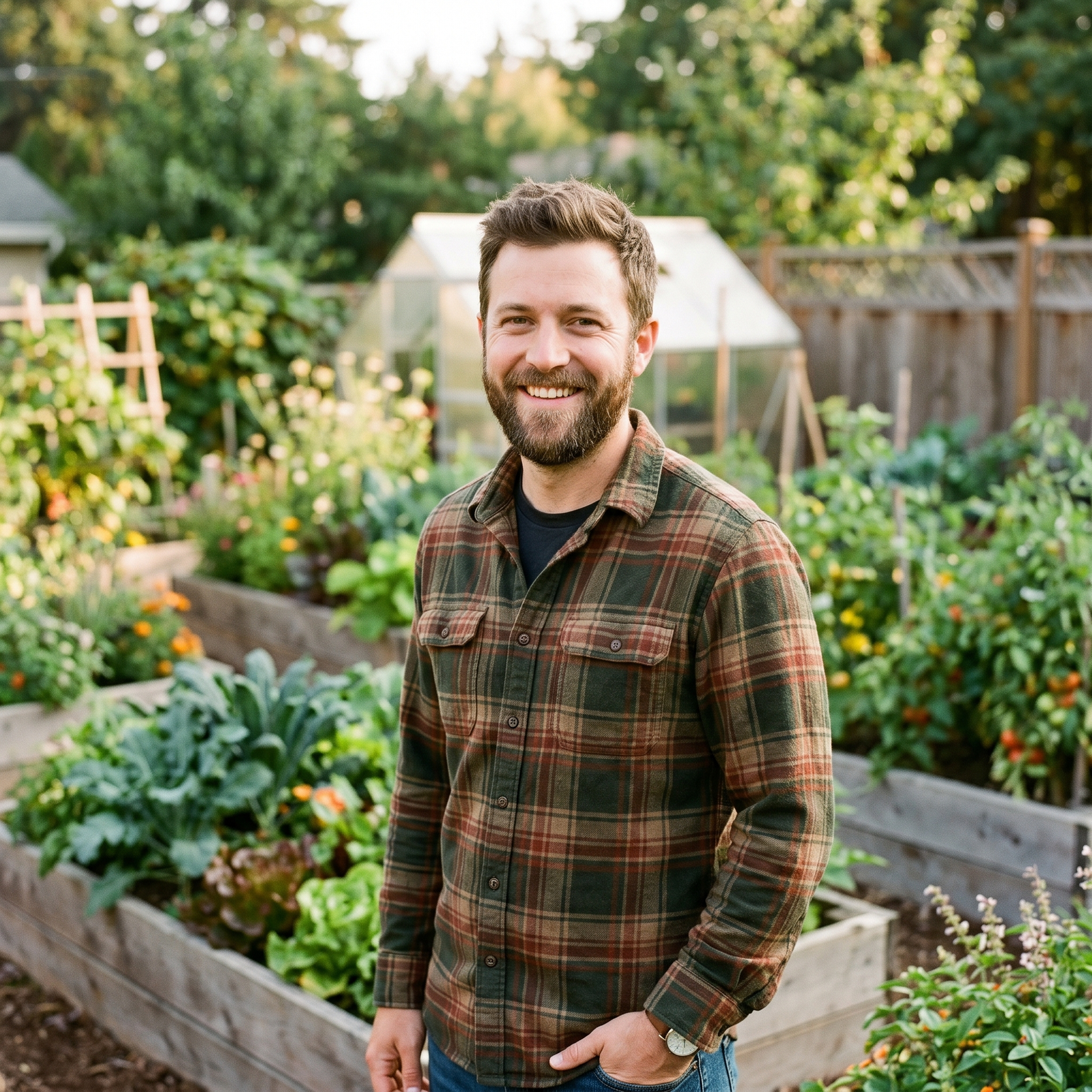
Felipe Macedo is a home gardener and food grower based in Portland, Oregon. After killing his first three tomato plants, he became obsessed with figuring out how to grow real food in small spaces — on balconies, in containers, and in raised beds he built himself. At Chatinovax, he shares everything he learned the hard way so you don’t have to.