
Building a wooden box feels like a massive victory until you stare at the empty dirt. You suddenly realize you have absolutely no idea how to fill the space effectively. Figuring out exactly what to plant in a raised bed paralyzes many new gardeners. You do not need to buy random seed packets and hope for the best.
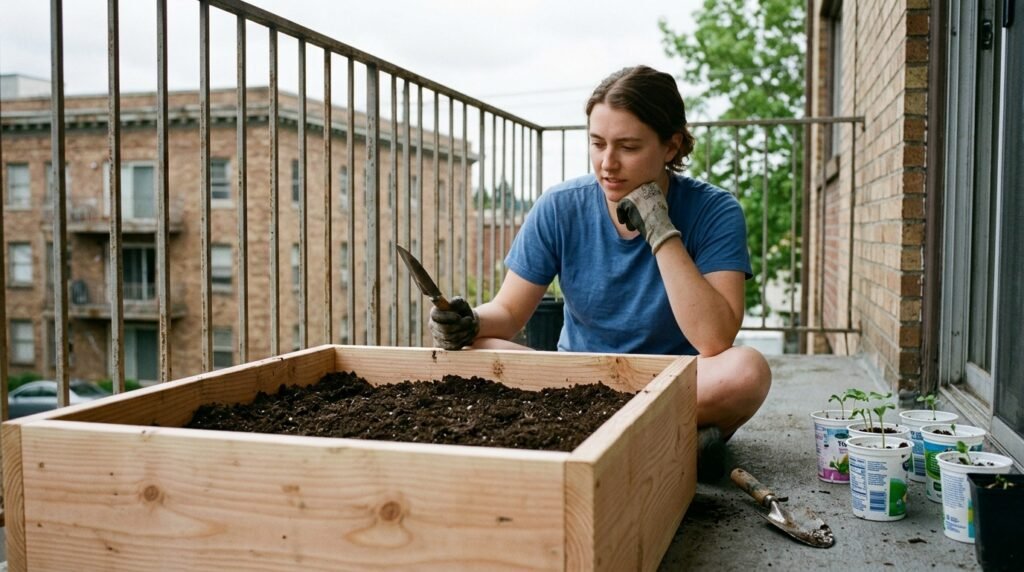
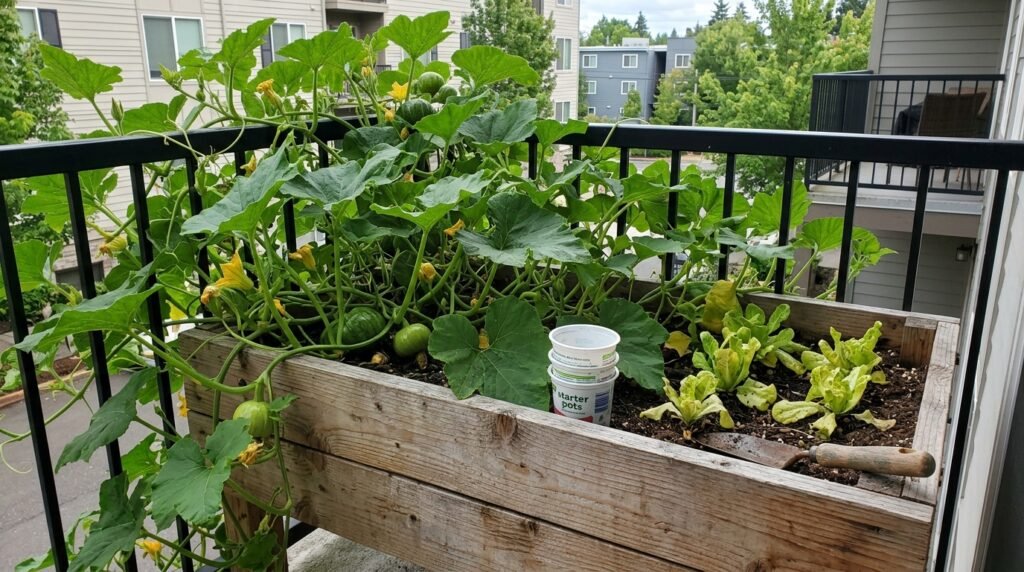
Five years ago, I built my very first wooden box on my rented Portland balcony. I armed myself with recycled yogurt containers and a cheap eight-dollar trowel. I completely messed up the layout because I planted giant sprawling pumpkins right next to delicate lettuce.
Our short Oregon summers mean you have to be strategic with your space. The pumpkins shaded out everything else and completely took over the patio. I learned quickly that picking the right beginner crops saves you months of frustration.
The basic rules for what to plant in a raised bed
Raised beds give you a massive advantage over planting directly in the ground. You control the soil quality and the drainage completely from the first day. This perfect dirt environment means you can pack plants slightly closer together than traditional farm rows.
You still have to respect the mature size of every single plant. Reading the back of the seed packet tells you exactly how much space a crop needs to survive. Crowding too many plants into a wooden frame creates a ruthless competition for water and nutrients.
Understanding how to plan a small vegetable garden layout for beginners prevents this tangled mess. A clear plan stops you from impulse buying fussy crops at the garden center.
Fast-growing radishes build confidence
Waiting months for food tests the patience of any new grower. Radishes solve this problem by jumping out of the dirt almost immediately. You push a seed into the damp soil and harvest a crisp vegetable just thirty days later.
They take up almost zero space in your wooden frame. You can tuck them around the edges of taller crops or fill empty corners easily. Their shallow roots will not compete with your larger summer vegetables.
Bush beans produce massive yields
Beans come in two main types that behave very differently in a patio environment. Pole beans require tall wooden trellises and constant supervision to climb upward. Bush beans stay completely compact and support themselves perfectly in a raised structure.
You push the large seeds directly into warm soil without any special preparation. They germinate quickly and produce massive amounts of food in a tight space. According to the planting experts at The Old Farmer’s Almanac, bush beans produce their entire crop in just a few short weeks.
Choosing summer crops when deciding what to plant in a raised bed
Summer heat demands specific crops that actually enjoy the intense afternoon sun. Your wooden frame heats up much faster than cold ground dirt. This warm soil provides the perfect environment for heavy-feeding fruiting plants.
You must match the plants to the actual amount of light your patio receives. Track the shadows across your balcony on a Saturday to see the real light exposure. Fruiting crops require at least six hours of direct sun to produce a meaningful harvest.
Determinate tomatoes stay compact
Large heirloom tomatoes act like wild vines that want to grow ten feet tall. They require massive steel cages and constant daily pruning. You should look for determinate patio varieties instead.
Determinate tomatoes grow to a specific height and stop automatically. They produce their entire heavy crop over a few short weeks. These manageable bushes fit perfectly into the corner of a wooden planting box.
Bush zucchini fits in tight spaces
Zucchini plants hold a nasty reputation for taking over entire backyards. Traditional vining types will easily spill over the edges of your wooden frame and crush your other crops. You must specifically seek out compact bush varieties.
A single healthy bush zucchini plant will easily feed a family of four. You position it in the corner of your box so the large green leaves hang over the outer edge. This specific placement saves your precious interior dirt for other smaller crops.
Maximizing space and knowing what to plant in a raised bed
A deep wooden box allows you to grow layers of food simultaneously. You do not have to leave massive gaps of bare dirt between your plants. Utilizing the vertical space and the shady areas increases your overall food output dramatically.
Selecting what to plant in a raised bed means looking for crops that complement each other. Mixing different heights and root depths keeps the soil healthy all summer long.
A non-obvious shade trick for leafy greens
Lettuce and spinach hate the intense heat of late July. They usually bolt and turn incredibly bitter when the sun beats down on them. Here is a practical trick most people completely ignore.
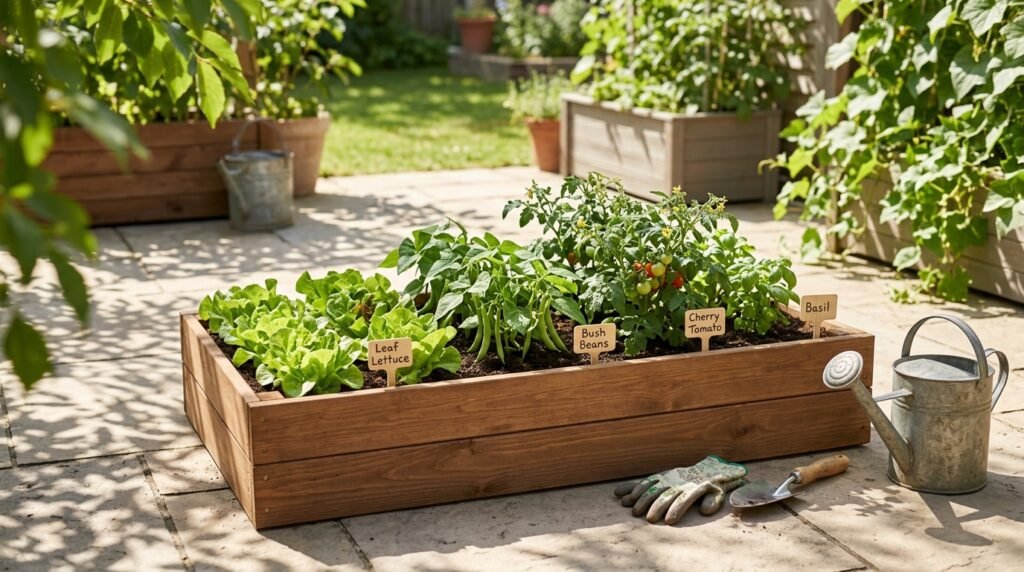
Plant your delicate greens directly underneath your tall tomato or pepper plants. The large top leaves cast a shadow that keeps the soil cool and protects the fragile greens. This simple strategy allows you to harvest sweet lettuce in the middle of summer.
Growing cucumbers vertically
Cucumbers naturally want to crawl across the dirt and take up massive square footage. You can train them to climb upward instead of sprawling outward. Pushing a cheap metal trellis into the back of your box solves the space problem immediately.
The vines grab the metal wire and grow straight up toward the sun. This keeps the developing fruit off the wet dirt and prevents serious fungal rotting. Checking out how to build a simple trellis for climbing vegetables shows you how to execute this perfectly.
Root crops solve the puzzle of what to plant in a raised bed
Growing food underground frustrates people who plant directly in hard backyard clay. Root crops need loose, fluffy dirt to expand properly without hitting rocks. Your elevated wooden box provides the absolute perfect environment for these hidden gems.
Deep carrots require pristine soil
Carrots grown in rocky ground often fork into weird, unusable shapes. They hit a small stone and split in two different directions. The premium bagged soil in your patio box eliminates this physical barrier completely.
You just scatter the tiny seeds across the damp surface and lightly press them in. The best soil mix for a raised bed vegetable garden keeps the dirt light enough for the orange roots to plunge straight down.
Green onions fit absolutely anywhere
You will always have a few weird, narrow gaps between your larger plants. Leaving those spots empty invites weed seeds to blow in and take root. Green onions serve as the perfect filler crop for these tiny spaces.
They have incredibly shallow root systems that do not compete with your heavy feeders. You can wedge them between your tomatoes or line the entire front edge of your box with them. They grow quickly and you can snip the green tops continually for cooking.
Pest management when choosing what to plant in a raised bed
Bugs will eventually find your patio garden no matter what you do. Planting a massive block of a single crop acts like a neon sign for local pests. You want to mix different plants together to confuse the insects naturally.
Marigolds protect your vegetables
Flowers belong in your food garden just as much as vegetables do. Marigolds emit a strong odor that naturally repels many common destructive insects. They act as a biological shield for your fragile young seedlings.
You just tuck a few cheap marigold plants into the corners of your wooden box. The bright orange flowers also attract beneficial pollinators to your patio. According to the guides at Gardening Know How, planting marigolds near tomatoes significantly reduces root nematode damage.
Basil repels annoying patio flies
Basil smells amazing to humans but completely disgusts many flying pests. Planting basil next to your tomatoes creates a classic companion pairing. They share the exact same watering needs and protect each other as they grow.
You get to harvest fresh herbs for your kitchen while naturally protecting your heavier crops. Mixing herbs into your vegetable layout maximizes the utility of every single inch of dirt.
Final thoughts on what to plant in a raised bed this season
Planning your layout on a piece of scrap paper prevents major headaches later. Draw a simple rectangle and assign specific spots to your chosen crops. This forces you to respect the physical spacing requirements before you buy a single seed.
Keep your first season incredibly simple
Do not try to grow twenty different crops in your very first wooden box. You will quickly become overwhelmed trying to manage all the different watering and feeding schedules. Limit yourself to four or five reliable beginner crops.
Mastering a few basic vegetables builds the foundational skills you need for future success. You learn how the sunlight moves across your patio and how fast the dirt dries out.
Document your daily progress
Every dead plant or massive harvest provides valuable data for next year. Keep a simple notebook near your patio door to track your progress. Write down which varieties thrived in your wooden box and which ones struggled.
This personal record eventually becomes your most valuable gardening tool. You stop guessing and start relying on hard evidence from your specific microclimate. Taking weekly photos also helps you visualize the actual growth rate of your plants over time.
Knowing exactly what to plant in a raised bed takes the stress out of spring gardening. You do not need a degree in agriculture to pull real food out of a wooden box. Stick to reliable, compact crops that forgive your early watering mistakes. Once you figure out what to plant in a raised bed, you will look at your empty patio as a massive opportunity. Grab a cheap hand trowel, buy some healthy starter plants, and fill that wooden frame this weekend. The perfect time to start deciding what to plant in a raised bed is right now.
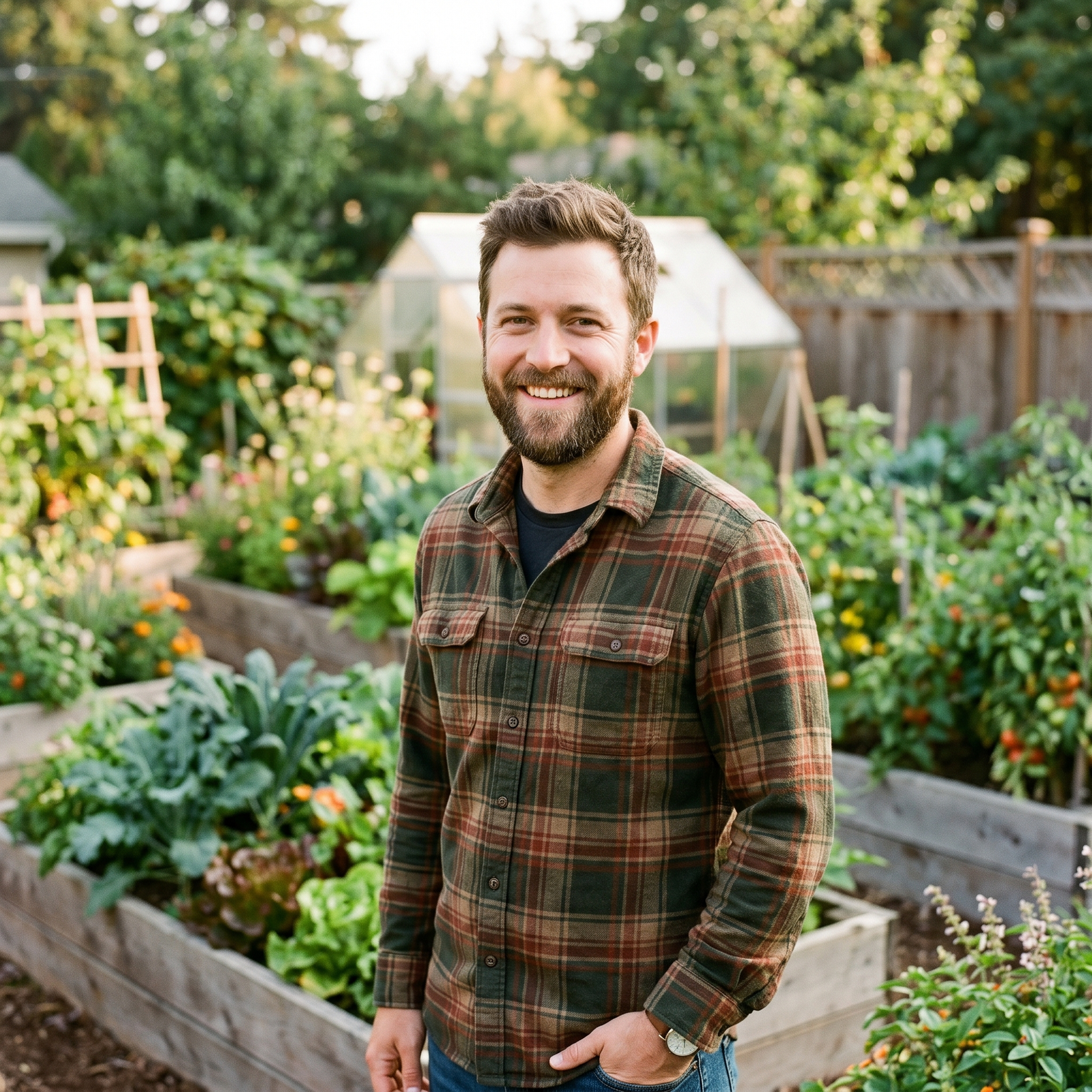
Felipe Macedo is a home gardener and food grower based in Portland, Oregon. After killing his first three tomato plants, he became obsessed with figuring out how to grow real food in small spaces — on balconies, in containers, and in raised beds he built himself. At Chatinovax, he shares everything he learned the hard way so you don’t have to.